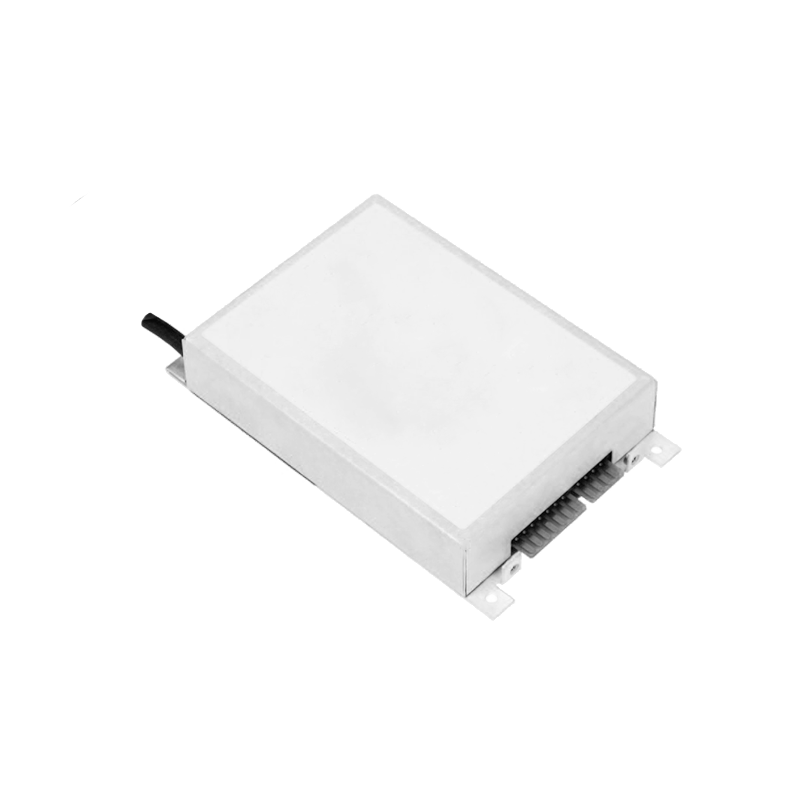
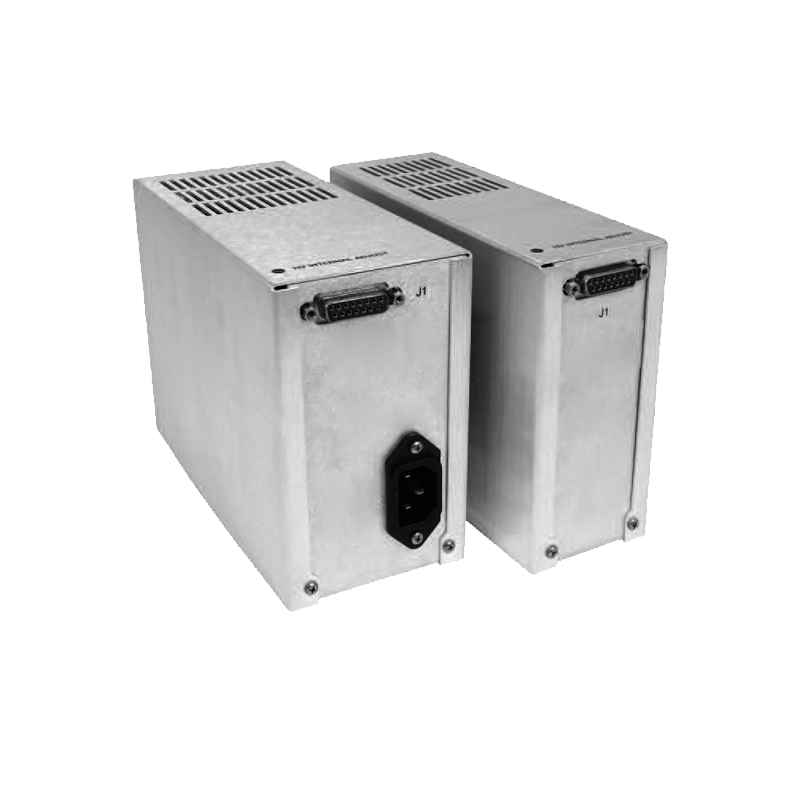
Plastic Sorting Power Supply Spectral Identification Power Supply
The industrial separation of polymers represents a critical process in modern recycling and material recovery operations. Achieving high purity in sorted plastic streams is paramount for the economic viability of recycling and the quality of recycled materials. Traditional methods, such as flotation or air classification, often fall short when dealing with complex, mixed plastic waste with similar densities. This is where spectroscopic identification techniques, particularly near-infrared (NIR) and mid-infrared (MIR) sensing, have become indispensable. However, the performance and reliability of these sophisticated optical systems are fundamentally dependent on a component often overlooked: the high-voltage power supply for the detector.
Advanced spectroscopic sorters operate by illuminating rapidly moving plastic fragments on a conveyor belt with a broadband light source. The reflected or transmitted light is captured by highly sensitive detectors, frequently employing Indium Gallium Arsenide (InGaAs) arrays for NIR or Mercury Cadmium Telluride (MCT) detectors for MIR. These detectors, especially MCT types which require cryogenic cooling, incorporate photoconductive or photovoltaic elements that necessitate extremely stable, low-noise, high-voltage bias for optimal operation. The applied bias voltage directly influences the detector's responsivity, quantum efficiency, and signal-to-noise ratio (SNR). Any ripple, drift, or noise on this bias line translates directly into noise in the acquired spectrum, degrading the system's ability to make accurate material identifications.
The application demands of this environment are severe. Sorting facilities are electrically noisy, with large motors, compressors, and actuators generating significant electromagnetic interference (EMI). The power supply must be exceptionally well-shielded and designed with superior common-mode and differential-mode noise rejection to prevent this ambient noise from coupling into the sensitive detector circuitry. Furthermore, sorting lines run continuously for extended periods, requiring the power supply to demonstrate unwavering long-term stability. A drift of even a few millivolts over an eight-hour shift can subtly alter the calibration of the spectroscopic system, leading to misidentification—for instance, confusing polyethylene terephthalate (PET) for polyethylene (PE), which contaminates the output stream.
Another critical requirement is programmable voltage control and monitoring. Different detector modules or different operational modes (e.g., switching between different plastic types) may require precise adjustment of the bias voltage. A high-voltage power supply with digital interfaces, such as RS-485, Ethernet, or isolated analog programming, allows the central sorting controller to dynamically adjust parameters. Real-time monitoring of output voltage and current is equally vital for predictive maintenance. A gradual increase in supply current might indicate the onset of detector degradation or contamination, allowing for scheduled maintenance before a catastrophic failure halts the production line.
The physical design must also contend with industrial realities. Many sorting systems are compact, with the spectroscopy unit located directly above the fast-moving material stream. Consequently, the associated power supply must have a high power density, operating reliably in potentially cramped enclosures with limited airflow. It must also be designed to withstand vibration from the machinery and a degree of particulate contamination, without compromising safety through robust insulation and creepage/clearance distances compliant with international standards. In essence, the high-voltage power supply is the silent guardian of data integrity in plastic sorting. Its precision and reliability underpin the spectral fidelity that allows advanced algorithms to correctly identify a black plastic food tray as polystyrene or a colored bottle as polypropylene, enabling the high-volume, high-purity recovery of valuable polymer resources.