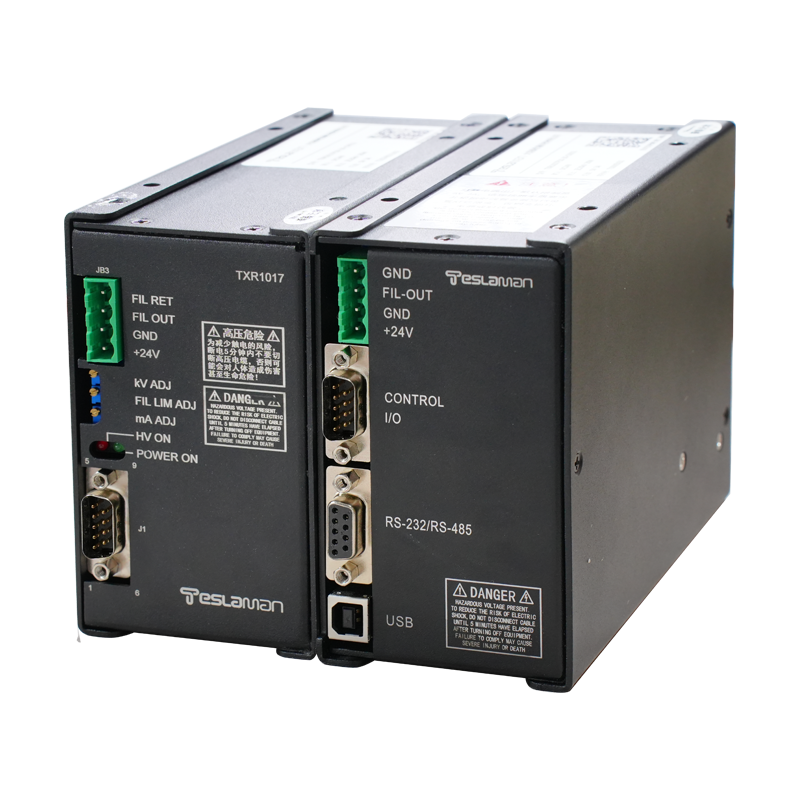
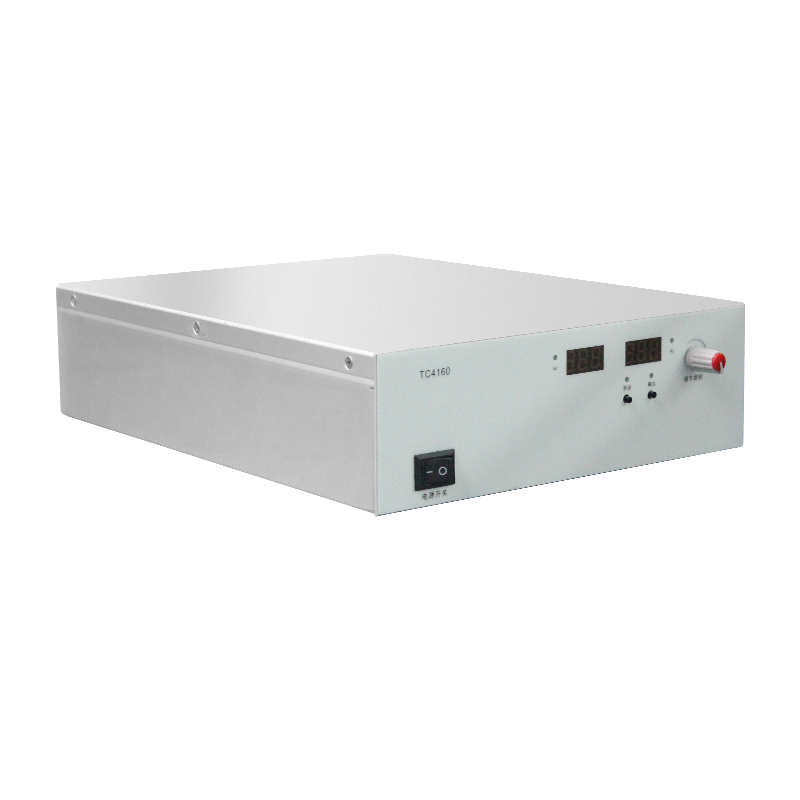
225kV High-Voltage Power Supply Fault Simulation and Training System
The operation and maintenance of high-voltage power supplies operating at the 225kV level present significant technical and safety challenges. These systems are critical to applications such as electrostatic precipitators, industrial X-ray sources, and insulation testing apparatus. A reactive approach to faults, relying solely on troubleshooting after a failure occurs, is unacceptable due to the risks of equipment damage, prolonged downtime, and potential safety incidents. Therefore, a dedicated fault simulation and training system is an indispensable tool for developing proficient maintenance personnel and validating system robustness. Such a system is not merely a replica of the power supply but a comprehensive, software-driven platform designed to inject realistic fault conditions in a controlled, safe, and repeatable manner.
At its core, the system integrates a functional high-voltage power supply, often derated or equipped with current-limiting features for safety, with a programmable fault insertion network. This network consists of relays, contactors, and programmable load banks that can be commanded to simulate a wide array of failure modes. The simulation targets all major subsystems: the input stage, the high-voltage conversion and multiplier stages, the control and regulation circuitry, and the output monitoring and protection loops. For instance, the system can simulate a single-phase loss on the three-phase input, creating an imbalance that stresses the rectification stage and leads to increased ripple. It can insert a high-resistance connection, mimicking a corroded busbar or loose terminal, which would cause localized heating and voltage drop. Within the high-voltage multiplier or transformer, the simulation can create partial discharge events by introducing a small, programmable corona point or by switching in a capacitor with a known void, allowing trainees to recognize the characteristic acoustic and radio-frequency interference signatures.
More complex simulations involve the control system. The training platform can intercept sensor feedback signals—such as those from output voltage dividers or current monitors—and inject calibrated offsets or noise. This simulates a failing voltage reference, a drifting feedback resistor, or a corrupted analog-to-digital converter. The trainee must then diagnose whether the erratic output is due to a genuine power stage fault or a misleading sensor signal, a critical distinction in real-world troubleshooting. The system can also simulate protection circuit failures, such as a stuck relay in a crowbar circuit or a blown fuse in a metering loop, testing the technician's understanding of redundancy and fail-safe paths.
The software interface is the central nervous system of the trainer. It provides a realistic human-machine interface identical to the operational unit, but with a hidden instructor mode. From this mode, the instructor can select from a library of pre-defined fault scenarios or craft custom sequences. The system logs all trainee actions: measurements taken, adjustments made, and diagnostic conclusions drawn. This allows for structured debriefing and competency assessment. Advanced systems incorporate virtual reality or augmented reality overlays, allowing trainees to see internal components, field lines, or current flow animations that would be invisible in a physical unit, deepening their conceptual understanding.
The value of such a system extends beyond initial training. It serves as a testbed for validating new firmware for the power supply's controller, exposing it to fault conditions too dangerous to test on operational equipment. It allows for the rehearsal of emergency shutdown procedures and the verification of interlocks and safety system responses. For engineers, it facilitates failure mode and effects analysis by providing empirical data on how cascading failures propagate. Ultimately, a 225kV fault simulation and training system transforms high-voltage safety and maintenance from an art based on experience into a science based on structured practice. It ensures that personnel are not just familiar with procedures, but are prepared for the unexpected, thereby enhancing operational reliability, protecting capital investment, and most importantly, safeguarding human life.