High-Voltage Arc Initiation Optimization for Cathodic Arc Deposition
Cathodic arc deposition is a physical vapor deposition technique prized for producing highly ionized plasmas, which result in dense coatings with excellent adhesion. The process relies on the generation of vacuum arcs on the surface of a cathodic target. These arcs are initiated by a momentary, high-current discharge that creates a minute molten spot, from which a plasma jet of highly ionized target material is emitted. The reliability, location, and characteristics of this arc initiation are critical to the stability and quality of the deposition process, and they are governed by the design and control of the high-voltage triggering system.
A cathodic arc source consists of a target (the cathode) in a vacuum chamber, electrically isolated from the chamber walls (the anode). To initiate an arc, a conductive path must be briefly created between the cathode and a nearby trigger electrode. This is most commonly achieved with a high-voltage, high-current trigger pulse. The trigger electrode, often a thin wire or a graphite rod, is positioned close to the cathode surface but electrically insulated from it. A high-voltage pulse, typically 5-20 kV, is applied between the trigger and the cathode. This pulse breaks down the intervening vacuum gap, creating a flashover across the insulating surface. This flashover produces a dense plasma that immediately bridges the main gap between the cathode and the anode, allowing the main arc power supply to strike and sustain a vacuum arc.
The optimization of this trigger pulse is multifaceted. The pulse must have sufficient voltage to reliably break down the gap under all conditions, including when the cathode surface is cold and clean, or when it is coated with a thin, possibly insulating, layer from previous depositions. However, excessive voltage can cause the arc to strike at an unintended location or can erode the trigger electrode too quickly. The pulse must also have sufficient energy and duration to create a plasma dense enough to reliably initiate the main arc. A weak trigger pulse may cause a misfire, resulting in a process interruption and a non-deposition event.
The shape and timing of the trigger pulse are also optimized. A fast-rising pulse is more effective at initiating breakdown, as it creates a higher electric field stress. Some systems use a series of pulses or a high-frequency burst to increase reliability. The trigger pulse is typically synchronized with the main arc power supply. The main supply is often a low-voltage (20-40V), high-current (hundreds to thousands of amperes) DC source. After the trigger pulse fires, the main supply must take over and sustain the arc. If the transition from the trigger pulse to the main supply is not seamless, the arc may extinguish.
Beyond simple triggering, the high-voltage system can be used to control the arc's motion. Once initiated, the cathode spot (the location of the arc) is subject to a complex interplay of magnetic and electric fields. By applying a magnetic field parallel to the cathode surface, the arc can be steered to move across the target, ensuring uniform erosion. However, the initiation point is often random. To improve process repeatability, some advanced sources use a high-voltage trigger to initiate the arc at a precise, pre-determined location. This is achieved by designing the trigger electrode and the cathode geometry to create a local field enhancement at the desired ignition point. The trigger pulse is then shaped to ensure breakdown occurs at this point.
Furthermore, the trigger pulse parameters can be adjusted to influence the initial characteristics of the arc. A very high-energy trigger pulse can create a larger initial cathode spot, which may affect the size and charge state of the droplets (macroparticles) that are inevitably emitted from the arc. This allows for some degree of control over the macroparticle population, a major concern in cathodic arc deposition.
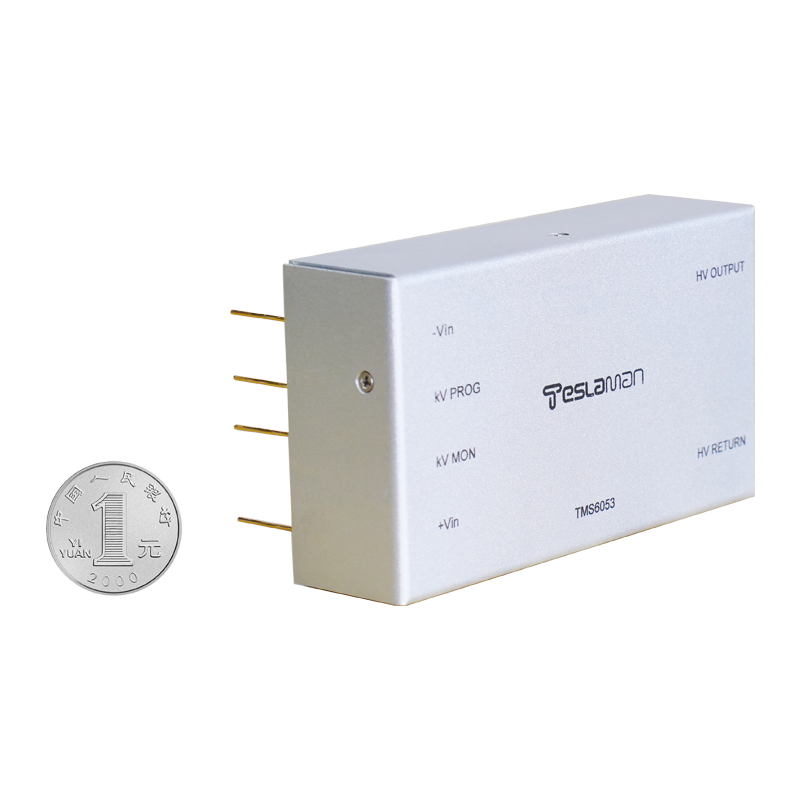
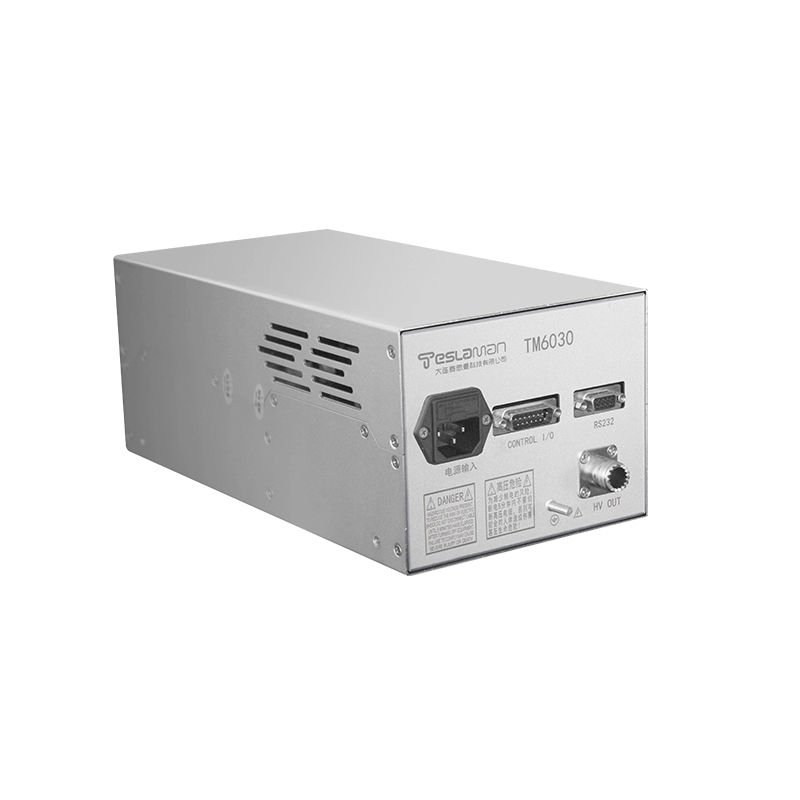
The high-voltage trigger supply is therefore a critical subsystem, requiring robust design to withstand repeated short circuits and high peak currents. It must operate reliably for millions of pulses. Its integration with the main arc supply and the magnetic steering system, all under the command of a central process controller, enables the stable, predictable, and efficient operation of the cathodic arc source. This optimization of arc initiation is fundamental to producing high-quality, defect-minimized coatings for demanding applications in cutting tools, wear parts, and decorative finishes.