High-Voltage Strategy for Porosity Suppression in Deep Penetration Electron Beam Welding
Electron beam welding is a high-energy-density process capable of producing deep, narrow welds with minimal heat-affected zones. This makes it indispensable for joining thick sections in aerospace, power generation, and heavy equipment. However, a persistent challenge in deep penetration welding, particularly of materials prone to outgassing or with volatile alloying elements, is the formation of porosity. These gas-filled voids weaken the weld and can lead to failure. A sophisticated strategy involving dynamic control of the electron beam's high-voltage parameters is a powerful tool for suppressing this porosity.
Porosity in electron beam welds arises from several mechanisms. One common source is the collapse of the keyhole, the vapor-filled cavity formed by the intense beam. If the keyhole becomes unstable and closes momentarily, it can trap vapor that then condenses into a pore. Another source is the evolution of dissolved gases from the molten pool, such as hydrogen in aluminum or titanium alloys, which can form bubbles if the solidification front advances faster than the bubbles can escape. A third source is the vaporization of volatile elements like magnesium or zinc, which can also create gas bubbles.
The high-voltage strategy for porosity suppression addresses these mechanisms by modulating the beam's energy deposition profile. The accelerating voltage, V, determines the electron penetration depth. A higher voltage beam penetrates deeper, creating a longer, narrower keyhole. A lower voltage beam deposits its energy more superficially. By varying the voltage during the weld, the keyhole shape and stability can be actively managed.
One effective technique is beam oscillation or weaving, but with a high-voltage modulation component. As the beam is magnetically deflected in a circular or figure-eight pattern along the weld joint, the accelerating voltage is simultaneously modulated. At the leading edge of the oscillation cycle, a higher voltage might be used to ensure deep penetration and keyhole formation. As the beam moves to the trailing edge, the voltage is reduced, effectively widening the top of the weld pool. This gentle stirring action promotes the escape of gas bubbles to the surface before they are trapped by solidification.
Another technique is power pulsing at high frequency, but with independent control of voltage and current. Instead of simply pulsing the beam current, the voltage is also pulsed. A high-voltage, low-current pulse might be used for deep penetration, followed by a lower-voltage, higher-current pulse for pool stirring and maintaining an open keyhole. The ratio of these parameters can be optimized for specific materials. For aluminum alloys, which are highly susceptible to hydrogen porosity, a strategy that emphasizes a wide, well-stirred pool (lower voltage, higher current) might be more effective, while for deep steel sections, a high-voltage dominant strategy for maintaining keyhole stability might be preferred.
Furthermore, the weld start and stop are critical zones for porosity. Rapid beam shut-off can cause keyhole collapse and pore formation at the crater. A controlled ramp-down of both voltage and current, often called a decay or crater fill sequence, is used. The voltage is gradually reduced while the beam is defocused or oscillated, gently filling the keyhole and allowing gases to escape from the shrinking molten pool.
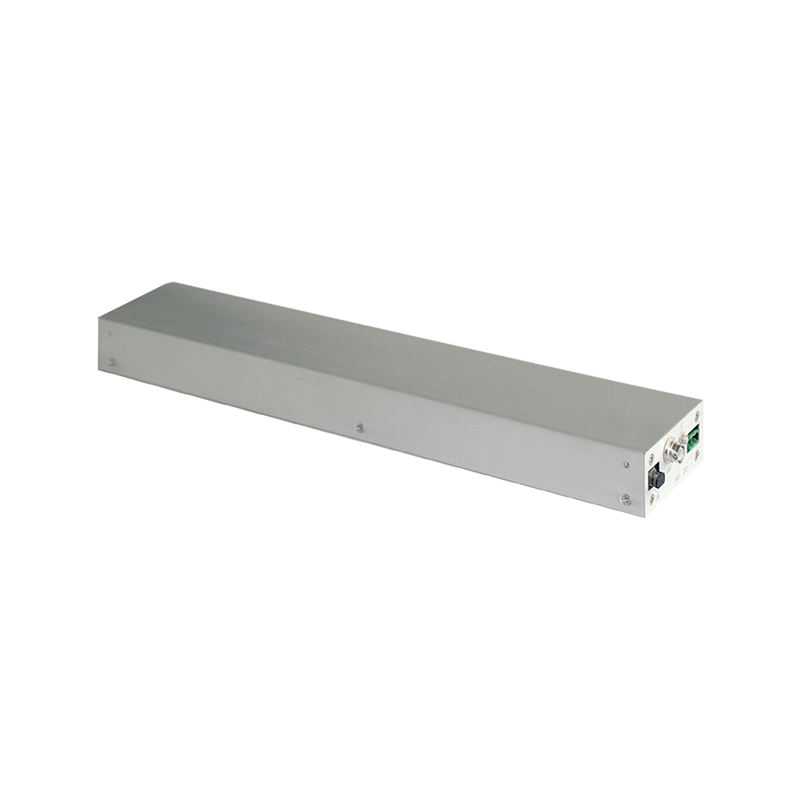
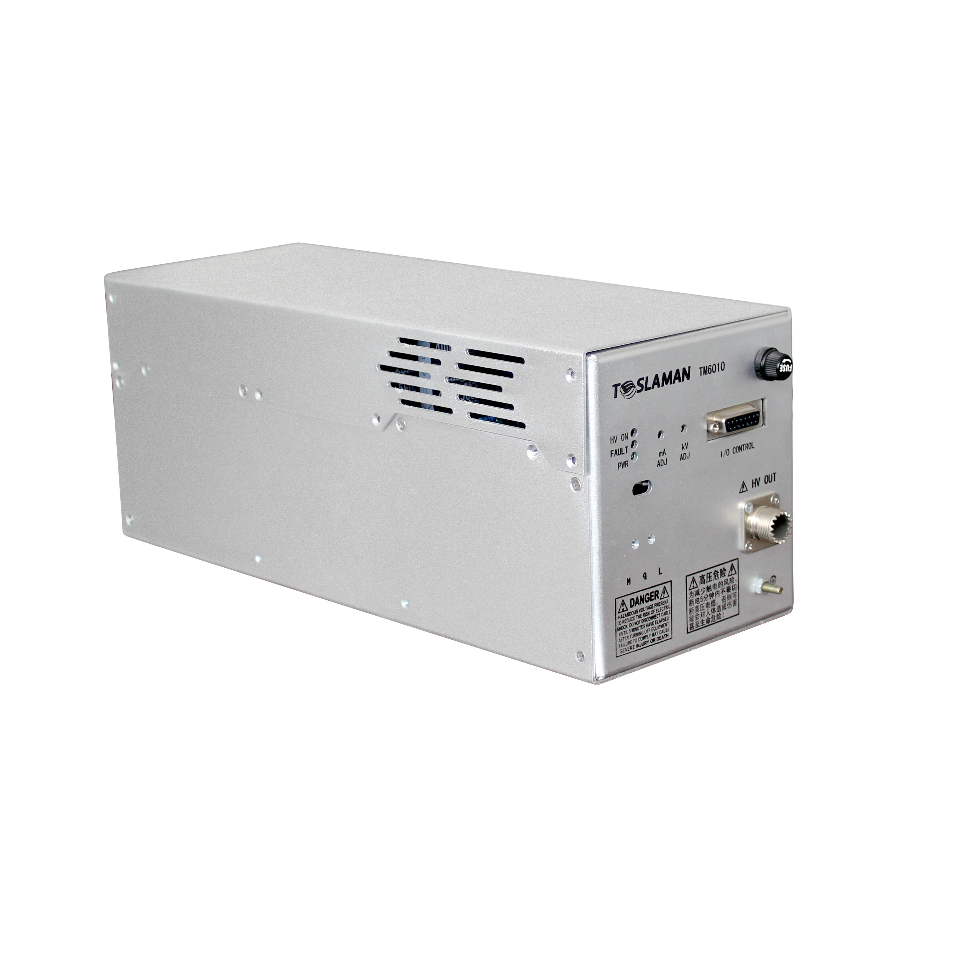
The successful implementation of these strategies requires a high-voltage power supply with exceptional dynamic response. It must be able to change voltage and current on millisecond timescales in response to commands from the beam control system. The supply must be free of ripple and noise, as any instability during the weld can itself trigger keyhole instabilities. The entire system, including the beam deflection and focus coils, must be synchronized with the high-voltage modulation to ensure a coherent and predictable beam-material interaction.
By treating the high-voltage supply as a dynamic actuator rather than a static source, electron beam welding can be elevated to a new level of process control. This high-voltage strategy directly attacks the root causes of porosity, enabling the production of sound, dense welds in materials that were previously considered difficult or impossible to weld with high energy density processes. It expands the application envelope of electron beam welding, making it an even more reliable and versatile tool for critical manufacturing.