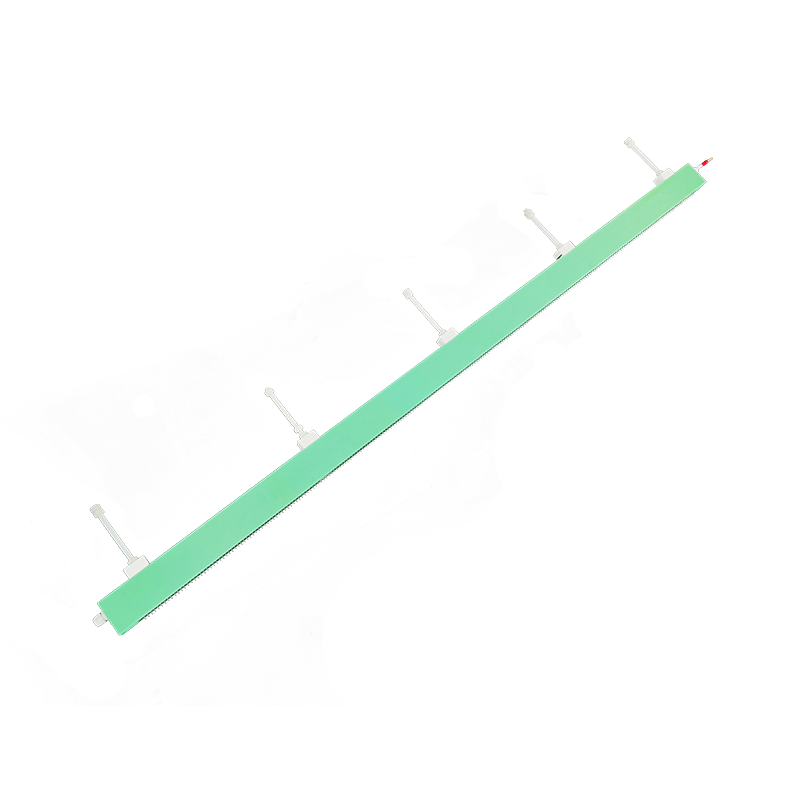
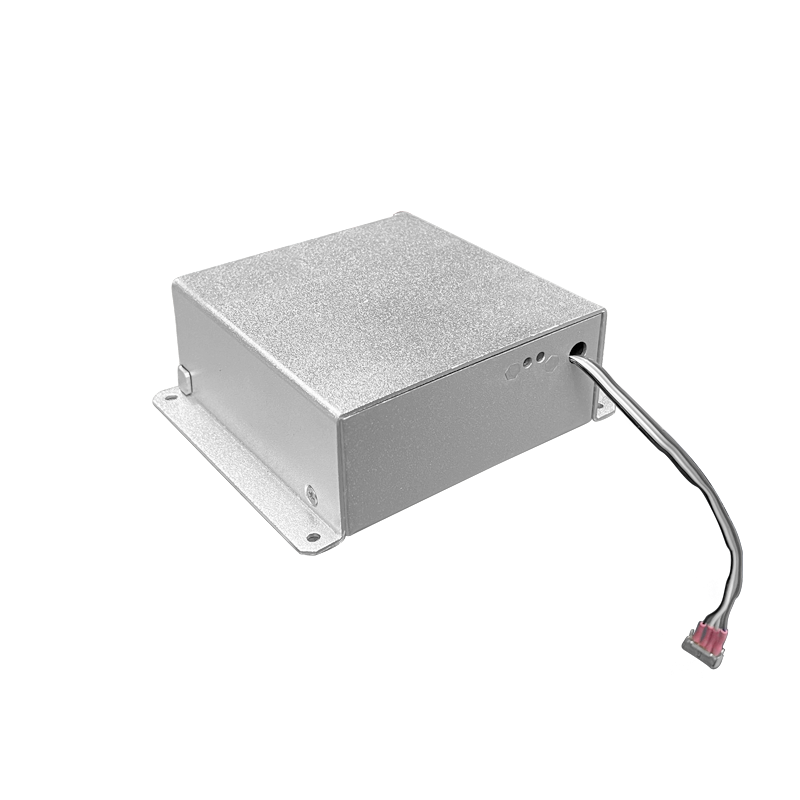
Electron Beam Multi-Jet Parallel Manufacturing High-Voltage Synchronization Control
Electron beam additive manufacturing represents a transformative technology for producing complex metal components with superior material properties.The development of multi-jet electron beam systems enables significant productivity improvements through parallel processing.However,achieving consistent quality across multiple beams requires sophisticated high-voltage synchronization control.
Electron beam additive manufacturing operates by focusing high-energy electrons onto metal powder or wire feedstock,fusing the material layer by layer to build three-dimensional parts.The electron beam provides excellent energy coupling with metals,deep penetration heating,and minimal residual stress compared to laser-based additive methods.
Multi-jet configurations increase throughput by processing multiple areas simultaneously or by cooperating on single features.Each electron beam column operates independently with its own electron gun,focusing optics,and deflection system.However,for consistent product quality,these multiple beams must operate in a coordinated manner.
High-voltage synchronization control addresses several critical aspects of multi-beam operation.Beam current consistency ensures that each beam delivers equal energy to its respective processing zone.Timing coordination between beams enables efficient filling of larger build areas without gaps or overlaps.Synchronization with material delivery systems ensures proper feedstock placement and consolidation.
The technical implementation of synchronization control involves precise timing circuits and feedback systems.High-voltage power supplies for each beam column must maintain stable output despite load variations during processing.Fast response to control commands enables precise timing of beam pulses and position transitions.
Process monitoring and adaptive control enhance multi-beam synchronization performance.In-situ pyrometry monitors melt pool characteristics across all beams,providing feedback for power adjustment.Beam position monitoring using capacitive or optical sensors enables precise coordination of beam locations.
In high-productivity manufacturing applications,multi-jet electron beam systems face particular challenges.Each beam column must maintain alignment with the others throughout long build cycles.Thermal effects in the vacuum chamber and beam optics can cause drift that requires compensation.Material consumption rates must be balanced across all beams to prevent feedstock starvation.
The engineering design of multi-beam systems requires attention to several practical considerations.Vacuum system capacity must handle the increased gas load from multiple electron sources.Cooling systems must remove heat from multiple beam columns and their respective power supplies.Physical access for maintenance must accommodate the more complex geometry.
Safety systems in multi-beam electron beam equipment require comprehensive interlock networks.Each beam column should have independent safety interlocks that can terminate its operation independently.Vacuum interlocks must ensure proper chamber evacuation before any beams can be activated.Personnel access interlocks provide protection during maintenance operations.
Economic analysis of multi-jet electron beam systems indicates significant productivity advantages compared to single-beam configurations.While initial capital investment is higher,the throughput improvements can reduce per-part costs substantially.Flexibility to use fewer beams for smaller parts improves equipment utilization.
Future developments in multi-beam electron beam technology will likely focus on improved synchronization and control systems.Artificial intelligence and machine learning can optimize beam coordination for specific part geometries.Advanced diagnostics will enable predictive maintenance that minimizes downtime.
In summary,electron beam multi-jet parallel manufacturing with high-voltage synchronization control enables significant productivity improvements in additive manufacturing.Through sophisticated coordination of multiple electron beams,consistent high-quality component production can be achieved at rates unattainable with single-beam systems.