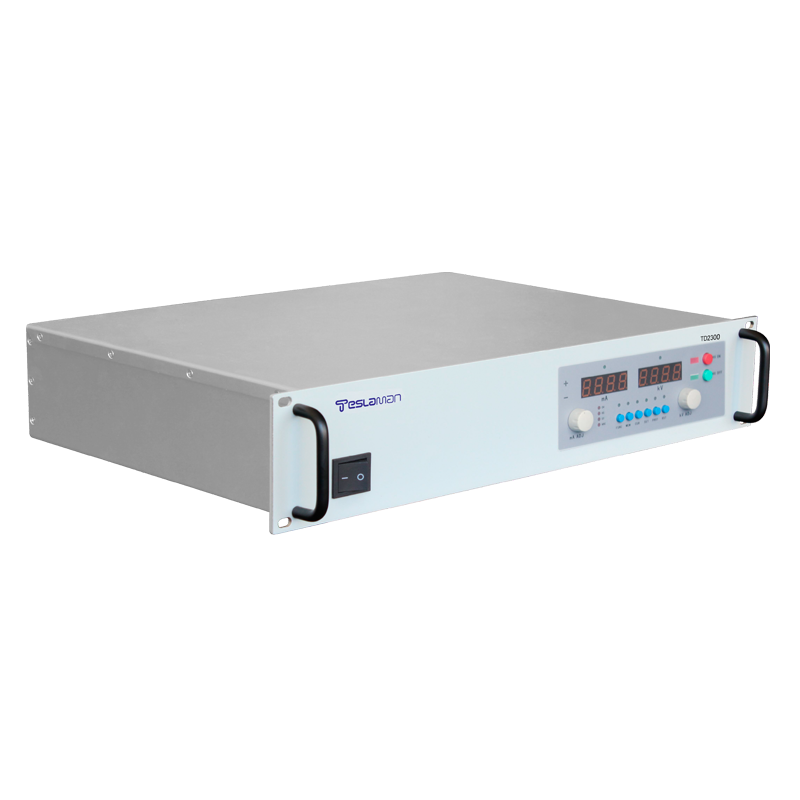
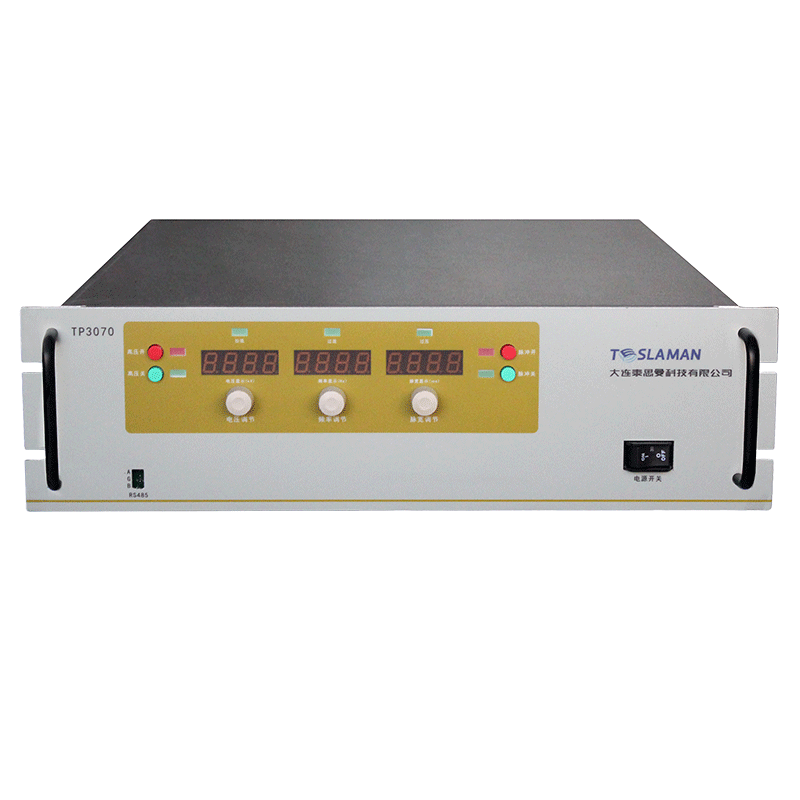
225kV High-Voltage Power Supply Arc Fault Rapid Isolation Technology
High-voltage power supplies operating at voltage levels of two hundred twenty-five kilovolts serve critical applications in scientific research,industrial processing,and medical equipment.Arc faults represent a significant hazard in these systems,posing risks to equipment,personnel,and facilities.Rapid isolation technology provides essential protection capabilities for these challenging operating environments.
Arc faults in high-voltage systems occur when the electric field exceeds the breakdown strength of the surrounding medium,creating a conductive plasma path.Current through this plasma channel can rapidly escalate,causing significant damage and potentially leading to cascading failures.
The characteristics of arc faults depend on multiple factors including voltage level,current availability,system inductance,and fault location. High-voltage systems with high available fault current can develop very rapid current rise times.Arcs in vacuum environments have different characteristics compared to those in gas or air.
Rapid isolation technology employs various mechanisms to interrupt fault currents as quickly as possible.Mechanical circuit breakers can interrupt currents but have limited speed for high-voltage applications.Solid-state switches using thyristors or insulated gate bipolar transistors provide faster response but have limited voltage and current ratings.Hybrid approaches combine different interrupt technologies for optimal performance.
The design of arc fault detection systems identifies the presence of dangerous conditions before isolation can be initiated.Current and voltage monitoring detects abnormal conditions indicating fault development.Optical sensors identify light emission from developing arcs.Ultra-fast detection algorithms process multiple sensor inputs to identify faults within microseconds.
For two hundred twenty-five kilovolt power supplies,isolation design faces particular challenges.The high voltage requires long creepage distances and robust insulation for isolation components.Isolation must maintain extremely low leakage currents to prevent voltage breakdown.High-voltage vacuum interrupters offer advantages of high voltage capability with good interruption performance.
Protection system coordination ensures that fault isolation occurs at appropriate system levels.Load-side faults should isolate quickly to protect downstream equipment while preserving supply capability for healthy loads.System-wide faults require isolation at the source to prevent damage and ensure safe system recovery.
Testing and verification of isolation system performance presents challenges for very high voltage systems.Short-circuit testing requires appropriate test facilities capable of handling the voltage and current levels.Simulation and modeling supplement physical testing to verify design margins.
Safety considerations in two hundred twenty-five kilovolt systems require comprehensive approaches.Personnel safety depends on proper grounding,interlocking,and access control.Equipment protection limits damage extent and facilitates rapid recovery.Facility systems including ventilation and fire protection address arc fault consequences.
The economic tradeoffs in isolation system design involve balancing protection capability against cost and complexity.Extensive protection reduces risk of damage and downtime but increases system cost. Risk-based design approaches optimize protection investment based on consequence assessment.
Future developments in arc fault protection will leverage advances in detection technology and switching devices.Improved sensors and algorithms will enable faster and more reliable fault detection.Wide-bandgap semiconductors will enable solid-state switching at higher power levels.
In summary,two hundred twenty-five kilovolt power supply arc fault rapid isolation technology provides essential protection for high-voltage systems.Through sophisticated detection and fast-acting isolation,these systems limit damage and protect personnel and equipment in the event of fault conditions.