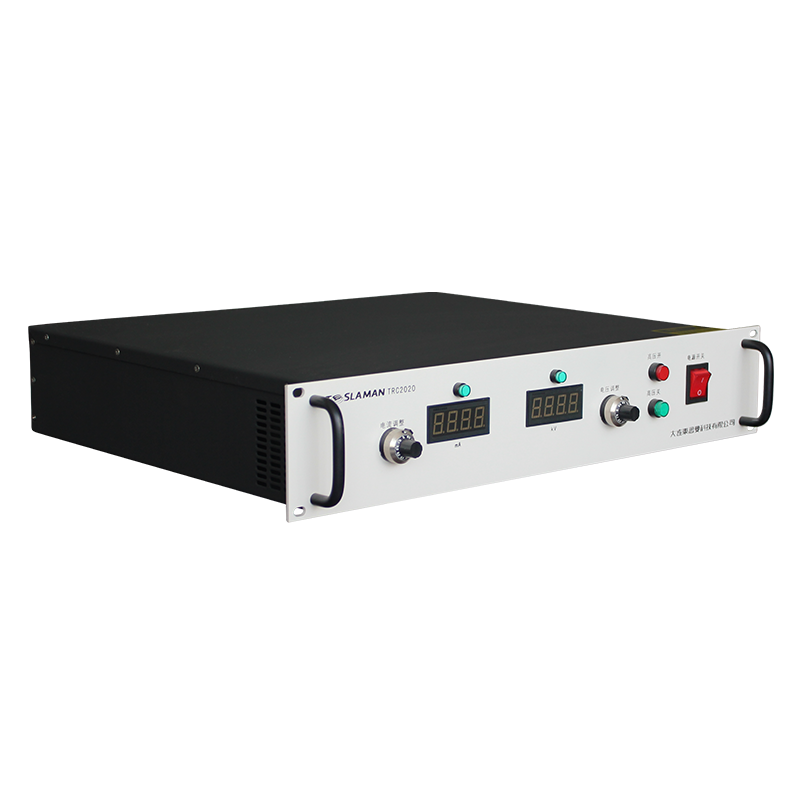
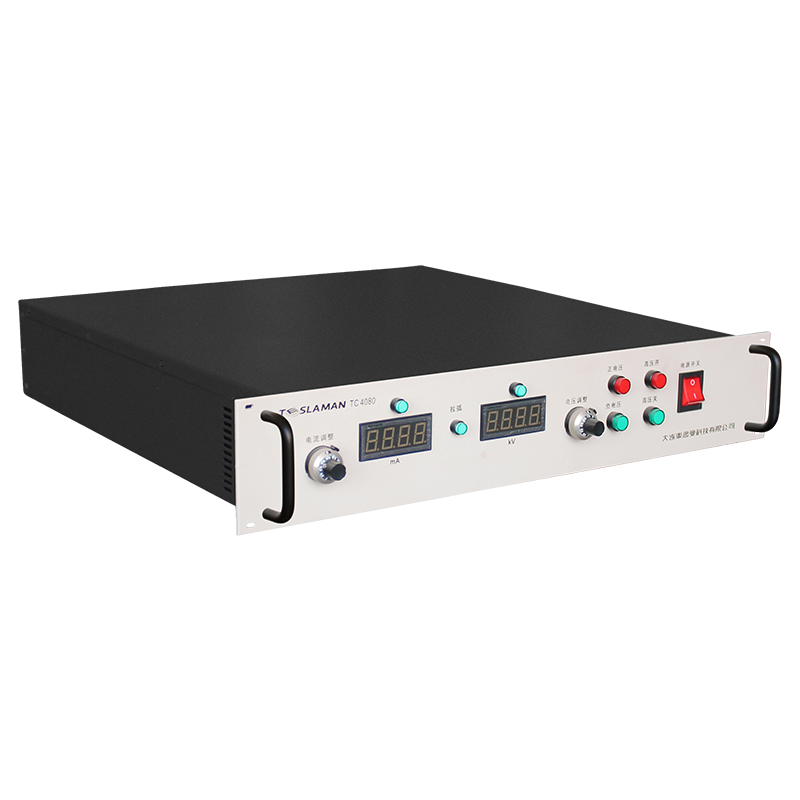
Online Fault Prediction for 320kV High Voltage Power Supply Modules
High voltage power supply modules operating at 320kV represent critical components in numerous industrial and research applications, including electron beam processing, X-ray generation, and particle acceleration. The reliability and availability of these systems are paramount, as failures can result in costly downtime, lost production, and potential safety hazards. Online fault prediction represents an advanced approach to maintenance that aims to identify developing problems before they cause actual failures, enabling proactive maintenance and reducing unplanned outages. The implementation of effective online fault prediction requires sophisticated monitoring and analysis capabilities integrated into the high voltage power supply system, with particular attention to the unique failure modes and degradation mechanisms associated with high voltage operation.
The failure modes of 320kV high voltage power supply modules encompass a wide range of electrical, thermal, and mechanical mechanisms. Electrical failures include insulation breakdown, component degradation due to electrical stress, and solder joint fatigue from thermal cycling. High voltage components such as transformers, capacitors, and semiconductor devices are subject to gradual degradation from partial discharge, corona, and dielectric heating. Thermal failures result from inadequate cooling, excessive power dissipation, or hot spots in power semiconductor devices. Mechanical failures include connector degradation, vibration-induced damage, and material fatigue. The challenge for online fault prediction is to detect the early signs of these various failure modes through appropriate monitoring of electrical parameters, thermal conditions, and other indicators that correlate with component health.
The implementation of online fault prediction requires a comprehensive sensor suite integrated into the high voltage power supply module. Electrical parameters to monitor include output voltage and current, input voltage and current, and various intermediate voltages within the power conversion stages. The analysis of harmonic content, ripple, and noise can provide early indication of component degradation. Thermal monitoring should include temperature measurements at critical locations such as power semiconductor devices, transformers, capacitors, and heat sinks. The monitoring of cooling system parameters such as airflow, coolant temperature, and pump speed provides additional insight into thermal conditions. Vibration and acoustic sensors can detect mechanical problems such as loose connections or bearing wear. The selection and placement of sensors must balance the need for comprehensive monitoring with the practical constraints of cost, space, and potential interference with normal operation.
Data acquisition and signal processing represent critical aspects of online fault prediction systems. The sensors generate large volumes of data that must be acquired, processed, and analyzed in real time. High-speed analog-to-digital converters capture electrical waveforms with sufficient resolution to detect subtle changes that may indicate developing problems. Digital signal processing techniques extract relevant features from the raw data, such as harmonic amplitudes, ripple levels, temperature trends, and vibration signatures. The processing must be efficient enough to handle the data rates while providing timely fault indications. Advanced systems may employ edge computing capabilities to perform initial data processing locally, reducing the bandwidth requirements for data transmission to central analysis systems. The signal processing algorithms must be robust against noise and normal process variations while remaining sensitive to genuine fault precursors.
Feature extraction and pattern recognition form the core of online fault prediction algorithms. The processed sensor data is analyzed to extract features that correlate with specific fault conditions or degradation mechanisms. These features may include statistical parameters such as mean, standard deviation, and peak values, frequency domain characteristics from Fourier analysis, and time-domain patterns from waveform analysis. Machine learning techniques, including supervised learning with labeled fault data and unsupervised learning for anomaly detection, can identify complex patterns that indicate developing problems. The algorithms must be trained on historical data from both normal operation and known fault conditions to establish baseline behavior and fault signatures. The challenge lies in achieving sufficient sensitivity to detect genuine problems while avoiding false alarms from normal variations or benign anomalies.
The integration of online fault prediction with maintenance systems represents a critical aspect of practical implementation. The fault prediction system must provide actionable information to maintenance personnel, including clear indication of the nature and severity of detected problems, recommended maintenance actions, and estimated time to failure. The system should prioritize faults based on urgency and potential impact, enabling efficient allocation of maintenance resources. Integration with computerized maintenance management systems enables automatic work order generation and tracking of maintenance activities. Historical data from fault predictions and actual failures can be used to continuously improve the prediction algorithms and refine maintenance strategies. The system should also provide feedback on the effectiveness of maintenance actions, enabling validation of predictions and optimization of maintenance intervals.
The reliability of online fault prediction systems themselves is a critical consideration. False positives, where the system predicts a fault that does not occur, can lead to unnecessary maintenance and reduced confidence in the system. False negatives, where the system fails to predict an actual fault, can result in unexpected failures and reduced system availability. The prediction algorithms must be carefully validated and tuned to achieve an appropriate balance between sensitivity and specificity. The system should include confidence levels or probability estimates for each prediction, enabling maintenance personnel to make informed decisions about the urgency of response. Regular validation and updating of the prediction models based on actual failure data helps maintain accuracy over time as operating conditions and component characteristics evolve.
The implementation of online fault prediction for 320kV high voltage power supply modules presents unique technical challenges. The high voltage environment complicates sensor placement and signal acquisition, requiring special high-voltage probes and isolation techniques. The presence of strong electromagnetic fields from switching operation can interfere with sensor signals, requiring careful shielding and filtering. The harsh operating environment, including elevated temperatures and potential contamination, can affect sensor reliability. The critical nature of the power supply function demands extremely high reliability from the fault prediction system itself. These challenges require specialized design approaches and careful validation to ensure reliable operation under actual operating conditions.
The benefits of effective online fault prediction for 320kV high voltage power supply modules are substantial. Predictive maintenance based on early fault detection can significantly reduce unplanned downtime compared to reactive maintenance approaches. The ability to plan maintenance activities in advance allows for better resource allocation and reduced emergency maintenance costs. Early detection of developing problems can prevent catastrophic failures that might cause extensive damage to the power supply or connected equipment. The improved reliability and availability translate directly to increased productivity and reduced operational costs. Additionally, the data collected by fault prediction systems can provide valuable insights into system performance and degradation mechanisms, supporting continuous improvement in power supply design and maintenance practices.
Future developments in online fault prediction technology continue to advance the capabilities for 320kV high voltage power supply modules. The integration of artificial intelligence and machine learning techniques enables more sophisticated analysis of complex patterns and correlations in sensor data. Improved sensor technologies, including fiber-optic sensors and wireless sensor networks, provide new options for monitoring in high voltage environments. Edge computing and cloud-based analytics enable more powerful processing capabilities and real-time collaboration between systems. Digital twin technology allows for simulation and prediction of system behavior under various fault scenarios. These emerging technologies promise to further enhance the accuracy, reliability, and value of online fault prediction systems for high voltage power supply applications.