High Voltage Conformal Control for Complex Surfaces in Electrostatic Spraying
Electrostatic spraring has become a widely used technology for applying coatings to various substrates in industries ranging from automotive to consumer goods. The process involves charging paint particles as they exit the sprayer and using an electric field to direct them toward the grounded workpiece. For complex surfaces with varying geometries, maintaining uniform coating thickness and coverage presents significant challenges. High voltage conformal control represents an advanced approach that dynamically adjusts the electric field to accommodate surface geometry, ensuring consistent coating characteristics across complex shapes. The implementation of effective conformal control requires sophisticated high voltage power supply systems capable of rapid voltage adjustment and precise field control.
The fundamental principle of electrostatic spraring relies on the attraction between charged paint particles and the grounded workpiece. The paint particles acquire charge through triboelectric charging as they pass through the sprayer, typically reaching charge levels of several microcoulombs per kilogram. The electric field strength between the sprayer and workpiece determines the particle trajectory and deposition pattern. For flat surfaces, a uniform electric field produces relatively uniform coating. However, complex surfaces with recesses, protrusions, and varying curvatures create non-uniform field distributions that can lead to coating thickness variations, shadowing effects, and incomplete coverage. High voltage conformal control addresses these issues by dynamically adjusting the sprayer potential to compensate for geometric variations and maintain more uniform electric field strength across the workpiece surface.
The implementation of conformal control requires real-time assessment of surface geometry and dynamic adjustment of high voltage parameters. Modern systems employ various sensing technologies to characterize the workpiece surface, including laser profilometry, machine vision, and distance sensors. This geometric information is processed by control algorithms that determine the optimal voltage profile for each position of the sprayer relative to the workpiece. The high voltage power supply must rapidly adjust its output to follow this voltage profile as the sprayer moves across the workpiece. The speed of voltage adjustment directly impacts the effectiveness of conformal control, as slow response cannot adequately compensate for rapid geometric changes. Typical voltage adjustment requirements range from tens to hundreds of volts per millisecond, depending on the specific application and sprayer movement speed.
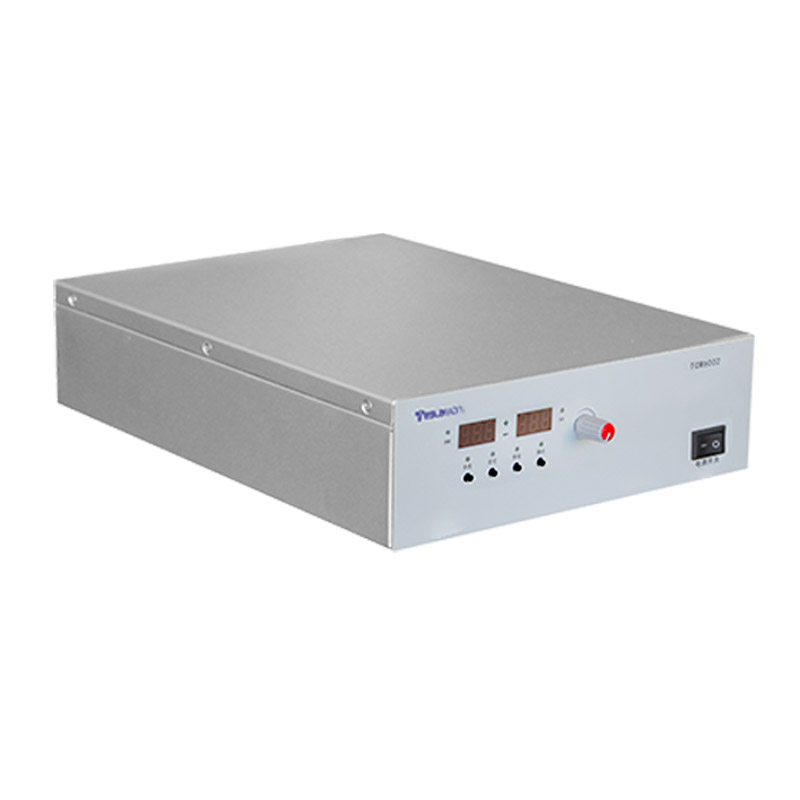
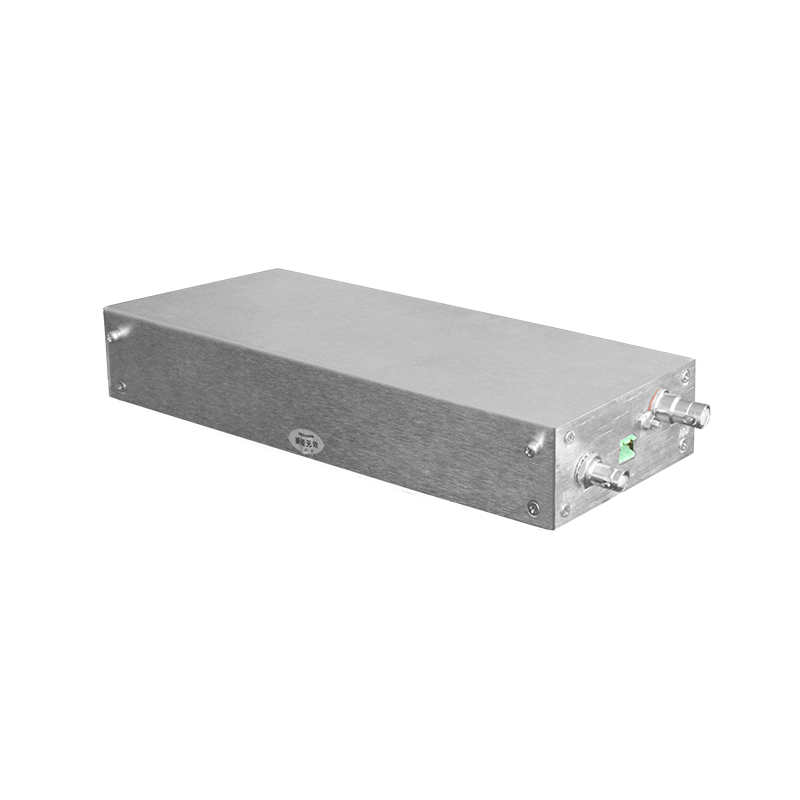
High voltage power supply design for conformal control applications must address several unique challenges arising from the dynamic operating requirements. The power supply must provide stable DC output while being capable of rapid voltage changes over a wide range. The output voltage typically ranges from 30 to 100 kilovolts, with adjustment ranges of plus or minus 20 percent or more depending on the surface geometry complexity. The power supply must maintain excellent voltage regulation during steady-state operation while providing the dynamic response needed for conformal control. The load presented by the sprayer varies with distance to the workpiece, paint flow rate, and environmental conditions, requiring the power supply to adapt to these variations while maintaining precise voltage control.
The topology of high voltage power supplies for electrostatic spraying conformal control typically employs a high-voltage DC-DC converter with a programmable output stage. The DC-DC converter provides the basic high voltage generation, while the output stage implements the dynamic voltage control. Advanced designs may employ multiple parallel converter stages with coordinated control to achieve both high power capability and fast dynamic response. The use of digital control enables sophisticated voltage programming algorithms that can implement complex voltage profiles synchronized with sprayer motion. Modern systems may incorporate predictive control that anticipates geometric changes based on sprayer trajectory and pre-adjusts voltage to minimize response time.
Voltage regulation and dynamic response represent critical performance parameters for conformal control power supplies. The coating quality depends directly on the consistency of the electric field strength, which in turn depends on voltage stability. During steady-state operation, voltage stability better than 0.1 percent is typically required to ensure consistent coating characteristics. The dynamic response must be fast enough to follow the voltage profile without significant lag or overshoot. The control bandwidth must be sufficient to handle the frequency components of the commanded voltage changes, which can extend to several hundred hertz for complex surfaces. Ripple and noise specifications are particularly important, as voltage fluctuations can cause coating defects such as orange peel or mottling.
The thermal design of high voltage power supplies for electrostatic spraying conformal control presents unique challenges due to the combination of high power levels and dynamic operation. The power supply must deliver power levels from several hundred watts to several kilowatts, depending on the sprayer size and paint flow rate. The dynamic operation with frequent voltage changes can create additional heating in power semiconductor devices. The presence of high voltage potentials complicates thermal management, as traditional cooling methods must be implemented without compromising electrical insulation. Many systems employ forced-air cooling with carefully designed airflow paths and strategically placed heat sinks. The thermal design must ensure stable operation over a wide range of ambient temperatures while maintaining the precision voltage regulation required for quality coating.
Protection and safety systems are integral components of high voltage power supplies for electrostatic spraying applications. The high voltages involved create significant electrical hazards, particularly in industrial environments where conductive materials and moisture may be present. Overcurrent protection prevents damage from fault conditions such as sprayer short circuits or power supply component failures. Overvoltage protection guards against insulation failure and component degradation. Arc detection circuits identify and respond to discharge events that could damage the sprayer or power supply. Interlock systems ensure that high voltage cannot be applied unless all safety conditions are met, including proper sprayer installation, grounding of the workpiece, and enclosure integrity. These protection systems must be designed for high reliability and fast response to prevent equipment damage while avoiding nuisance trips that would interrupt spraring operations.
The integration of high voltage power supplies with modern electrostatic spraying systems requires sophisticated control and monitoring capabilities. Digital communication interfaces enable remote monitoring and control of power supply parameters, integration with sprayer control systems, and data logging for quality assurance and process optimization. Advanced diagnostic capabilities help predict maintenance needs and optimize system performance. The ability to store and retrieve operating parameters supports sprayer recipes and ensures reproducibility of coating quality. Modern power supplies often include built-in self-test functions that verify critical components and subsystems before high voltage is applied, reducing the risk of unexpected failures during production runs.
Emerging applications in automotive, aerospace, and consumer goods continue to drive innovation in high voltage power supply technology for electrostatic spraying conformal control. The development of new coating materials with different electrical properties demands improved voltage control precision and adaptability. Increasingly complex part geometries and tighter quality requirements drive the need for more sophisticated conformal control algorithms and faster power supply response. The trend toward automated spraying systems with robotic sprayers creates demand for power supplies that can integrate seamlessly with motion control systems. These evolving requirements ensure continued development of advanced high voltage power supply technology specifically tailored to the unique needs of electrostatic spraying conformal control for complex surfaces.