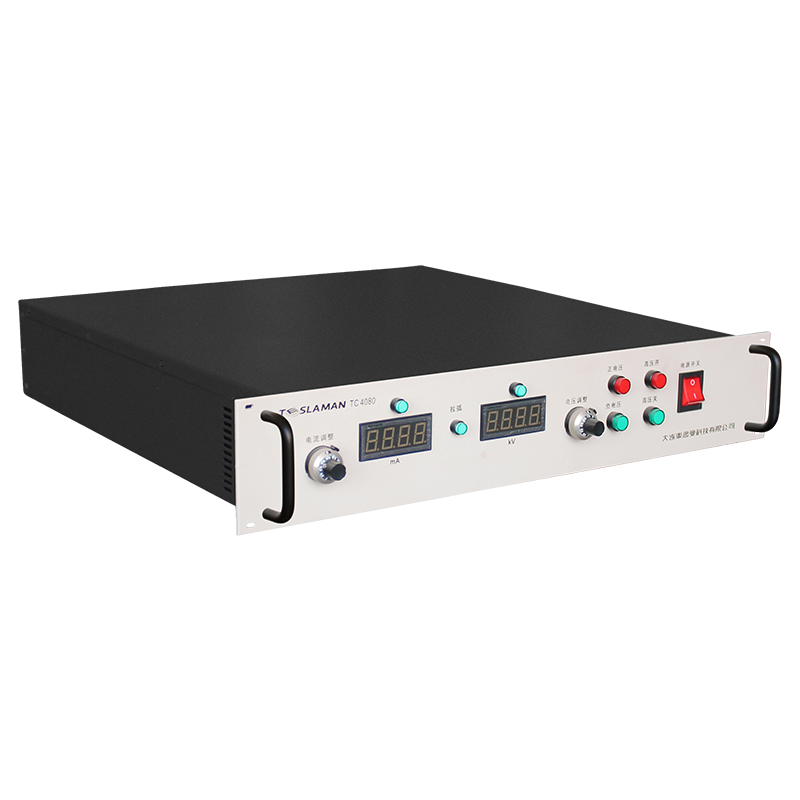
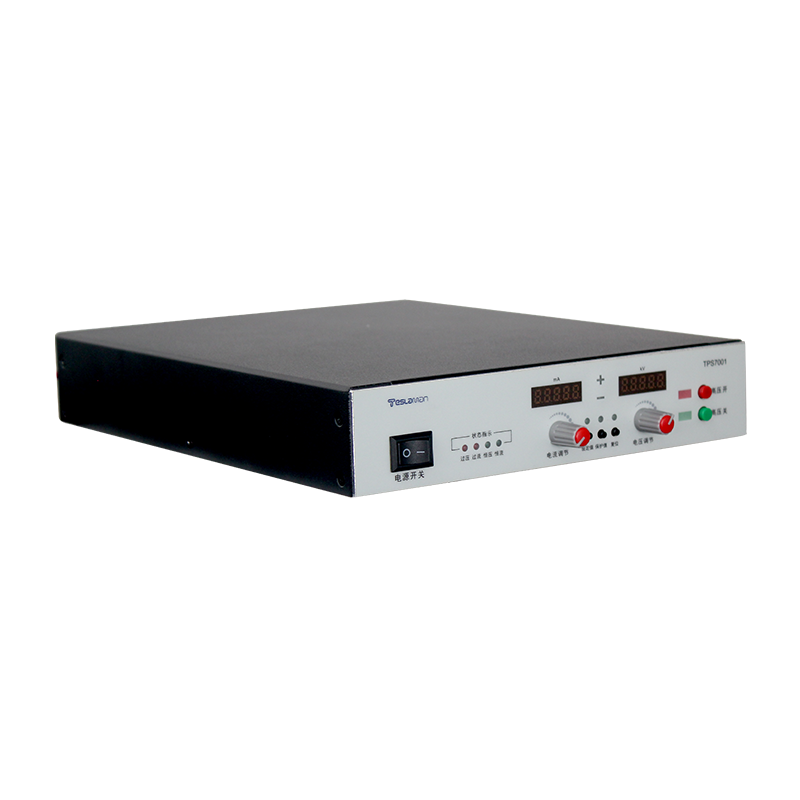
Arc Plasma Spectral Diagnosis for Coating High Voltage Power Supply
Vacuum coating processes using plasma-enhanced techniques have become essential for producing high-quality thin films with excellent adhesion and dense microstructure. The plasma generation and maintenance in these processes depend critically on the characteristics of the high voltage power supply that drives the plasma source. Arc plasma spectral diagnosis represents an advanced diagnostic approach that analyzes the optical emission from the plasma to assess its characteristics and optimize process conditions. The implementation of effective spectral diagnosis requires high voltage power supplies that can maintain stable plasma conditions while allowing the diagnostic systems to operate without interference. The quality of the high voltage power supply directly impacts plasma characteristics, film properties, and the effectiveness of spectral diagnostic techniques.
The electrical characteristics of plasma sources used in vacuum coating vary significantly depending on the specific technology and process requirements. Common plasma sources include magnetron sputtering, arc evaporation, and inductively coupled plasma sources. Each technology presents different load characteristics to the high voltage power supply. Magnetron sputtering typically operates at several hundred volts with currents from several amperes to hundreds of amperes, requiring stable DC output with low ripple. Arc sources operate at lower voltages, typically 20 to 50 volts, but with very high currents, often hundreds of amperes, and exhibit complex impedance characteristics including negative resistance behavior. Inductively coupled plasma sources require RF power at frequencies typically 13.56 megahertz, presenting different design challenges than DC power supplies. The power supply must be specifically designed for the plasma source type and process requirements.
Arc plasma spectral diagnosis involves analyzing the light emitted by the plasma to determine its composition, temperature, and other characteristics. Different atomic and molecular species in the plasma emit light at characteristic wavelengths, with the intensity of each line related to the concentration of that species. The spectral distribution provides valuable information about plasma chemistry, ionization degree, and process conditions. For effective diagnosis, the plasma must be stable and reproducible, which in turn requires stable high voltage power supply output. Any fluctuations in the power supply output cause variations in plasma characteristics that complicate spectral analysis and reduce diagnostic accuracy. The power supply must maintain excellent stability while providing the power levels needed for the coating process.
High voltage power supply design for coating applications with spectral diagnosis must address several unique challenges. The power supply must maintain extremely stable output to ensure consistent plasma characteristics for reliable spectral analysis. Voltage stability better than 0.01 percent is typically required for high-resolution spectral work. The power supply must also provide the necessary power levels, which can range from several hundred watts to tens of kilowatts depending on the plasma source size and process requirements. The presence of optical diagnostic systems creates electromagnetic compatibility challenges, as the power supply switching noise can interfere with sensitive optical detectors. Additionally, the plasma environment can create harsh operating conditions with potential for conductive deposits on high voltage components.
The topology of high voltage power supplies for coating applications has evolved to meet the specific requirements of plasma sources and spectral diagnosis. For DC plasma sources such as magnetron sputtering, modern power supplies typically employ switching converter topologies with excellent output filtering. Resonant converter designs are particularly well-suited, offering high efficiency, low electromagnetic interference, and good power density. The use of high-frequency operation allows for significant reduction in transformer size and improved dynamic response. For RF plasma sources, specialized RF power amplifiers are employed, often using solid-state devices for improved reliability and control. Advanced digital control systems monitor multiple parameters including output voltage, current, and temperature to optimize performance and ensure stable plasma conditions.
Voltage regulation and stability represent critical performance parameters for coating high voltage power supplies. The plasma characteristics and resulting film properties depend directly on the consistency of the applied power. Modern power supplies employ sophisticated feedback control algorithms that compensate for line voltage variations, load changes, and environmental conditions. The control bandwidth must be sufficient to respond to changes in plasma impedance while maintaining stable output. Ripple and noise specifications are particularly important for applications with spectral diagnosis, as power supply noise can directly affect plasma emission characteristics and complicate spectral analysis. Typical requirements call for ripple levels below 0.01 percent of the rated output voltage, necessitating careful design of filtering stages and selection of low-noise components.
The thermal design of high voltage power supplies for coating applications presents significant challenges due to the high power levels involved. A typical coating system may dissipate several kilowatts in the power supply, requiring effective thermal management to ensure reliable operation. The power supply components, including switching devices, transformers, and inductors, all generate substantial heat that must be removed. The presence of high voltage potentials complicates thermal design, as traditional cooling methods must be implemented without compromising electrical insulation. Many systems employ forced-air cooling with carefully designed airflow paths and strategically placed heat sinks. High-power applications may require liquid cooling systems to achieve adequate heat removal. The thermal design must ensure stable operation over a wide range of ambient temperatures while maintaining the precision regulation required for stable plasma conditions.
Electromagnetic compatibility represents a critical consideration for coating power supplies used with spectral diagnosis. The switching operation of the power supply generates electromagnetic interference that can affect sensitive optical detectors and spectrometers. Proper shielding, grounding, and filtering are essential to maintain measurement integrity. The power supply itself must be designed to minimize both conducted and radiated emissions. This often involves careful layout of high-current loops, strategic placement of decoupling capacitors, and the use of soft-switching techniques to reduce harmonic content. The physical placement of the power supply relative to optical diagnostic equipment requires careful consideration during system design to minimize interference paths.
Protection and safety systems are integral components of high voltage power supplies for coating applications. The high voltages and power levels involved create significant hazards requiring multiple layers of protection. Overcurrent protection prevents damage from fault conditions such as plasma short circuits or power supply component failures. Overvoltage protection guards against insulation failure and component degradation. Arc detection circuits identify and respond to unstable plasma behavior that could damage the plasma source or power supply. Interlock systems ensure that high voltage cannot be applied unless all safety conditions are met, including proper vacuum level, cooling system operation, and enclosure integrity. These protection systems must be designed for high reliability and fast response to prevent equipment damage while avoiding nuisance trips that would interrupt coating processes.
The integration of high voltage power supplies with modern coating systems requires sophisticated control and monitoring capabilities. Digital communication interfaces enable remote monitoring and control of power supply parameters, integration with process control systems, and data logging for quality assurance and process optimization. Advanced diagnostic capabilities help predict maintenance needs and optimize system performance. The ability to store and retrieve operating parameters supports process recipes and ensures reproducibility of coating runs. Modern power supplies often include built-in self-test functions that verify critical components and subsystems before high voltage is applied, reducing the risk of unexpected failures during production runs.
Emerging applications in advanced coatings, optical films, and functional materials continue to drive innovation in high voltage power supply technology for coating with spectral diagnosis. The development of new plasma source designs and process configurations demands improved control precision and faster response capabilities. Increasingly complex film structures require better uniformity and repeatability, driving requirements for reduced power ripple and improved long-term stability. The trend toward larger substrates and higher throughput creates demand for power supplies that can handle higher power levels while maintaining precision. These evolving requirements ensure continued development of advanced high voltage power supply technology specifically tailored to the unique needs of coating applications with arc plasma spectral diagnosis.