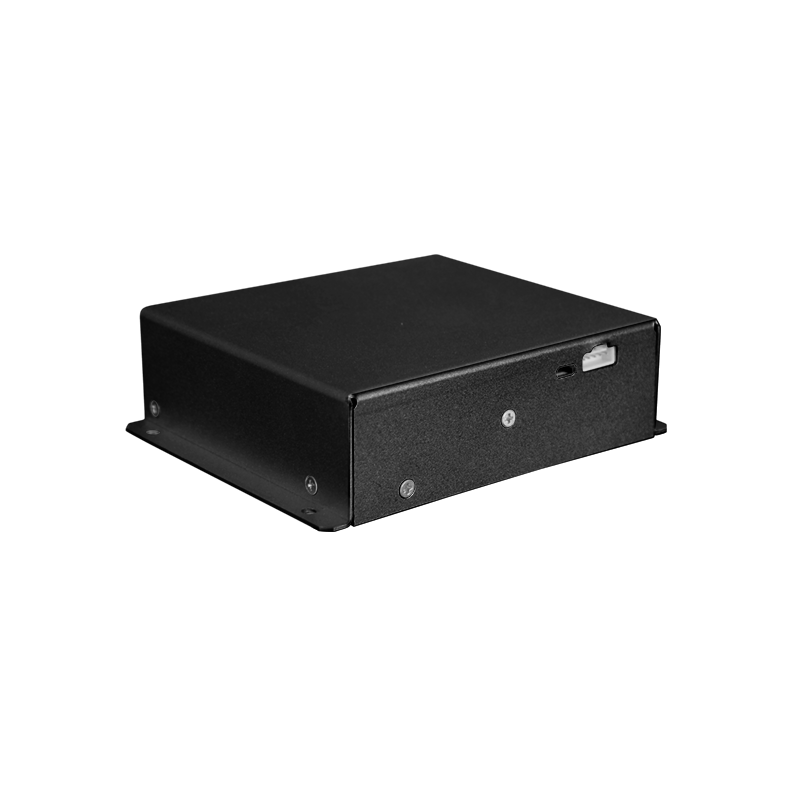
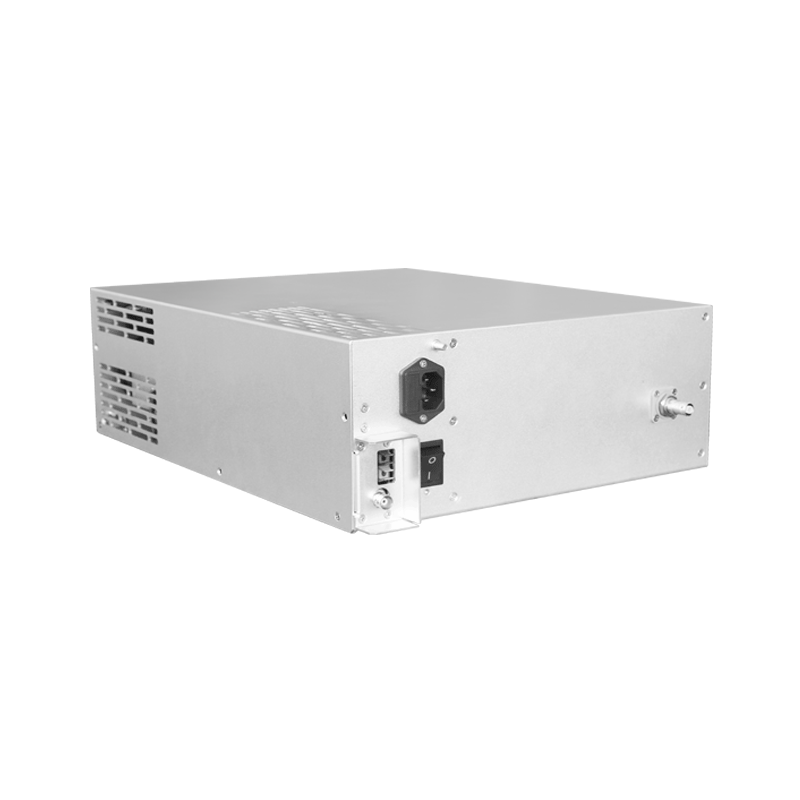
High Reliability High Voltage Power Supply System Integration Solution for Food Irradiation Sterilization
Food irradiation represents an important technology for food safety and preservation, using ionizing radiation to eliminate pathogens and extend shelf life. High voltage power supplies are critical components in food irradiation systems, particularly those using electron beam or X-ray technologies. The reliability of these power supplies is paramount given the critical nature of food safety and the economic impact of system downtime. System integration approaches that enhance reliability while meeting the specific requirements of food irradiation applications represent an important area of development. These integration solutions encompass multiple aspects including redundancy, fault tolerance, maintainability, and overall system architecture.
The electrical requirements for food irradiation high voltage power supplies depend on the specific irradiation technology and throughput requirements. Electron beam systems typically require accelerating voltages from several hundred kilovolts to several megavolts, with beam currents from milliamps to tens of milliamps depending on the throughput requirements. X-ray systems may have different voltage and current requirements but similar reliability needs. The power supply must provide stable output across these operating ranges while incorporating comprehensive reliability features. The load presented by the irradiation source varies with product characteristics, conveyor speed, and environmental conditions, requiring the power supply to adapt to these variations while maintaining reliability.
Redundancy architectures represent a fundamental approach to enhancing reliability. Critical power supply functions can be replicated with redundant modules that can take over if primary modules fail. Active redundancy where redundant modules operate in parallel and can seamlessly take over provides the highest reliability but at higher cost. Standby redundancy where redundant modules are offline until needed provides lower cost but with switchover time that may cause process interruption. The optimal redundancy approach balances reliability requirements with cost constraints. Food irradiation applications typically require very high reliability, making active redundancy approaches attractive despite the higher cost.
Fault tolerance design enables the system to continue operating despite the failure of individual components. This differs from redundancy in that fault tolerance accommodates failures within a single module rather than switching to redundant modules. Fault tolerance techniques include graceful degradation where the system continues operation at reduced capability after a failure. Advanced control algorithms can reconfigure operation to work around failed components. The combination of fault tolerance with redundancy provides comprehensive reliability coverage. Food irradiation systems often employ both approaches to achieve the required reliability levels.
Modular design approaches facilitate efficient maintenance and reduce downtime. The power supply can be designed with modular architecture where failed modules can be quickly replaced without requiring complete system shutdown. This approach reduces the mean time to repair and minimizes production interruption from failures. The modules can be designed with hot-swap capability, allowing replacement while the system continues to operate. The use of standardized module interfaces simplifies spare parts management and reduces the technical skill required for maintenance. Food irradiation facilities often have limited technical staff, making modular design particularly valuable.
Condition monitoring and predictive maintenance represent important aspects of reliability enhancement. Continuous monitoring of key parameters provides the data needed for early fault detection. Output voltage and current monitoring provides direct indication of power supply performance. Component temperature monitoring provides indication of thermal stress that may lead to failure. Advanced monitoring may include partial discharge detection to identify insulation degradation before actual failure occurs. Predictive maintenance uses this monitoring data to estimate remaining useful life and schedule maintenance before failures occur, maximizing availability.
Thermal management integration represents a critical aspect of overall system reliability. The power dissipation in the power supply and the thermal load on the irradiation system are interrelated. Integrated thermal management coordinates cooling between the power supply and irradiation system to optimize overall reliability. This may include shared cooling systems or coordinated control of independent cooling systems. The thermal design must ensure reliable operation across the full range of ambient conditions expected in food processing facilities, which may include elevated temperatures and humidity.
Power quality integration represents another important aspect of system reliability. Food processing facilities often have power quality issues including voltage sags, swells, harmonics, and transients. The power supply must be designed to operate reliably despite these power quality variations. This may include input filtering, voltage regulation, and protection against various power quality disturbances. Integration with facility power quality monitoring can provide visibility into conditions and enable adaptive operation. The power supply design must comply with relevant power quality standards for industrial equipment.
Safety system integration is critical given the high voltages and energies involved. The safety systems must be integrated with overall system safety architecture to provide comprehensive protection. This includes coordination of interlocks, emergency stop functions, and arc detection systems. The safety systems must be designed for high reliability to ensure they function when needed. Integration with facility safety systems ensures comprehensive protection. Documentation of safety system design and testing is important for regulatory compliance and ongoing operation.
Control system integration enables coordinated operation and optimization. The power supply control system must integrate with overall irradiation system control to enable optimal performance. This integration may include coordinated control of irradiation parameters based on product characteristics, adaptive operation based on monitoring data, and optimization of throughput versus quality trade-offs. Advanced control systems may employ model-based optimization that considers the entire irradiation process. The integration must maintain the modularity and maintainability required for reliable operation.
Maintenance procedure optimization represents an important aspect of overall reliability. Even with excellent fault tolerance and predictive maintenance, the actual maintenance procedures must be optimized to minimize downtime and ensure quality. Standardized maintenance procedures with clear documentation ensure consistency and reduce the chance of errors during maintenance. Training programs ensure that maintenance personnel have the required skills and knowledge. Maintenance documentation systems track maintenance history and provide insight into recurring problems or component lifetime patterns.
Validation and testing represent critical aspects of ensuring reliability. Comprehensive testing must be performed to verify that reliability requirements are met. This testing includes both component-level testing and system-level testing. Accelerated life testing can provide confidence in long-term reliability. The testing should cover the full range of operating conditions and environmental factors. Regular retesting may be required to ensure continued reliability as equipment ages or operating conditions change.
Recent progress in high reliability system integration has demonstrated significant improvements in achievable reliability. Integrated redundancy and fault tolerance approaches have achieved availability exceeding 99.9 percent for critical systems. Modular design with hot-swap capability has reduced mean time to repair by greater than eighty percent compared to non-modular designs. Integrated condition monitoring has enabled prediction of greater than ninety percent of failures before they occur. These improvements directly translate to higher system availability, lower maintenance costs, and improved food safety assurance.
Emerging food irradiation trends continue to drive innovation in high reliability system integration. The development of higher throughput systems creates demand for more sophisticated reliability approaches to handle increased power levels. Increasingly automated systems with reduced human oversight require more reliable and self-diagnostic power supplies. The trend toward continuous operation with minimal scheduled downtime creates demand for even higher reliability levels. These evolving requirements ensure continued development of high reliability system integration specifically tailored to the unique needs of food irradiation applications.