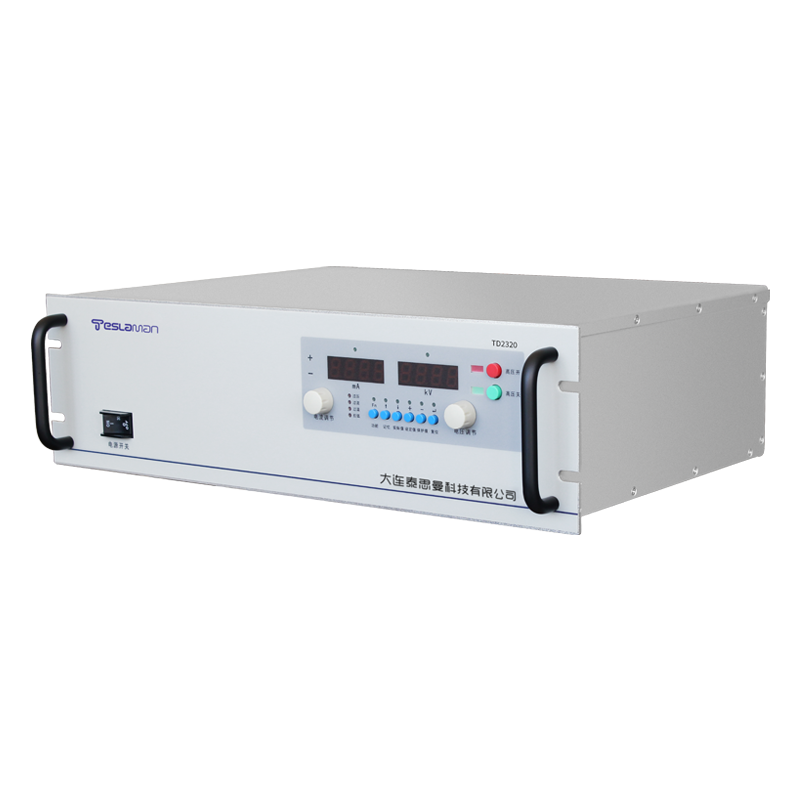
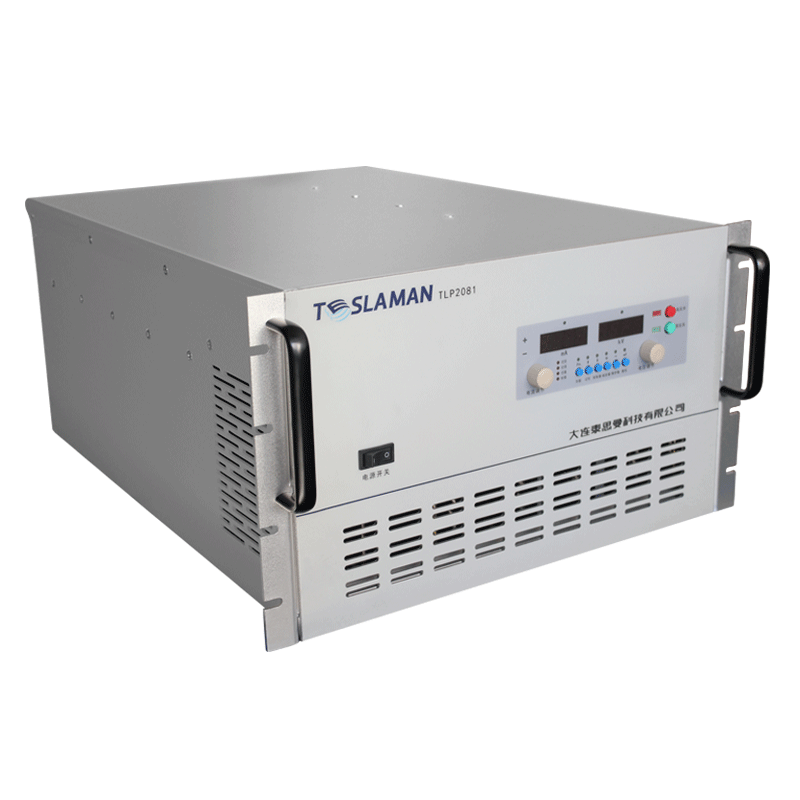
High Voltage Power Supply System Construction for Simulated Space Plasma Environment Experimental Platform
Space plasma environments present unique conditions that affect spacecraft operation and instrument performance. Simulated space plasma environment experimental platforms enable ground-based testing and research under conditions that replicate key aspects of the space plasma environment. The high voltage power supply systems for these platforms must provide the voltages and currents needed to generate and maintain plasma while withstanding the challenging environment. The construction of these power supply systems encompasses multiple aspects including plasma generation, environmental simulation, and diagnostic integration to achieve accurate simulation of space plasma conditions.
The electrical requirements for simulated space plasma power supplies depend on the specific plasma generation technology and simulation objectives. Typical operating voltages range from several hundred volts to several kilovolts, with currents from milliamps to hundreds of milliamps depending on the plasma density and volume. The power supply must provide stable output across these operating ranges while operating in vacuum chambers that simulate space conditions. The load presented by plasma sources varies with plasma density, composition, and operating conditions, requiring the power supply to adapt to these variations while maintaining precise voltage regulation.
Plasma generation techniques determine the power supply requirements. Different plasma generation methods including capacitively coupled plasma, inductively coupled plasma, and electron cyclotron resonance each have different electrical characteristics. The power supply must be designed for the specific plasma generation technology being used. Advanced plasma generation techniques may require specialized waveforms or modulation capabilities. The power supply design must accommodate the specific requirements of the chosen plasma generation method.
Vacuum chamber integration presents unique design considerations. The power supply must operate within or interface with vacuum chambers that simulate the space environment. High voltage feedthroughs must maintain vacuum integrity while providing electrical connection. The vacuum environment affects cooling and insulation characteristics. The power supply design must address these vacuum-specific challenges while maintaining required performance.
Environmental simulation capabilities extend beyond plasma generation to include other space environment aspects. The platform may simulate temperature extremes, radiation exposure, and other space conditions. The power supply must operate reliably under these simulated conditions. Radiation hardening may be required for radiation simulation. The power supply design must accommodate the full range of environmental simulation capabilities.
Diagnostic integration enables comprehensive plasma characterization. The platform typically includes multiple diagnostic instruments to measure plasma parameters. The power supply must interface with these diagnostic systems to enable coordinated operation. Advanced implementations may implement closed-loop control where diagnostic measurements feed back to adjust power supply parameters. The integration must be designed to ensure that power supply operation does not interfere with sensitive diagnostic measurements.
Control system architecture enables sophisticated plasma control. The power supply control must coordinate plasma generation with environmental simulation and diagnostic systems. Advanced control algorithms can implement complex plasma profiles and sequences. The control system must provide precise timing and coordination between different subsystems. The control architecture must balance sophistication with reliability for long-duration experiments.
Thermal management in vacuum environments presents unique challenges. The lack of convective cooling in vacuum limits heat removal options. Conduction through mechanical supports and radiation become the primary heat transfer mechanisms. The thermal design must achieve adequate cooling despite these limitations. Advanced thermal management techniques including heat pipes and radiators may be required. The thermal design must ensure reliable operation over extended experimental durations.
High voltage insulation in vacuum requires special consideration. The breakdown voltage of vacuum differs significantly from atmospheric conditions. The insulation design must account for vacuum breakdown characteristics. Surface conditioning and cleaning are critical for maintaining vacuum insulation performance. The insulation design must ensure reliable operation despite the vacuum environment.
Safety systems are essential for high voltage operation in research environments. Interlock systems prevent hazardous conditions during chamber access. Arc detection and suppression protect against discharge events. Emergency shutdown capabilities provide rapid de-energization in case of problems. The safety systems must be designed with high reliability and fail-safe principles. The safety design must consider the specific hazards associated with plasma generation and vacuum operation.
Recent advances in power supply technology have enabled improved simulation capabilities for space plasma environments. Advanced control algorithms have enabled more precise plasma control. Improved thermal management has enabled higher power operation in vacuum. Enhanced diagnostic integration has enabled more comprehensive plasma characterization. These advances have directly improved the accuracy and capabilities of space plasma environment simulation platforms.
Emerging space exploration missions continue to drive innovation in simulation platform power supply technology. The development of new plasma-based propulsion concepts creates demand for power supplies with new capabilities. Increasingly complex space environments require more comprehensive simulation capabilities. The trend toward longer duration missions creates demand for power supplies with exceptional reliability. These evolving requirements ensure continued development of power supply technology specifically tailored to the unique needs of simulated space plasma environment experimental platforms.