Portable Application of High Voltage Power Supply in Building Concrete Rebar Position Detection
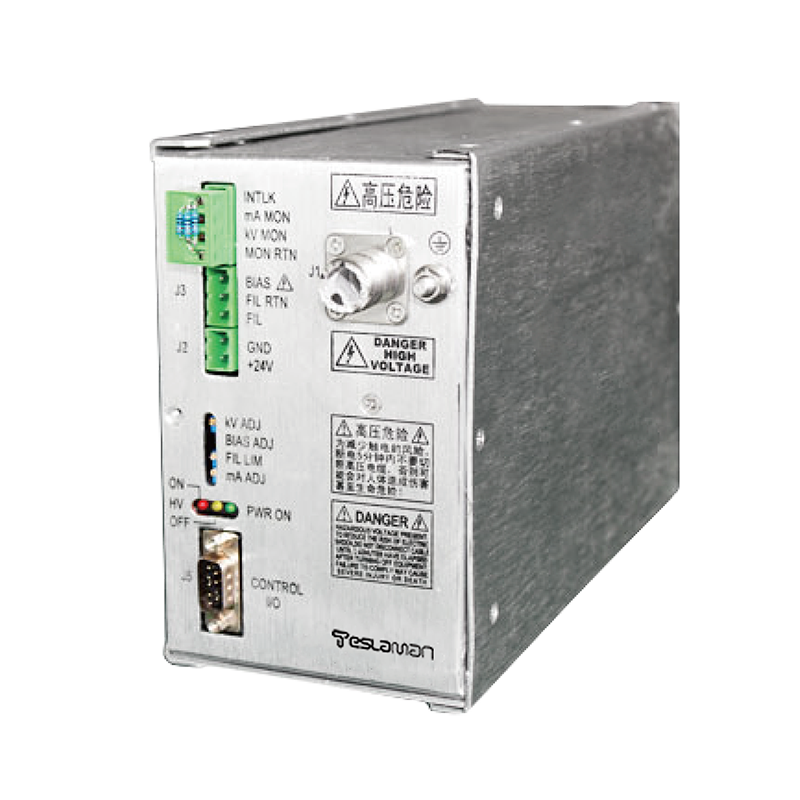
The detection of reinforcing steel bars within concrete structures is essential for construction quality verification, structural assessment, and renovation planning. Knowledge of rebar position, depth, and size is critical for structural engineers, building inspectors, and construction workers. High voltage based detection methods use electrostatic or electromagnetic principles to locate and characterize embedded reinforcement. Portable high voltage power supplies enable field deployment of these detection systems, allowing rapid assessment of concrete structures in situ. The development of portable high voltage power supplies for rebar detection requires balancing detection performance with portability, safety, and ease of use.
The electrical requirements for rebar detection power supplies depend on the specific detection method and the concrete structure being inspected. Typical operating voltages range from hundreds to thousands of volts, with currents from microamps to milliamps depending on the probe design and concrete properties. The power supply must provide stable output while the load varies with concrete moisture content, cover depth, and rebar configuration. The detection sensitivity depends on the signal-to-noise ratio, which is affected by power supply stability and noise performance. The power supply must be optimized for the specific detection method used.
Detection principles for rebar location include electromagnetic induction, ground penetrating radar, and electrostatic methods. Electromagnetic induction uses alternating magnetic fields to detect ferromagnetic rebar. Ground penetrating radar uses microwave pulses to image subsurface features. Electrostatic methods use electric fields to detect the conductivity contrast between rebar and concrete. Each method has specific advantages and limitations for different inspection scenarios. The power supply requirements differ significantly between these detection methods.
Electrostatic detection methods use the conductivity contrast between steel reinforcement and concrete. When a high voltage is applied to electrodes on the concrete surface, the current flow is concentrated toward nearby rebar due to its much higher conductivity. By measuring the current distribution or potential field on the surface, the rebar position can be determined. The power supply must provide sufficient voltage to drive measurable currents through the concrete while maintaining safety for the operator. The detection depth depends on the voltage level and the concrete resistivity.
Concrete properties significantly affect the detection performance. The electrical resistivity of concrete varies with moisture content, composition, age, and temperature. Wet concrete has much lower resistivity than dry concrete, affecting the current distribution and detection sensitivity. The presence of conductive aggregates or chemical admixtures can also affect the electrical properties. The power supply must accommodate the range of concrete properties encountered in field inspections. The detection algorithm must account for concrete property variations.
Portability requirements drive the power supply design toward compact and lightweight solutions. Field inspections require equipment that can be easily carried and operated by a single person. The power supply must be battery-powered or operate from portable power sources. The total weight of the detection system including the power supply must be manageable for extended field use. The power supply enclosure must be rugged enough to withstand the physical handling and environmental exposure of field inspections. Portability requirements often conflict with high voltage insulation and clearance requirements.
Battery power management is critical for portable operation. The power supply must efficiently convert battery energy to the high voltage required for detection. Battery life must be sufficient for a full day of field inspection. The power supply must provide accurate indication of remaining battery capacity. The battery must be safely charged and protected from overdischarge. The power management design must optimize battery life while maintaining detection performance. Different battery chemistries offer different trade-offs between energy density, weight, and cost.
Operator safety is paramount for portable high voltage equipment. The power supply must protect the operator from electrical hazards during field use. Safety features include current limiting, automatic shutdown, and insulated probe handles. The output voltage must be limited to safe levels for the expected operating conditions. The operator must be protected from electric shock even if the probe contacts unexpected grounded objects. Safety interlocks must prevent operation with damaged cables or probes. The safety design must be robust against the rough handling typical of field equipment.
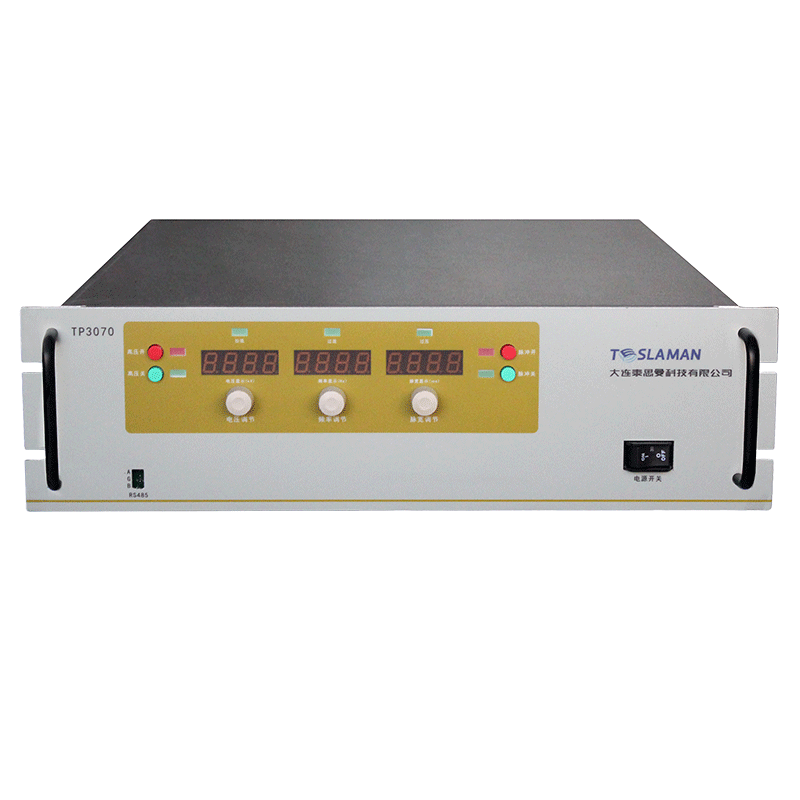
User interface design affects the practical usability of the detection system. The power supply controls must be simple and intuitive for field operators who may not be electrical specialists. The display must clearly show operating status, battery level, and any fault conditions. The probe connection must be secure and easy to engage and disengage. The user interface design must minimize the potential for operator error. Training requirements should be minimal for basic operation.
Environmental protection is essential for field-deployed equipment. The power supply must withstand exposure to dust, moisture, temperature extremes, and mechanical shock. Ingress protection ratings must be appropriate for the expected field conditions. The enclosure must protect the high voltage circuits from environmental contamination. Sealed connectors and cable entries prevent moisture ingress. The environmental protection must not compromise the thermal management of the power supply.
Probe design and power supply integration affect detection performance. The probe contains the electrodes that contact the concrete surface and must be designed for good electrical contact and durability. The probe cable carries the high voltage from the power supply to the probe and must be flexible, durable, and properly insulated. The connection between the power supply and probe must be secure and reliable. The probe design must be optimized for the specific detection method and the range of concrete conditions encountered in the field.
Calibration and reference procedures ensure measurement accuracy. The detection system must be calibrated to convert the raw electrical measurements into rebar position and size information. Calibration may use reference blocks with known rebar configurations. The calibration must account for the specific concrete properties at each inspection site. The power supply output must be stable enough to maintain calibration accuracy during field use. Regular calibration verification ensures continued measurement accuracy.
Data recording and reporting capabilities enhance the value of field inspections. The detection system may record measurement data including rebar positions, depths, and signal strengths. This data can be used to generate inspection reports and to track changes over time. The power supply and detection system must coordinate data recording with the measurement process. Wireless data transfer may be used to transmit results to mobile devices or cloud platforms for analysis and reporting.
Regulatory compliance affects the design and deployment of portable detection equipment. The power supply must comply with electrical safety standards for portable equipment. Electromagnetic compatibility must be ensured for operation in urban environments. The equipment may require certification for use in specific industries or jurisdictions. The regulatory requirements must be identified early in the design process to avoid costly redesigns. Compliance testing must be performed to demonstrate conformity with applicable standards.