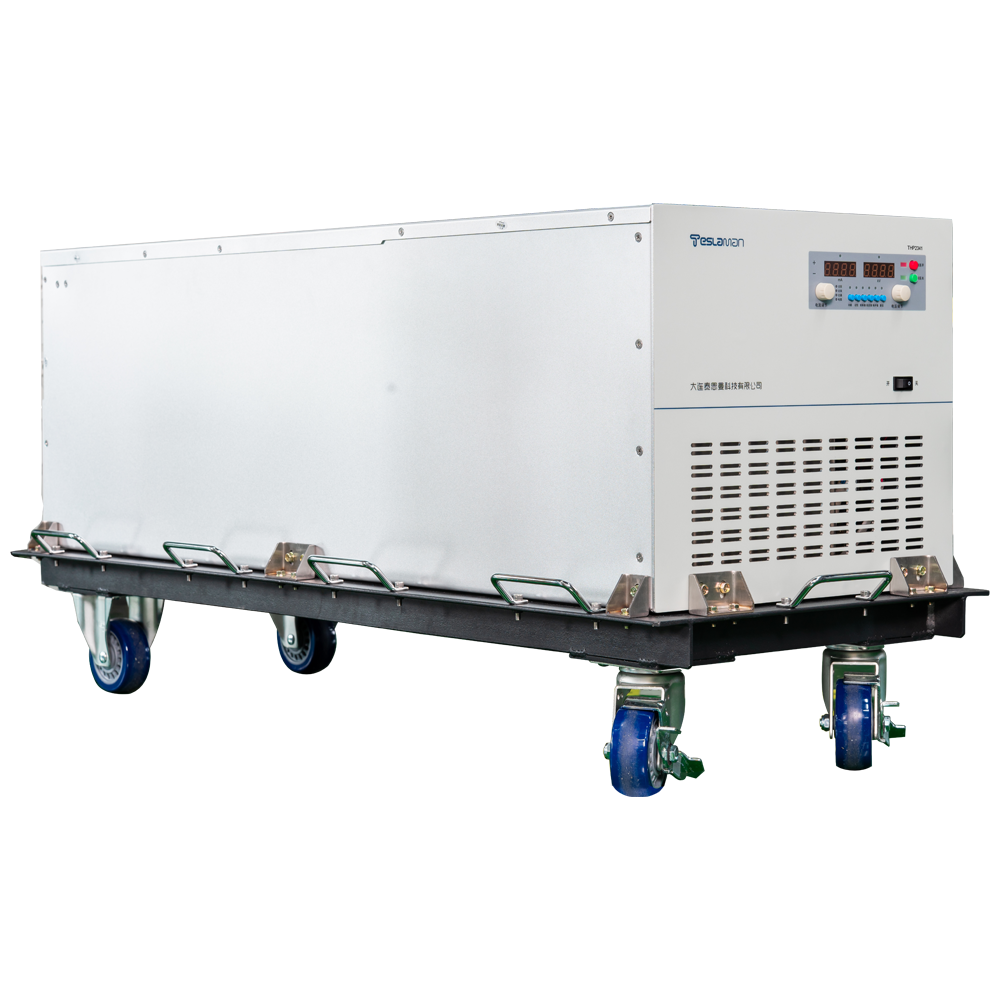
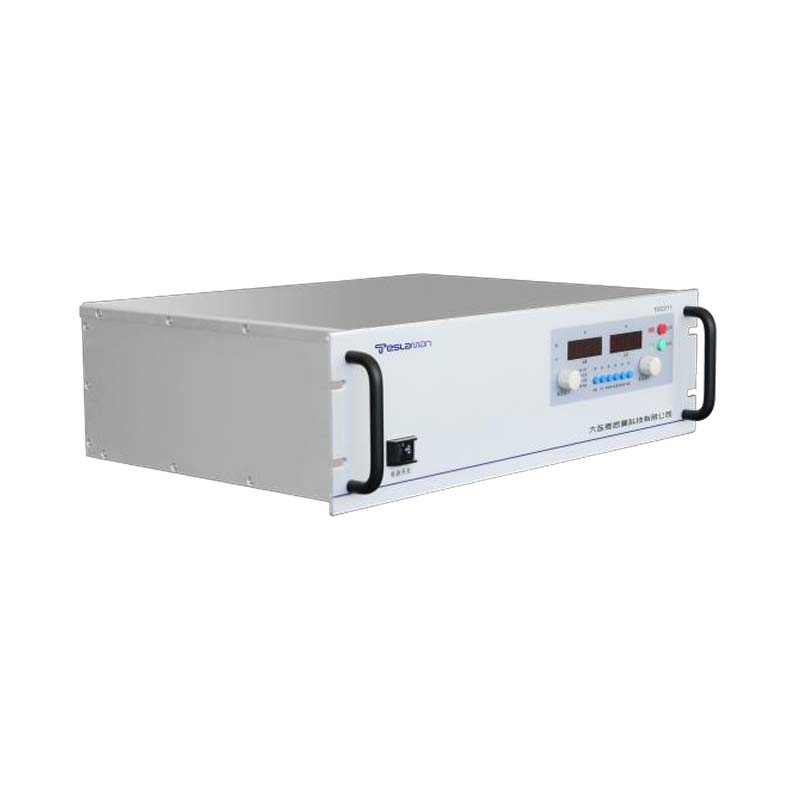
Precise Dose Rate Control of High Voltage Power Supply for Medical Product Electron Beam Irradiation Sterilization
Electron beam irradiation is a widely used method for sterilizing medical products, offering advantages of speed, reliability, and absence of chemical residues. The process uses high-energy electrons to inactivate microorganisms by damaging their DNA. The high voltage power supply that accelerates the electrons determines the electron energy and beam current, which together define the dose rate. Precise control of the dose rate is essential for ensuring consistent sterilization while avoiding damage to the product. The implementation of precise dose rate control requires understanding of radiation physics, beam dynamics, and power supply control systems.
The electrical requirements for electron beam sterilization power supplies depend on the product characteristics and throughput requirements. Typical operating voltages range from hundreds of kilovolts to several megavolts, with beam currents from milliamperes to tens of milliamperes depending on the dose rate and scan width. The power supply must provide stable and precise control of both voltage and current to achieve the required dose rate accuracy. The load presented by the electron accelerator varies with beam transport conditions and product characteristics.
Electron beam sterilization fundamentals involve electron acceleration and energy deposition. Electrons emitted from a cathode are accelerated by the high voltage potential to high kinetic energy. The accelerated electrons are focused and scanned across the product, penetrating the material and depositing energy. The absorbed dose, measured in Gray, determines the sterilization effectiveness. The dose rate, measured in Gray per second, depends on the beam current and scan pattern.
Dose rate definition and measurement must be precise. The dose rate is the energy deposited per unit mass per unit time. Dosimetry systems measure the actual dose delivered to the product. The dose rate must be controlled within specified tolerances to ensure consistent sterilization. The relationship between beam parameters and dose rate must be calibrated for each product and configuration.
Beam current control is the primary means of dose rate adjustment. The beam current determines the number of electrons delivered per unit time. Higher beam current produces higher dose rate. The power supply must provide precise control of the beam current over the required range. Current regulation must be stable despite variations in load impedance and environmental conditions. The current measurement must be accurate for precise dose rate control.
Beam energy affects penetration depth and dose distribution. The electron energy, determined by the acceleration voltage, affects how deep the electrons penetrate into the product. Higher energy electrons penetrate deeper but may require different shielding. The energy must be appropriate for the product thickness and density. The power supply must maintain stable voltage to ensure consistent energy throughout the sterilization run.
Scan pattern affects dose uniformity. The electron beam is typically scanned across the product to achieve uniform dose distribution. The scan frequency and amplitude affect the dose uniformity. The beam current must be stable during scanning to ensure uniform dose. The scan system must be coordinated with the power supply for optimal performance. The scan pattern must be designed for the specific product geometry.
Conveyor speed coordination is essential for dose control. Products are typically transported through the electron beam on a conveyor. The conveyor speed determines the exposure time for each portion of the product. The dose delivered equals the dose rate times the exposure time. The conveyor speed must be coordinated with the dose rate to achieve the target dose. The coordination must account for any variations in dose rate or conveyor speed.
Feedback control enables precise dose rate regulation. Dosimetry measurements can provide feedback for adjusting the beam current. Real-time monitoring of beam parameters enables detection and correction of drift. Closed-loop control can maintain the dose rate within specified tolerances despite variations in operating conditions. The control system must have adequate bandwidth to respond to relevant variations.
Process validation ensures consistent sterilization. The sterilization process must be validated to demonstrate that it achieves the required sterility assurance level. Validation includes dose mapping to verify uniform dose distribution. Process parameters must be established and controlled within validated ranges. The power supply performance must be characterized and documented as part of the validation. Regular revalidation ensures continued process effectiveness.
Safety systems protect personnel from radiation hazards. Interlocks prevent access to the radiation area during operation. Shielding contains the radiation within the processing area. The power supply must shut down safely if any safety interlock is activated. Emergency stop systems must quickly terminate the beam. The safety systems must be designed and maintained according to applicable regulations.
Regulatory compliance affects power supply and process design. Medical device sterilization is subject to strict regulatory requirements. The sterilization process must be validated according to recognized standards. The power supply must meet electrical safety requirements. Documentation must support the validation and routine operation. The regulatory requirements must be considered throughout the design and implementation process.
Quality assurance ensures consistent sterilization outcomes. Routine monitoring of process parameters verifies that the process remains within validated ranges. Dosimetry measurements confirm that the required dose is delivered. Statistical process control can identify trends that might affect sterilization effectiveness. Corrective action procedures address any deviations from specifications. The quality assurance program must be comprehensive and well-documented.
Future sterilization requirements will demand even more precise control. New medical products may have different sterilization requirements. Regulatory requirements may become more stringent. Higher throughput may require higher dose rates with maintained precision. The power supply technology must continue to advance to meet these requirements. Research into control techniques and monitoring methods will enable improved dose rate control.