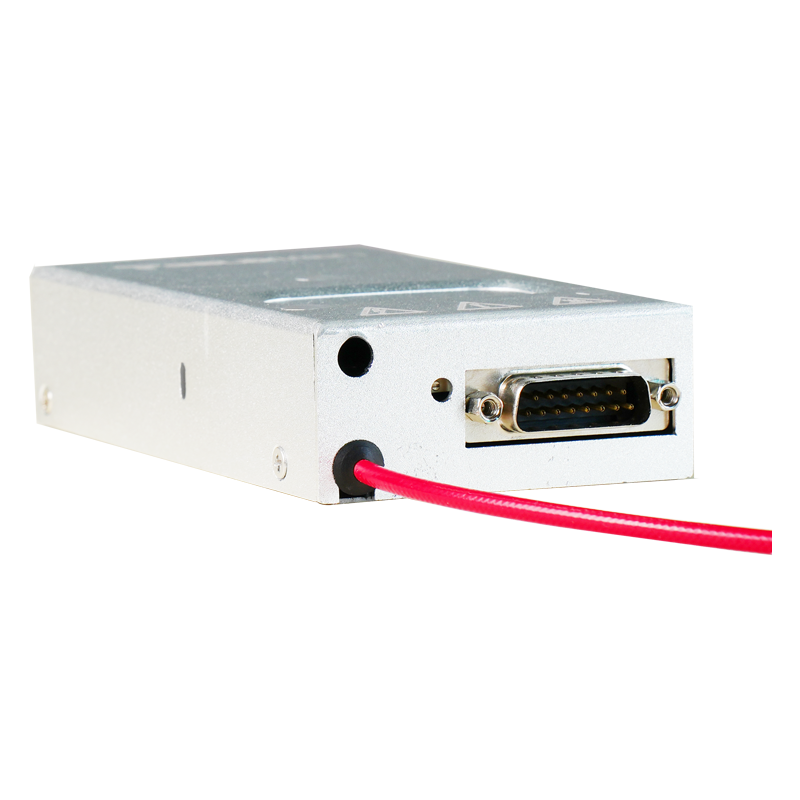
Design Principle of Intrinsically Safe High Voltage Power Supply for Electrostatic Protection in Oil Storage and Transportation
Electrostatic hazards in oil storage and transportation facilities pose serious safety risks including fires and explosions. The generation of static electricity during pumping, filtering, and tank filling operations can accumulate dangerous charge levels. High voltage power supplies for electrostatic protection systems must be designed with intrinsic safety to prevent ignition in hazardous atmospheres. Understanding the design principles for intrinsically safe high voltage power supplies enables development of effective protection systems.
The nature of electrostatic hazards in petroleum facilities requires careful analysis. Flowing hydrocarbons generate static charge through charge separation at pipe walls and filters. The accumulated charge can create sparks with sufficient energy to ignite flammable vapors. The minimum ignition energy for hydrocarbon vapors can be below one millijoule. Protection systems must prevent charge accumulation or safely dissipate accumulated charge. The power supply for protection systems must not itself become an ignition source.
Intrinsic safety principles define the design approach for hazardous area equipment. Intrinsically safe equipment cannot release sufficient electrical or thermal energy to cause ignition under normal or fault conditions. The design limits available energy below the ignition threshold of the specific atmosphere. Multiple independent faults must be considered in the safety analysis. The protection must be inherent in the design rather than relying on external safety devices.
Voltage and current limitations form the foundation of intrinsic safety design. The maximum open circuit voltage must be limited below levels that could cause ignition. The maximum short circuit current must be restricted to prevent spark ignition. The maximum power delivered to the hazardous area must be controlled. The stored energy in capacitors and inductors must be limited. These limitations must be maintained under all fault conditions.
Circuit design for intrinsically safe high voltage power supplies requires specialized techniques. High voltage generation must occur outside the hazardous area when possible. Voltage multipliers and transformers must be designed with appropriate isolation. Current limiting resistors restrict fault current levels. Safety barriers provide isolation between hazardous and non-hazardous areas. Component ratings must include appropriate safety margins.
Transformer design for intrinsic safety requires careful consideration. The transformer provides isolation between input and output circuits. The insulation system must prevent breakdown under fault conditions. The winding configuration must limit stored energy. The core design must prevent saturation under fault conditions. The transformer must be designed and tested for the specific safety requirements.
Energy storage limitations affect circuit design choices. Capacitors store energy that could be released during faults. The capacitance values must be limited to restrict stored energy. Inductors store energy in magnetic fields. The inductance values must be limited accordingly. The total stored energy must remain below safe limits under all conditions.
Protection components enhance intrinsic safety. Zener diodes limit voltage excursions. Fuses provide overcurrent protection. Resistors limit current flow. These components must be designed for reliability under fault conditions. The protection components must not fail in ways that compromise safety. Redundant protection may be required for critical functions.
Enclosure design for hazardous areas must prevent flame propagation. Explosion-proof enclosures contain any internal explosion without igniting the external atmosphere. Increased safety enclosures prevent ignition under normal operation. Purged enclosures maintain a safe atmosphere inside. The enclosure type must be appropriate for the hazardous area classification. The enclosure must maintain its integrity over the equipment lifetime.
Temperature considerations affect intrinsic safety design. Surface temperatures must remain below the ignition temperature of the atmosphere. Component heating under fault conditions must be analyzed. Thermal protection may be required to limit temperatures. The ambient temperature range affects component ratings. Temperature monitoring may be required for safety verification.
Installation requirements for intrinsically safe systems ensure maintained safety. Cable parameters affect circuit safety. Cable capacitance and inductance contribute to stored energy. Cable routing must prevent damage and maintain separation. Grounding requirements must be followed precisely. Installation must be performed by qualified personnel. Regular inspection maintains safety integrity.
Testing and certification validate intrinsic safety design. Type testing verifies compliance with safety standards. Routine testing ensures production consistency. Certification by recognized bodies provides independent verification. Documentation must demonstrate compliance with applicable standards. The certification process ensures that the design meets all safety requirements.
Maintenance of intrinsically safe equipment must preserve safety integrity. Replacement components must maintain the original safety parameters. Modifications must be evaluated for safety impact. Inspection procedures verify continued compliance. Training ensures that maintenance personnel understand safety requirements. Proper maintenance maintains the intrinsic safety of the equipment throughout its operational life.