Vibration and Shock Environmental Test of High Voltage Power Supply for Airborne Radar Transmitter
Airborne radar systems operate in demanding mechanical environments characterized by vibration and shock from aircraft operation. The high voltage power supply for the radar transmitter must maintain reliable performance under these conditions. Environmental testing validates the mechanical design and identifies potential failure modes. Understanding the vibration and shock test requirements enables development of rugged power supplies for airborne applications.
The airborne environment presents unique mechanical challenges. Engine vibration creates continuous excitation across a range of frequencies. Airframe vibration results from aerodynamic forces and structural resonance. Landing impact generates severe shock loads. Maneuvering loads create additional stress. Equipment must survive and function throughout the aircraft operational envelope.
Vibration characteristics of airborne platforms vary with aircraft type and location. Helicopter vibration includes significant low-frequency components from rotor systems. Fixed-wing aircraft vibration includes engine and propeller frequencies. Jet aircraft vibration includes higher frequency components. The vibration levels vary with flight conditions. Equipment mounting location affects the vibration exposure.
Shock environments in airborne applications result from multiple sources. Hard landing generates vertical shock loads. Catapult launch creates longitudinal acceleration. Arrested landing produces severe deceleration. Equipment handling during maintenance creates additional shock exposure. The shock pulses have specific waveforms and durations defined by applicable standards.
Test standards define the vibration and shock requirements for airborne equipment. Military standards specify test levels and procedures for defense applications. Commercial aviation standards address civil aircraft requirements. The standards define frequency ranges, acceleration levels, and durations. Test procedures ensure consistent and reproducible results. Compliance with applicable standards is required for certification.
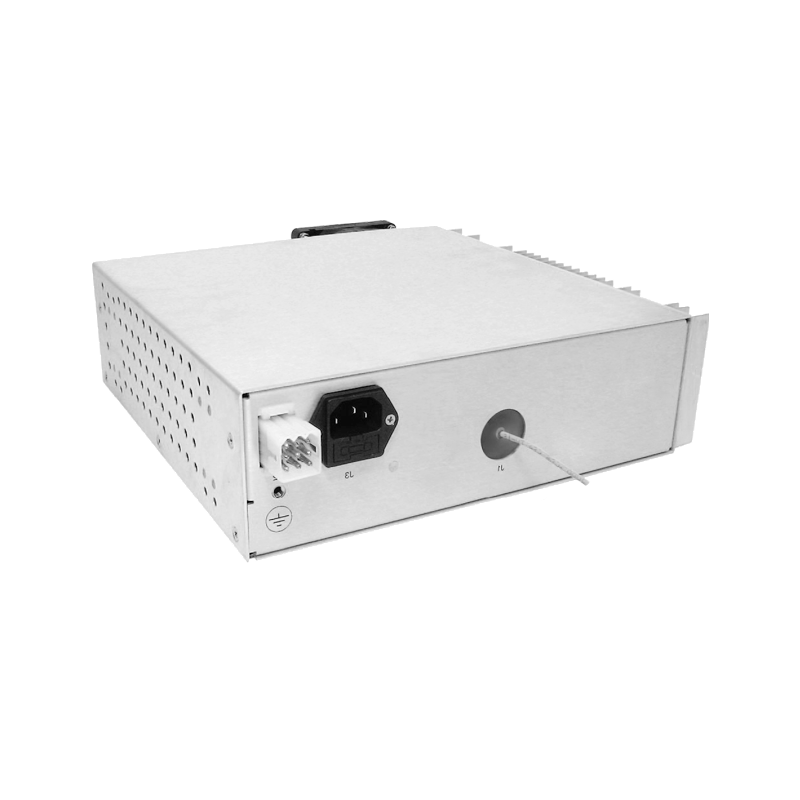
Vibration test setup requires careful attention to mounting and instrumentation. The power supply must be mounted on the vibration table as it would be in the aircraft. Accelerometers measure the input and response accelerations. Control systems ensure the specified vibration profile is achieved. The test fixture must not introduce spurious resonances. Proper setup ensures valid test results.
Sinusoidal vibration testing evaluates response at discrete frequencies. The test sweeps through the specified frequency range. Resonances are identified by peak response amplitudes. Resonance dwell tests evaluate endurance at critical frequencies. The sinusoidal test reveals the dynamic characteristics of the power supply. Failures during sinusoidal testing indicate design weaknesses.
Random vibration testing simulates the broadband vibration environment. The test applies vibration energy across a frequency spectrum. The power spectral density defines the vibration intensity at each frequency. Random vibration more closely represents the actual service environment. The test duration represents the expected service exposure. Failures during random vibration testing indicate potential field reliability issues.
Shock testing applies transient acceleration pulses to the equipment. The pulse shape may be half-sine, sawtooth, or trapezoidal. The peak acceleration and duration define the shock severity. Multiple shocks are applied in each axis and direction. The test verifies the ability to survive specified shock events. Post-shock functional testing verifies continued operation.
Design considerations for vibration and shock resistance include multiple aspects. Circuit board mounting must prevent fatigue failures. Component attachment must withstand mechanical stress. Connector designs must maintain contact under vibration. Transformer windings must be secured against movement. Enclosure design must provide adequate structural strength. Resilient mounting may be used to attenuate transmitted vibration.
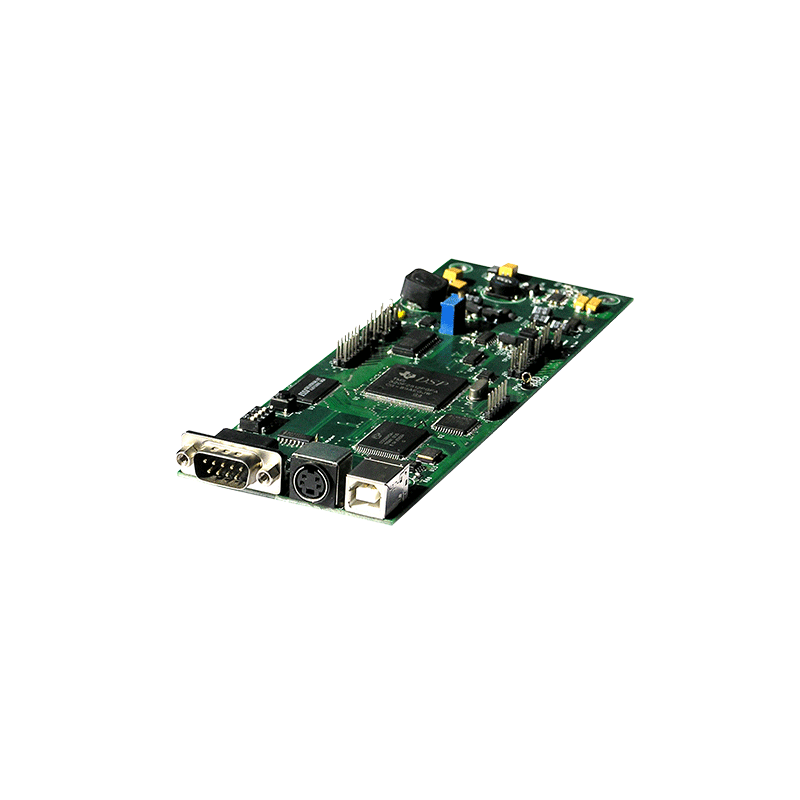
Circuit board design for vibration environments requires attention to detail. Large components require additional support. Heavy components should be placed near mounting points. Board stiffening may be required for large panels. Conformal coating provides additional component retention. Strain relief for wires and cables prevents fatigue failures. The board design must distribute mechanical stress appropriately.
Component selection for vibration environments affects reliability. Components rated for high vibration applications should be selected. Lead configurations affect mechanical stress resistance. Surface mount components generally perform better than through-hole in vibration. Potting and encapsulation provide additional protection. Component mounting methods must be appropriate for the environment.
Testing during development enables design optimization. Design verification testing identifies weaknesses before formal qualification. Incremental testing supports design iterations. Failure analysis informs design improvements. The development test program reduces risk for formal qualification. Early testing enables timely design changes.