Micro-discharge Experimental Platform for High Voltage Power Supply in Simulated Interplanetary Dust Detection
Interplanetary dust particles pose significant concerns for spacecraft and scientific instruments in space environments. Understanding the interaction between charged dust particles and high voltage systems is essential for reliable space mission operations. Ground-based simulation of interplanetary dust conditions requires specialized experimental platforms. The high voltage power supply for micro-discharge experiments must provide precise control and measurement capabilities. Understanding the experimental platform requirements enables development of effective simulation systems.
The space dust environment presents unique challenges for high voltage systems. Charged dust particles can accumulate on spacecraft surfaces. Particle impacts can generate secondary electron emission. Electrostatic discharge can occur when field strengths exceed breakdown thresholds. The low pressure environment affects discharge characteristics. Understanding these phenomena requires controlled experimental investigation.
Micro-discharge phenomena in dusty plasma environments involve complex physics. Field emission from particle surfaces initiates discharge under high fields. Secondary electron emission sustains discharge development. Particle charging affects the local electric field distribution. Surface conditioning changes discharge thresholds over time. The experimental platform must enable investigation of these phenomena.
Vacuum chamber requirements define the experimental environment. The chamber must achieve the low pressure conditions representative of space. Vacuum pumping systems must handle outgassing from experimental materials. Chamber materials must be compatible with the experimental requirements. Viewports enable optical observation of discharge phenomena. The chamber design must accommodate the high voltage feedthroughs and particle injection systems.
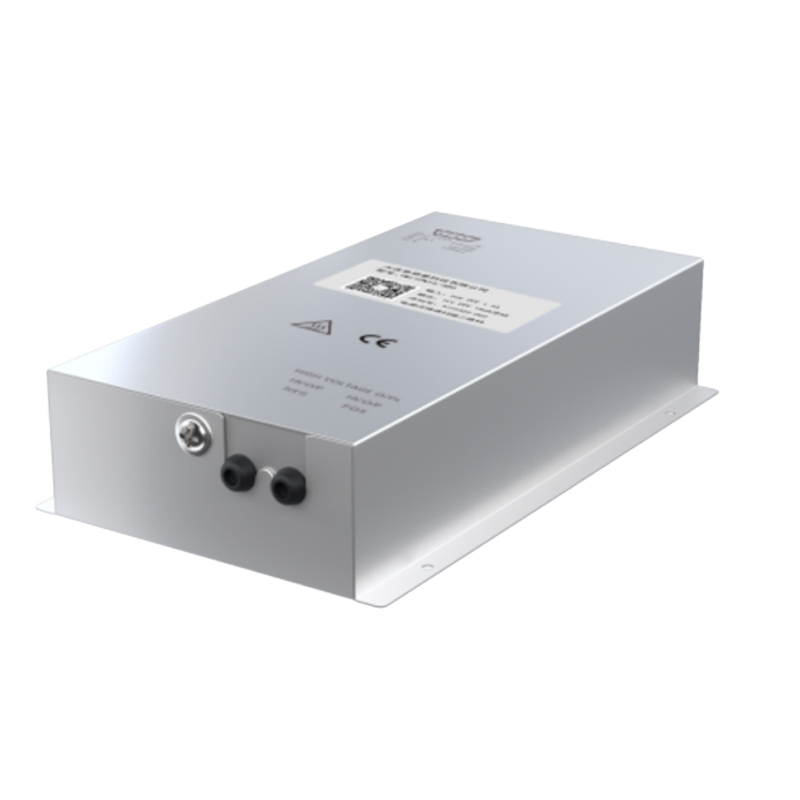
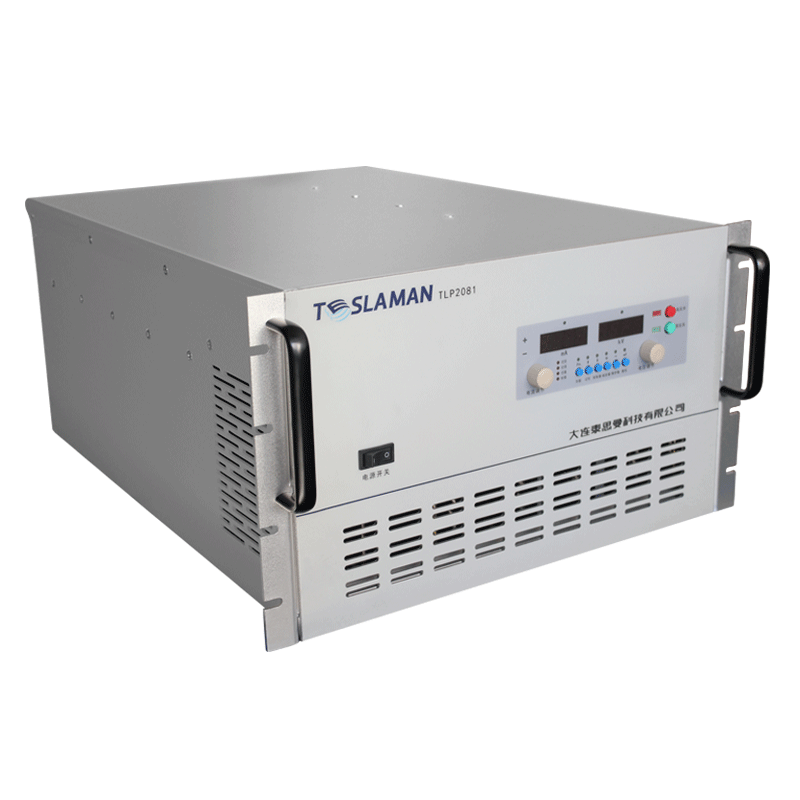
High voltage power supply requirements for micro-discharge experiments are demanding. The voltage range must cover the conditions of interest for discharge studies. Voltage stability must be sufficient for reproducible experiments. Voltage ramp capability enables controlled approach to discharge threshold. Current measurement sensitivity must detect the small currents associated with micro-discharges. The power supply must operate reliably in the vacuum environment.
Voltage control precision affects the quality of experimental data. Fine voltage adjustment enables precise determination of discharge thresholds. Voltage stability ensures consistent conditions during measurements. Voltage programming enables automated experimental sequences. The voltage control system must be calibrated for accuracy. Voltage ripple and noise must be minimized to avoid triggering premature discharge.
Current measurement at low levels is critical for micro-discharge detection. Pre-discharge currents may be in the nanoampere or microampere range. Current measurement bandwidth must capture transient discharge events. Current measurement accuracy affects the validity of experimental results. Electromagnetic interference must be minimized for sensitive measurements. The current measurement system must be integrated with the power supply.
Particle injection systems introduce dust particles into the experimental environment. Particle size distribution must be representative of interplanetary dust. Particle velocity must simulate the relative velocities encountered in space. Particle charging mechanisms must produce the appropriate charge states. The injection system must not contaminate the vacuum environment. Particle diagnostics verify the injected particle characteristics.
Electrode configuration affects the electric field distribution in the experimental chamber. Parallel plate configurations provide uniform fields for basic studies. Point-to-plane configurations create high field concentrations. Complex geometries simulate spacecraft surface features. The electrode materials affect surface emission characteristics. The electrode design must enable optical access for observation.
Diagnostic systems for micro-discharge experiments capture the discharge phenomena. Optical imaging records visible discharge events. Spectroscopic analysis identifies the species involved in discharge. Electrical measurements characterize the discharge current and voltage. Particle detection monitors dust behavior during experiments. The diagnostic systems must be synchronized for comprehensive data capture.
Data acquisition systems record experimental parameters and results. High-speed digitizers capture transient discharge waveforms. Data logging records the history of experimental conditions. Video recording documents visual observations. The data acquisition system must handle multiple data streams simultaneously. Data management supports analysis and archiving of experimental results.
Safety systems protect personnel and equipment during high voltage experiments. Interlocks prevent access to the high voltage area during operation. Emergency shutdown systems provide rapid power removal. Warning systems alert operators to hazardous conditions. Safety procedures must be followed for all experimental operations. The safety systems must be designed for the specific hazards of the experimental platform.
Calibration and validation ensure the reliability of experimental results. Voltage calibration verifies the accuracy of voltage measurements. Current calibration verifies the sensitivity of current measurements. Pressure calibration ensures accurate vacuum environment characterization. Particle characterization validates the dust simulation. Regular calibration maintains the integrity of experimental data.