Triggering of Explosive Switch High Voltage Power Supply for Quench Protection of Large Superconducting Magnet
Superconducting magnets store enormous energy in their magnetic fields during operation. A quench occurs when a portion of the superconductor transitions to normal resistive state. The stored energy converts to heat in the normal zone, potentially causing damage. Rapid protection systems must extract the stored energy to prevent magnet destruction. Explosive switches provide extremely fast current interruption for quench protection. The high voltage power supply that triggers the explosive switch must operate with absolute reliability. Understanding the triggering requirements enables design of effective protection systems.
Superconducting magnet energy storage scales with the square of the current and inductance. Large magnets may store hundreds of megajoules of energy. The stored energy must be dissipated safely during a quench. The dissipation rate depends on the protection system response time. Faster response limits the temperature rise in the normal zone. The protection system must be designed for the specific magnet characteristics.
Quench detection identifies the onset of the normal transition. Voltage detection compares voltages across different magnet sections. A resistive voltage indicates the normal zone development. Detection thresholds must balance sensitivity against false triggers. The detection time affects the total protection response time. Reliable detection is essential for effective protection.
Explosive switch operation provides ultra-fast current interruption. The switch contains an explosive charge that ruptures the current path. The interruption time can be microseconds or less. The rapid interruption forces the current into parallel protection circuits. The switch is a single-use device that must be replaced after operation. The reliability of explosive switches has been proven in many applications.
Triggering requirements for explosive switches are demanding. The trigger energy must be sufficient for reliable detonation. The trigger timing must be precise for coordinated protection. The trigger signal must be isolated from the high voltage environment. The trigger circuit must be immune to electromagnetic interference. The triggering system must have extremely high reliability.
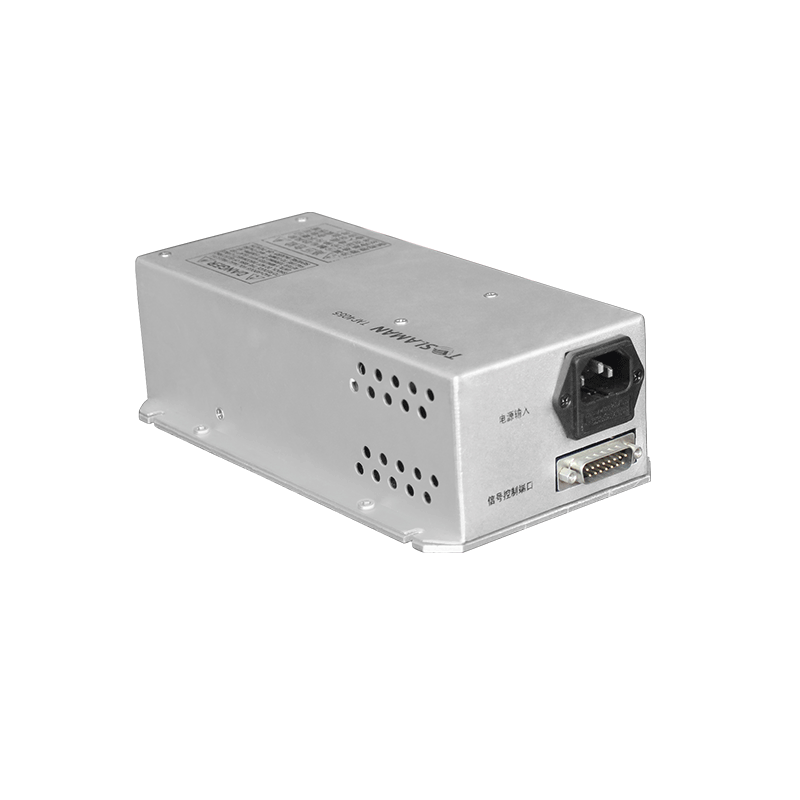
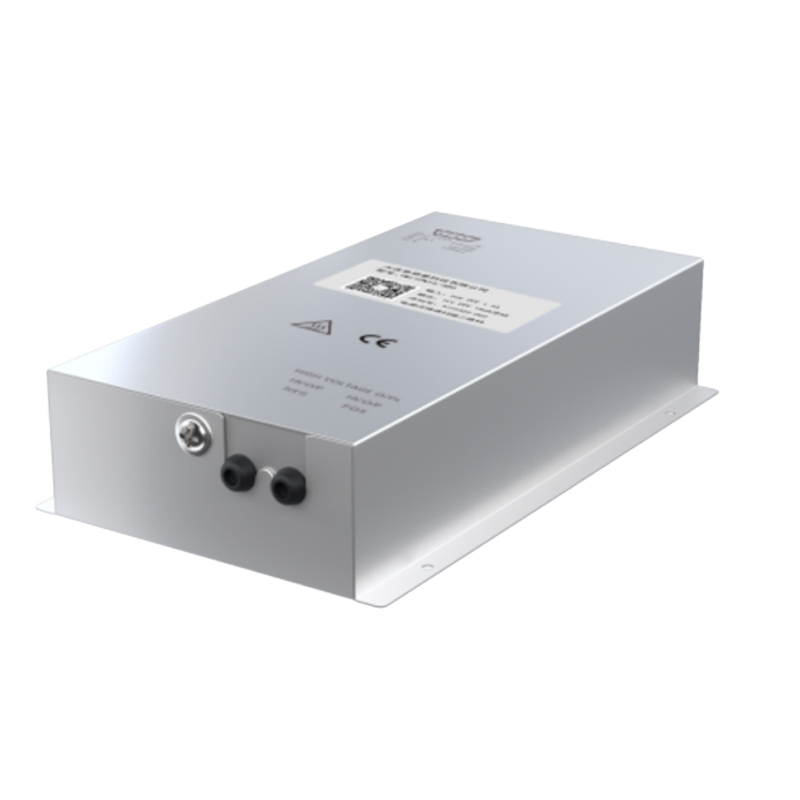
High voltage power supply design for trigger applications addresses multiple requirements. The output voltage must charge the trigger circuit to the required energy level. The voltage stability must be maintained until the trigger command. The energy storage must be adequate for reliable triggering. The charging time must be compatible with system operation. The power supply must operate reliably in the magnet environment.
Energy storage in the trigger circuit affects reliability. Capacitors store the energy for triggering. The capacitor voltage determines the stored energy. The capacitor must maintain charge over extended periods. The dielectric must be reliable under high voltage stress. Redundant energy storage may be required for critical applications.
Trigger signal generation initiates the explosive switch operation. The detection system provides the trigger command. The trigger circuit must respond rapidly to the command. The trigger signal must have adequate amplitude and duration. The signal path must be protected from interference. The trigger generation must be fail-safe.
Isolation requirements protect the trigger system from high voltage transients. Optical isolation provides electrical separation between circuits. Fiber optic links carry trigger signals without electrical connection. The isolation must withstand the voltage transients during switching. The isolation system must maintain signal integrity. Proper isolation prevents false triggering and protects control circuits.
Reliability analysis of the triggering system identifies potential failure modes. Failure mode and effects analysis evaluates each component. Redundancy addresses single point failures. Testing validates the reliability predictions. The reliability must be appropriate for the criticality of the application. The analysis guides design improvements.
Testing of explosive switch triggering systems requires specialized facilities. Functional testing verifies proper operation. Environmental testing validates performance under operating conditions. Electromagnetic compatibility testing ensures immunity to interference. Life testing verifies reliability over the service life. The test program must be comprehensive for critical applications.
Maintenance considerations for explosive switch systems affect operational planning. The explosive switch must be replaced after each operation. The trigger power supply requires periodic verification. The detection system needs regular calibration. Maintenance procedures must ensure continued reliability. The maintenance program must be appropriate for the application.
Safety considerations for explosive switch systems are paramount. The explosive charge requires appropriate handling and storage. Safety interlocks prevent accidental detonation. Personnel protection measures must be implemented. Safety procedures must be followed for all operations. The safety program must address all hazards associated with the system.