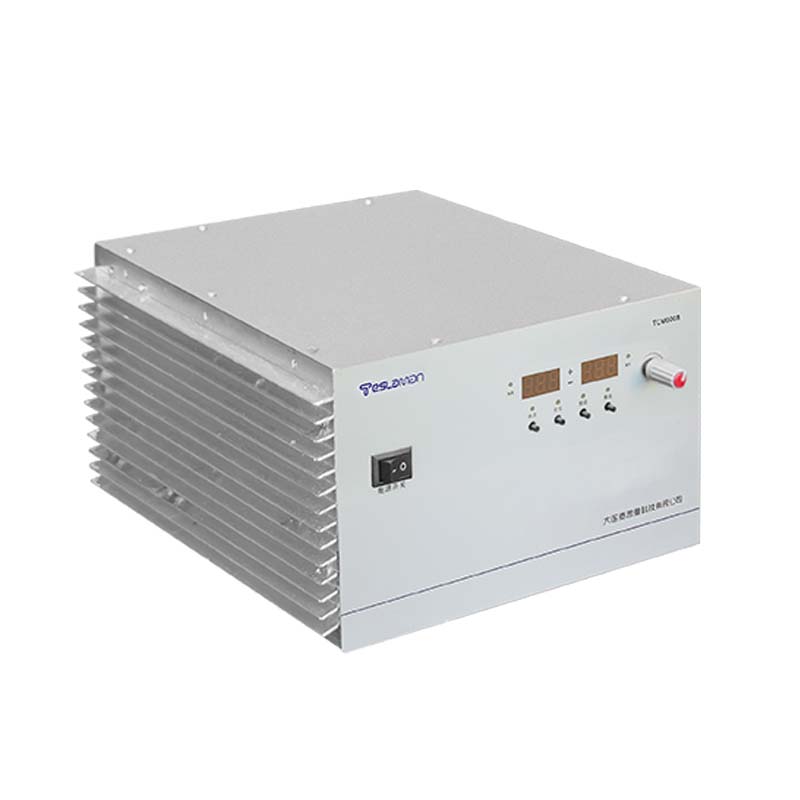
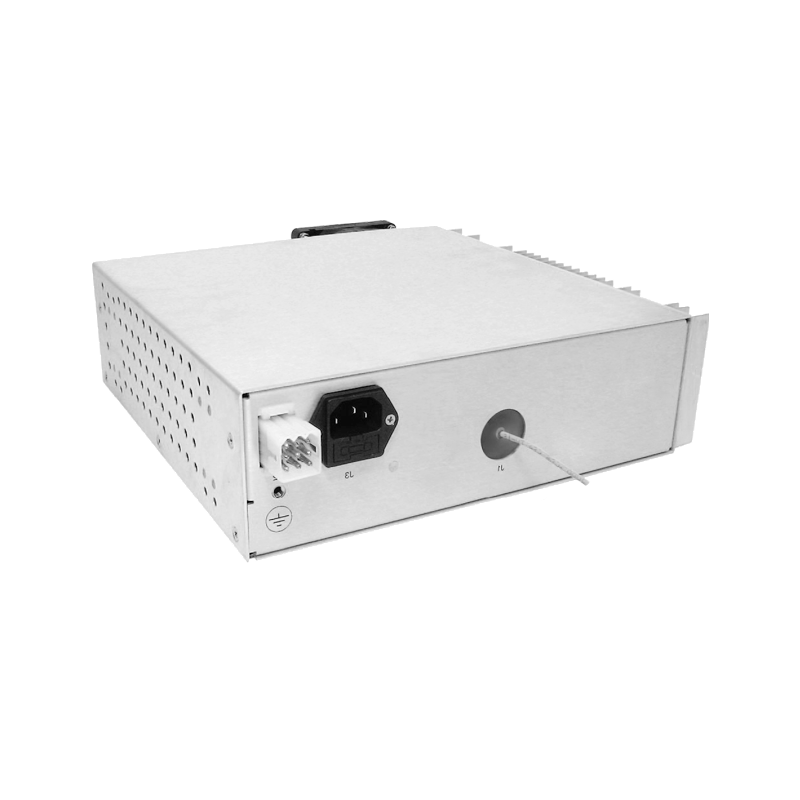
Production Capacity Matching of High Voltage Power Supply for Industrial Electrospinning Nanofiber Production Line
Electrospinning produces nanofibers with diameters ranging from tens to hundreds of nanometers. Industrial production of nanofibers requires high-throughput electrospinning systems. The high voltage power supply provides the electric field that drives the fiber formation process. Matching the power supply capacity to the production requirements is essential for efficient operation. Understanding the capacity matching requirements enables optimization of industrial electrospinning systems.
Electrospinning fundamentals involve electrohydrodynamic jet formation. A polymer solution is supplied to a spinneret. A high voltage applied to the spinneret creates an electric field. The field draws the solution into a fine jet. The jet undergoes stretching and solvent evaporation. The solidified fibers deposit on a collector. The fiber properties depend on the process parameters.
Production capacity for industrial electrospinning is measured in fiber mass per unit time. Laboratory systems may produce milligrams per hour. Industrial systems must produce kilograms per hour or more. The capacity scales with the number of spinnerets and the throughput per spinneret. The power supply must support the total capacity requirements. The capacity matching affects the system economics.
High voltage requirements for electrospinning are moderate. Typical operating voltages range from ten to fifty kilovolts. The voltage determines the electric field strength. The field strength affects the jet formation and fiber drawing. Multiple spinnerets may share a common power supply or have individual supplies. The power supply configuration affects the system flexibility.
Current requirements for electrospinning are relatively low. The current per spinneret is typically microamperes to milliamperes. The total current scales with the number of spinnerets. The power supply must provide adequate current for all spinnerets. Current monitoring can indicate process status. The current capability must match the production scale.
Multi-spinneret configurations enable high-throughput production. Linear arrays of spinnerets span the production width. Multiple rows can increase the capacity further. Spinneret spacing affects the jet interaction and fiber uniformity. The power supply must accommodate the multi-spinneret configuration. The configuration design affects the capacity scaling.
Power supply architecture for multi-spinneret systems requires consideration. A single supply simplifies the system but limits flexibility. Multiple supplies enable independent control of spinneret groups. Individual supplies for each spinneret provide maximum flexibility. The architecture affects the system cost and complexity. The architecture must support the production requirements.
Voltage stability affects the fiber uniformity. Voltage fluctuations cause variations in fiber diameter. The stability requirements depend on the fiber quality specifications. The power supply must maintain stable voltage under varying load conditions. Regulation specifications must be appropriate for the application. Stable voltage enables consistent fiber production.
Ripple and noise in the high voltage affect the process. Excessive ripple can cause jet instability. Noise can create variations in fiber properties. The power supply must have low ripple and noise. Filtering may be required for sensitive applications. The ripple specification must be appropriate for the fiber requirements.
Load characteristics of electrospinning systems vary during operation. The spinneret impedance depends on the solution properties. The impedance changes as the solution is consumed. Environmental conditions affect the load characteristics. The power supply must accommodate the load variations. The regulation must maintain performance across the operating range.
Thermal management in industrial systems is important. The power supply generates heat during operation. High ambient temperatures in production facilities stress cooling. The cooling system must handle the thermal load. Temperature monitoring protects against overheating. The thermal design must support continuous operation.
Reliability requirements for industrial production are demanding. Production downtime has significant economic impact. The power supply must operate reliably over extended periods. Maintenance intervals must be appropriate for production schedules. Redundancy may be required for critical applications. The reliability design must match the production criticality.
Capacity planning for production scale-up requires careful analysis. The power supply capacity must match the planned production. Expansion capability should be considered in the initial design. Modular power supplies enable incremental capacity addition. The capacity planning must account for future growth. Proper planning avoids capacity bottlenecks.
Energy efficiency affects the production economics. Higher efficiency reduces operating costs. The efficiency affects the thermal management requirements. Energy-efficient designs may have higher initial costs. The life-cycle cost must be considered in the selection. Efficiency optimization improves the production economics.