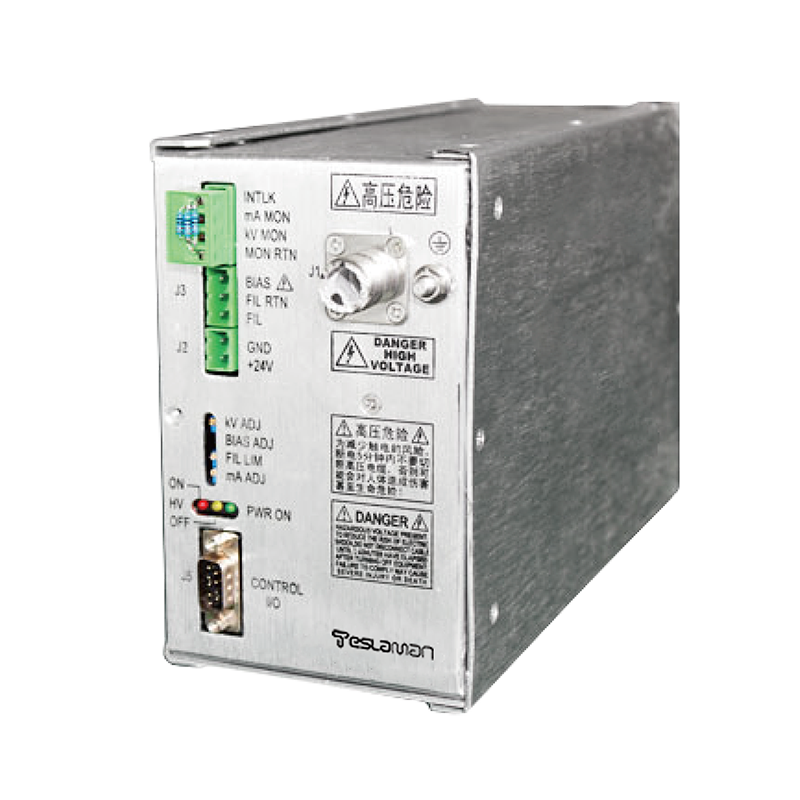
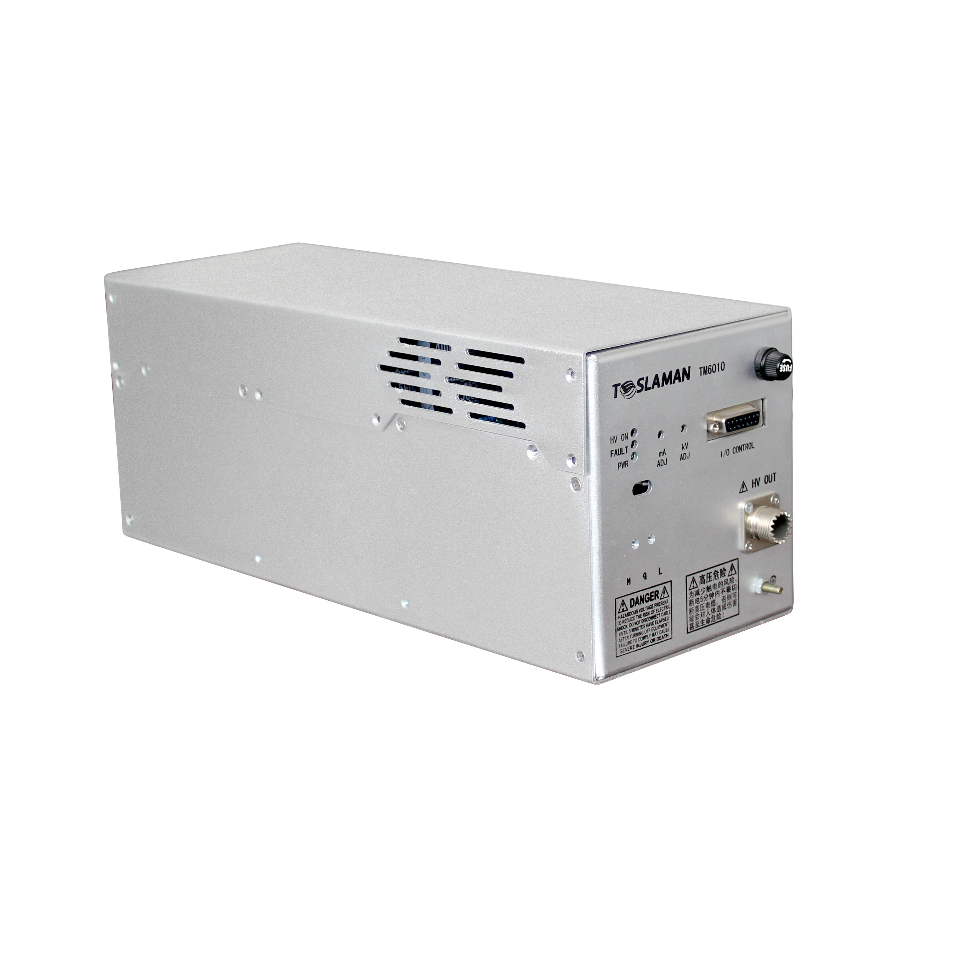
Suppression of Long-term Micro-current Drift of High Voltage Power Supply for Field Emission Gun in Transmission Electron Microscope
Transmission electron microscopes achieve atomic resolution through the use of field emission electron sources. The field emission gun requires extremely stable high voltage for consistent electron emission. Micro-current drift in the high voltage power supply causes instability in the electron beam. Long-term drift must be suppressed for stable imaging and analysis. Understanding the drift mechanisms enables development of highly stable power supplies for electron microscopy.
Field emission gun operation principles involve electron extraction by high electric fields. A sharp tip is biased at high negative voltage. The electric field at the tip surface reaches several volts per nanometer. Electrons tunnel through the potential barrier into vacuum. The emission current depends exponentially on the field strength. The emission stability depends on the voltage stability.
High voltage requirements for field emission guns are demanding. Typical voltages range from tens to hundreds of kilovolts. The voltage determines the electron energy and wavelength. The voltage stability affects the beam energy spread. The voltage ripple affects the beam coherence. The power supply must provide exceptional stability.
Micro-current drift refers to slow changes in the output current. The drift may be caused by component aging. The drift may be caused by temperature changes. The drift may be caused by insulation degradation. The drift may be caused by surface contamination. The drift mechanisms must be understood for effective suppression.
Temperature effects on power supply stability are significant. Component parameters change with temperature. The reference voltage has temperature coefficient. The feedback components have temperature sensitivity. The insulation resistance changes with temperature. The temperature must be controlled or compensated.
Component aging effects cause long-term drift. Resistors change value with time under voltage stress. Capacitors degrade with operating time. Semiconductors experience parameter shifts. The aging rates depend on the stress levels. The component selection must consider aging effects.
Insulation degradation affects the leakage current. High voltage insulation can degrade over time. Surface contamination increases leakage. Bulk degradation increases conductivity. The leakage current affects the output stability. The insulation must be designed for long-term stability.
Reference voltage stability is critical for output stability. The reference determines the output voltage accuracy. Temperature drift causes output drift. Long-term drift causes gradual output change. Noise on the reference causes output noise. Ultra-stable references are essential for field emission applications.
Feedback control design affects the drift performance. The feedback gain determines the regulation accuracy. The feedback components affect the stability. The control bandwidth affects the response to disturbances. The feedback design must minimize drift contributions. The control must be stable under all conditions.
Thermal management affects the long-term stability. Temperature variations cause drift. The thermal design must minimize temperature variations. Temperature compensation may be required. The operating environment must be controlled. The thermal design must support the stability requirements.
Environmental control reduces external drift sources. Ambient temperature must be stable. Humidity affects the insulation properties. Vibration can cause mechanical drift. Electromagnetic interference can cause electrical noise. The environment must be controlled for optimal stability.
Calibration and adjustment compensate for residual drift. Periodic calibration corrects for long-term drift. Automatic calibration can be implemented. The calibration interval depends on the drift rate. The calibration must be traceable to standards. The calibration procedure must be appropriate for the application.
Measurement of micro-current drift requires specialized techniques. High sensitivity current measurement is needed. Long measurement times are required. Temperature must be controlled during measurement. The measurement system must have adequate stability. The measurement uncertainty must be appropriate for the drift magnitude.
Design improvements for drift suppression include several approaches. Low-drift components minimize the intrinsic drift. Temperature compensation corrects for temperature effects. Feedback from emission current enables active stabilization. Regular maintenance prevents degradation accumulation. The design must address all significant drift mechanisms.