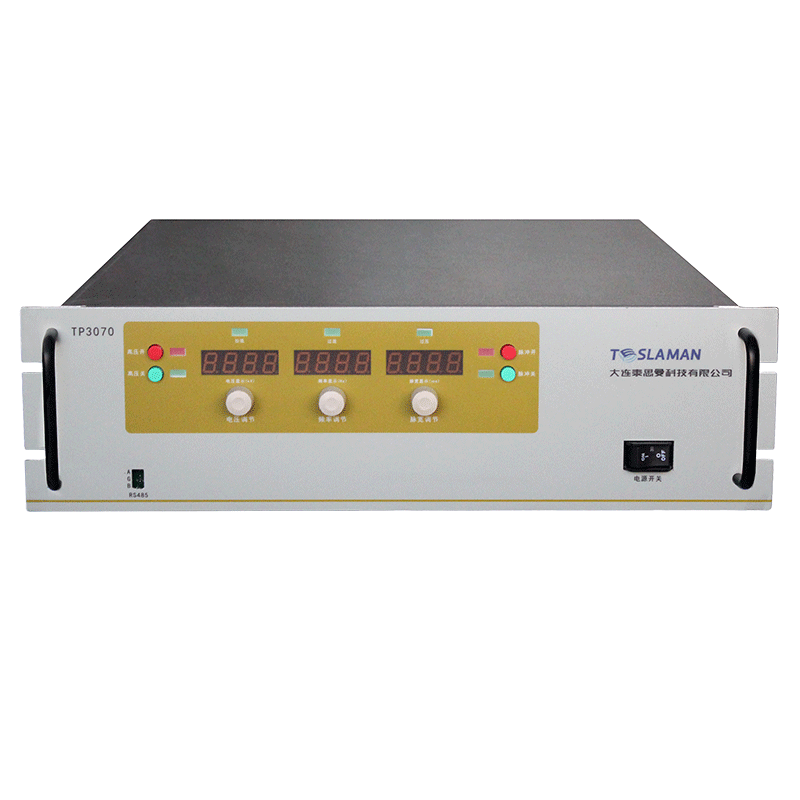
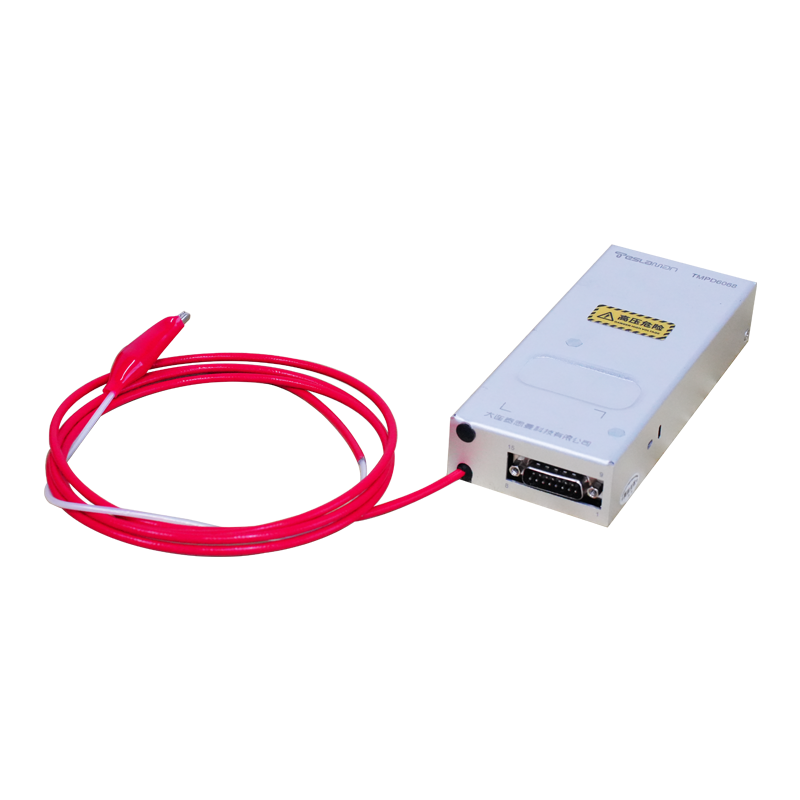
Independent Regulation of Core and Sheath Fluid High Voltage Power Supply in Coaxial Electrospinning Device
Coaxial electrospinning enables production of core-shell nanofibers for advanced applications. The process uses two concentric fluid streams that are electrospun together. High voltage power supplies provide the electric field that drives the electrospinning process. Independent regulation of the core and sheath fluid power supplies enables control of the fiber structure. Understanding the regulation requirements enables optimization of coaxial electrospinning.
Coaxial electrospinning fundamentals involve dual fluid jet formation. A core fluid is supplied through an inner capillary. A sheath fluid surrounds the core through an outer annulus. The combined fluid is subjected to an electric field. The field draws the fluids into a compound jet. The jet solidifies into a core-shell fiber.
Core-shell fiber structures enable various applications. Drug delivery uses the core for drug encapsulation. Controlled release uses the shell as a barrier. Protective coatings use the shell for environmental protection. Functional fibers use different materials for different functions. The structure control is critical for the application.
High voltage requirements for electrospinning are moderate. Typical voltages range from ten to fifty kilovolts. The voltage determines the electric field strength. The field strength affects the jet formation. The voltage must be stable for consistent fiber formation. The power supply must provide adequate current.
Independent regulation requirements arise from the dual fluid system. The core and sheath fluids may have different properties. Different viscosities require different field conditions. Different conductivities require different voltage levels. Independent control enables optimization for each fluid. The independence must be maintained throughout the process.
Core fluid regulation affects the core formation. The core viscosity affects the jet stability. The core conductivity affects the charge carrying. The core flow rate affects the core diameter. The core voltage affects the core jet formation. The core regulation must be optimized for the core material.
Sheath fluid regulation affects the shell formation. The sheath viscosity affects the jet stability. The sheath conductivity affects the charge carrying. The sheath flow rate affects the shell thickness. The sheath voltage affects the sheath jet formation. The sheath regulation must be optimized for the sheath material.
Interaction between core and sheath affects the fiber structure. The relative flow rates determine the core-to-shell ratio. The relative voltages affect the jet dynamics. The interface stability affects the core-shell structure. The interaction must be understood and controlled. The coordination between supplies affects the structure.
Power supply architecture for independent regulation requires consideration. Separate supplies provide complete independence. A single supply with voltage division provides limited independence. The architecture must support the required control. The supplies must not interfere with each other. The architecture must be practical for the application.
Voltage stability affects the fiber consistency. Voltage fluctuations cause diameter variations. The stability must be adequate for the application. The regulation must maintain stable voltage. The stability requirements depend on the fiber specifications. The power supplies must provide stable output.
Current monitoring provides process insight. The current indicates the jet stability. Current variations indicate process changes. The monitoring enables process control. The current data support troubleshooting. The monitoring must have adequate sensitivity.
Flow rate coordination with voltage control affects the process. The flow rate and voltage must be coordinated. The coordination affects the fiber diameter. The coordination affects the core-shell ratio. The flow control must be integrated with voltage control. The coordination must be maintained throughout the process.
Process monitoring enables quality control. Fiber diameter measurement indicates the process consistency. Core-shell structure verification confirms the fiber quality. The monitoring enables feedback control. The monitoring data support optimization. The monitoring must be comprehensive.
Optimization of independent regulation requires systematic approach. Design of experiments enables efficient exploration. Fiber characterization measures the relevant properties. The optimization must consider all variables. The methodology must be practical for development. The optimization must be validated with production conditions.
Scale-up considerations affect the production implementation. Laboratory results may not directly translate to production. Multiple spinnerets may require coordinated supplies. The throughput must match production requirements. The scale-up must be validated through pilot testing. The independent regulation must be maintained at scale.