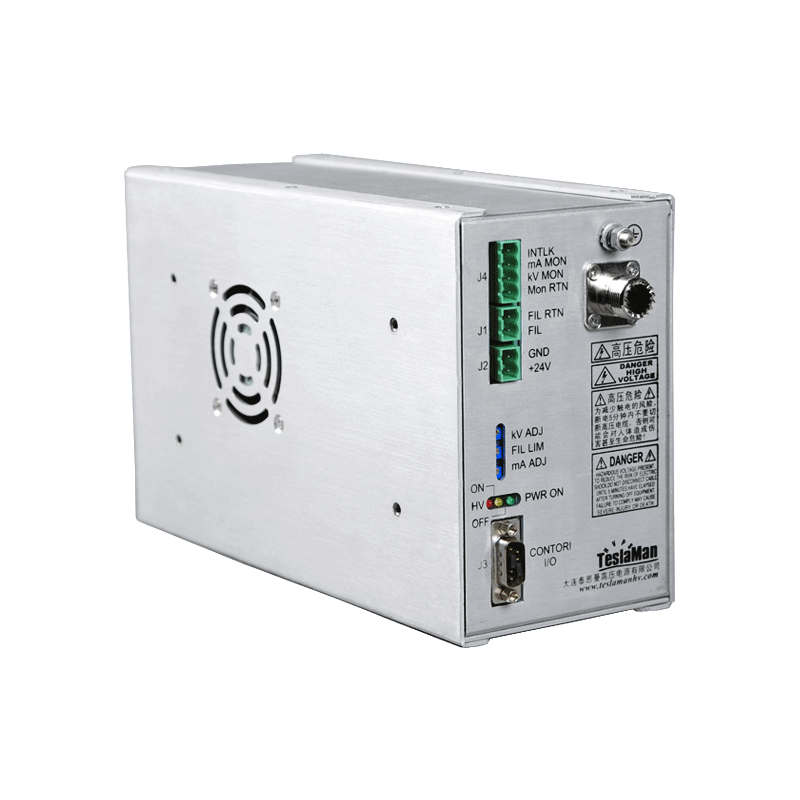
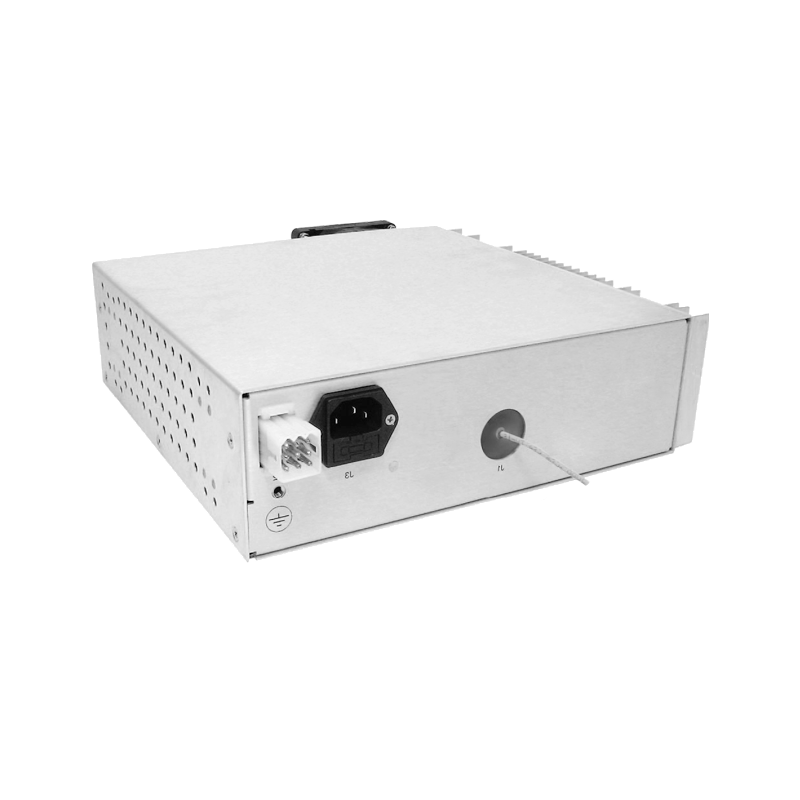
Closed-loop Feedback Anti-interference Design of Tube Voltage and Tube Current for Industrial CT High Voltage Power Supply
Industrial computed tomography enables non-destructive inspection of internal structures. The X-ray tube requires precise control of voltage and current for optimal imaging. The high voltage power supply must maintain stable output despite electrical interference. Closed-loop feedback control enables robust regulation. Understanding the anti-interference requirements enables development of reliable CT power supplies.
Industrial CT fundamentals involve X-ray generation and detection. The X-ray tube converts electrical energy to X-rays. The tube voltage determines the X-ray energy spectrum. The tube current determines the X-ray intensity. The detector measures the transmitted X-rays. The image quality depends on the X-ray characteristics.
Tube voltage requirements for CT are demanding. Typical voltages range from tens to hundreds of kilovolts. The voltage determines the penetration capability. The voltage stability affects the image quality. Voltage ripple causes image artifacts. The power supply must provide stable voltage.
Tube current requirements for CT are also demanding. Typical currents range from milliamperes to tens of milliamperes. The current determines the X-ray flux. The current stability affects the image consistency. Current variations cause image artifacts. The power supply must provide stable current.
Interference sources in industrial environments are numerous. Power line disturbances affect the input power. Load variations affect the output regulation. Electromagnetic interference affects the control circuits. Ground loops introduce noise. The interference must be addressed for reliable operation.
Closed-loop feedback control principles involve error correction. The output is compared to the reference. The error drives the correction. The feedback maintains the output at the desired value. The feedback compensates for disturbances. The feedback must be stable and responsive.
Voltage feedback control regulates the tube voltage. A voltage divider samples the output voltage. The feedback compares the sample to the reference. The error adjusts the power stage. The feedback maintains the voltage constant. The voltage feedback must be accurate and stable.
Current feedback control regulates the tube current. A current sensor measures the tube current. The feedback compares the measurement to the reference. The error adjusts the current control. The feedback maintains the current constant. The current feedback must be accurate and responsive.
Anti-interference design for voltage feedback requires several measures. Filtering attenuates the noise on the feedback signal. Shielding protects the feedback circuits from interference. Grounding prevents ground loop currents. The design must address all interference paths. The anti-interference must be effective.
Anti-interference design for current feedback also requires attention. The current measurement is sensitive to interference. The measurement circuit must be shielded. The signal conditioning must filter noise. The current feedback must be immune to interference. The design must ensure reliable measurement.
Control loop bandwidth affects the interference rejection. Higher bandwidth rejects more interference. However, high bandwidth can cause instability. The bandwidth must be optimized for the application. The bandwidth must be appropriate for the interference spectrum. The bandwidth must be stable under all conditions.
Digital control enables sophisticated anti-interference techniques. Digital filtering can be tailored to the interference. Adaptive control can adjust to changing conditions. The digital controller can implement complex algorithms. The digital approach provides flexibility. The digital control must be reliable.
Redundant feedback improves the reliability. Multiple sensors can provide backup measurement. Voting logic can select the valid signal. The redundancy prevents single-point failures. The redundancy must be designed for the criticality. The redundancy improves the overall reliability.
Testing of anti-interference capability requires specialized methods. Interference injection tests the immunity. The interference is applied at various levels. The performance is monitored for degradation. The testing verifies the design margins. The testing must be comprehensive.
Validation of closed-loop performance requires comprehensive testing. Step response tests the dynamic behavior. Load transient tests the regulation. Interference tests the immunity. Long-term tests the stability. The validation must cover all operating conditions. The validation confirms the design approach.