Radiation Protection and Safety Interlock of High Voltage Power Supply in Medical Device Electron Beam Sterilization Workshop
Medical device sterilization using electron beam technology provides rapid and effective microbial inactivation. The high voltage power supply that accelerates the electron beam generates significant X-ray radiation as a byproduct. Radiation protection measures and safety interlock systems are essential for protecting personnel and ensuring regulatory compliance. Understanding the protection and interlock requirements enables design of safe sterilization facilities.
Electron beam sterilization fundamentals involve high-energy electron bombardment. Electrons are accelerated to high energy by the high voltage power supply. The electron beam is scanned across the product to be sterilized. The electrons penetrate the product and inactivate microorganisms. The process is rapid and requires no chemical sterilants. The sterilization effectiveness depends on the electron energy and dose.
Radiation generation during electron beam operation is significant. When high-energy electrons strike materials, they produce bremsstrahlung X-rays. The X-ray intensity depends on the electron energy and target material. The X-rays can penetrate shielding and pose radiation hazards. The radiation protection must address both the primary beam and the secondary X-rays. The protection design must be comprehensive.
High voltage power supply radiation sources include several components. The electron accelerator generates the primary electron beam. The beam window produces X-rays when electrons exit the vacuum. The product being sterilized produces scattered radiation. The conveyor system may produce additional radiation. Each source must be characterized and shielded.
Shielding design principles involve attenuation of radiation. Lead and steel provide effective X-ray attenuation. Concrete provides economical shielding for large areas. The shielding thickness depends on the radiation energy and intensity. The shielding must cover all potential radiation paths. The design must include safety margins for operational variations.
Shielding effectiveness calculations require accurate source characterization. The electron energy determines the maximum X-ray energy. The beam current determines the radiation intensity. The target material affects the X-ray spectrum. The geometry affects the radiation distribution. The calculations must be validated through measurement.
Safety interlock functions prevent accidental radiation exposure. Access controls prevent entry during beam operation. Door interlocks shut down the beam when doors are opened. Emergency stop buttons provide rapid shutdown capability. Warning lights indicate the operational status. The interlocks must be fail-safe and reliable.
Interlock system architecture must be robust and redundant. Multiple independent interlocks provide defense in depth. The interlocks must be wired in fail-safe configurations. The interlock status must be monitored continuously. The interlock system must be tested regularly. The architecture must prevent bypass or defeat.
Access control systems manage personnel entry. Radiation badges monitor individual exposure. Training ensures personnel understand the hazards. Procedures control access to the radiation area. The access control must be integrated with the interlock system. The access control must be documented and enforced.
Radiation monitoring systems verify the protection effectiveness. Area monitors measure the radiation levels in occupied areas. Personal dosimeters measure individual exposure. The monitoring data must be recorded and reviewed. Alarms must alert personnel to elevated levels. The monitoring must be continuous during operation.
Regulatory compliance requires comprehensive documentation. Shielding calculations must be documented and reviewed. Interlock testing must be documented. Personnel training must be documented. Radiation surveys must be performed and documented. The documentation must support regulatory inspection.
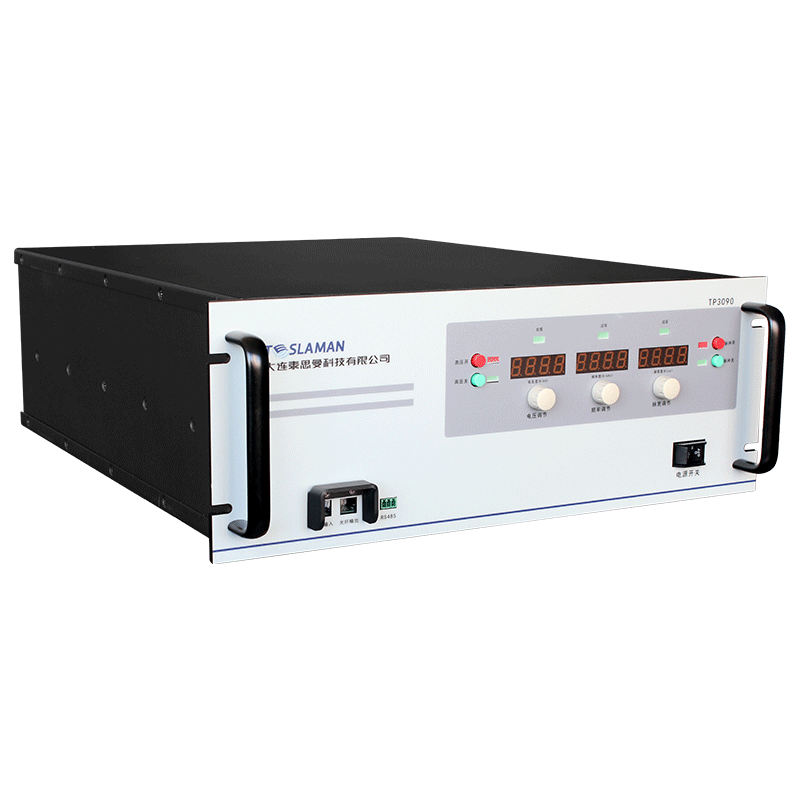
High voltage power supply design for radiation safety includes several considerations. The power supply must be designed to shut down rapidly on interlock activation. The power supply must not generate excessive radiation during normal operation. The power supply must be shielded appropriately. The power supply must be designed for reliability to prevent unintended operation. The design must support the overall safety system.
Maintenance considerations for safety systems are critical. Shielding must be maintained in good condition. Interlocks must be tested regularly. Monitoring equipment must be calibrated. Procedures must be followed consistently. The maintenance must be documented and verified.
Emergency procedures must be established and practiced. Personnel must know how to respond to radiation alarms. Personnel must know how to perform emergency shutdown. Emergency procedures must be posted clearly. Drills must verify the emergency response. The emergency procedures must be integrated with facility emergency plans.
Quality assurance programs ensure continued safety. Regular audits verify compliance with procedures. Incident investigations identify improvement opportunities. Corrective actions address identified deficiencies. The quality assurance must be continuous. The program must support continuous improvement.