Effect of High Voltage Power Supply on Laser Pulse Width Stability in Wind Measurement Lidar System
Wind measurement lidar systems provide remote sensing of atmospheric wind profiles. The laser pulse characteristics determine the measurement accuracy and resolution. The high voltage power supply powers the laser system and affects the pulse stability. Understanding the power supply effects on laser stability enables development of accurate lidar systems.
Lidar wind measurement principles involve Doppler shift detection. A laser pulse is transmitted into the atmosphere. The pulse scatters off aerosol particles. The scattered light is Doppler shifted by particle motion. The frequency shift indicates the wind velocity. The measurement accuracy depends on the laser characteristics.
Laser pulse width importance for wind measurement is significant. The pulse width determines the range resolution. Shorter pulses provide better resolution. The pulse width affects the measurement accuracy. The pulse width must be stable for consistent measurements. The stability requirements depend on the application.
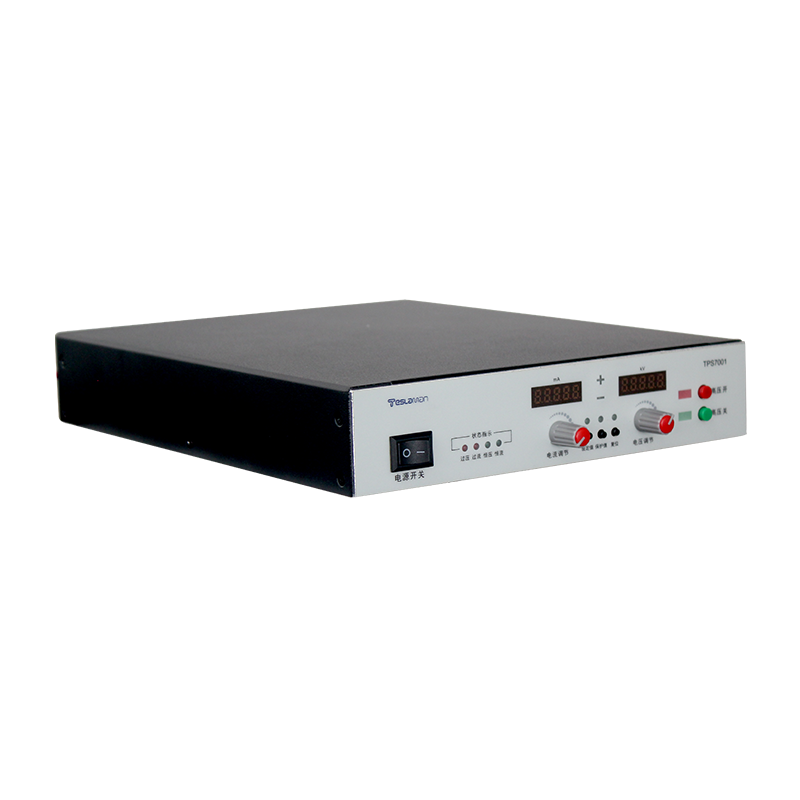
High voltage power supply functions in laser systems include several roles. The power supply provides voltage for the laser pump source. The power supply may provide voltage for Q-switching. The power supply may provide voltage for modulation. The power supply stability affects the laser output. The power supply must meet the laser requirements.
Voltage stability effects on laser pulse width are important. Voltage variations affect the pump power. Pump power variations affect the laser dynamics. The pulse width depends on the laser dynamics. Voltage stability affects the pulse width stability. The stability must be appropriate for the measurement.
Ripple and noise effects on laser performance require attention. Voltage ripple causes pump power modulation. The modulation affects the laser pulse characteristics. High-frequency noise can cause pulse timing jitter. The ripple and noise must be minimized. The specifications must be appropriate for the laser.
Temperature effects on power supply stability are significant. Temperature variations cause component drift. The drift affects the output voltage. The voltage drift affects the laser. Temperature control may be required. The thermal design must support the stability.
Load regulation effects on laser operation are important. The laser load varies during operation. The load variations affect the power supply output. The regulation must maintain stable voltage. The regulation must be adequate for the load variations. The regulation affects the pulse stability.
Transient response affects the laser turn-on behavior. The laser may have rapid turn-on requirements. The power supply must respond quickly. The transient response affects the initial pulse characteristics. The response must be appropriate for the laser. The transient must not cause overshoot.
Electromagnetic compatibility is important for sensitive measurements. The power supply generates electromagnetic interference. The interference can affect the detection electronics. The EMI must be minimized. Shielding and filtering must be effective. The compatibility must be verified.
Pulse-to-pulse stability requirements are demanding. Each pulse must have consistent characteristics. The stability affects the measurement accuracy. The stability must be maintained over time. The stability requirements depend on the application. The power supply must support the stability.
Long-term stability affects the measurement reliability. The power supply must be stable over extended operation. Drift can cause measurement errors. The long-term stability must be characterized. Calibration may be required periodically. The stability must meet the requirements.
Environmental considerations affect the lidar operation. The lidar may operate in varying conditions. Temperature and humidity vary with weather. The power supply must accommodate the variations. The environmental design must be robust. The equipment must be reliable.
Validation of power supply effects requires systematic testing. Pulse width measurement verifies the stability. Correlation with power supply parameters identifies effects. Long-term testing verifies the reliability. The testing must be comprehensive. The validation must confirm the design approach.