Combined Design of Software Simulation and Hardware Experiment for Open Teaching High Voltage Power Supply
High voltage power supply education requires both theoretical understanding and practical experience. Open teaching power supplies enable students to learn through hands-on experimentation. Software simulation provides safe and flexible learning opportunities. Hardware experiments provide real-world experience. Combining both approaches enhances the educational effectiveness. Understanding the design requirements enables development of effective teaching systems.
Educational objectives for high voltage power supply courses include multiple goals. Students must understand the fundamental principles. Students must learn the design methods. Students must develop practical skills. Students must understand safety practices. The teaching system must support all objectives.
Open teaching power supply requirements are unique. The power supply must be safe for student use. The power supply must be accessible for study. The internal operation must be visible. The parameters must be adjustable. The power supply must be robust against misuse.
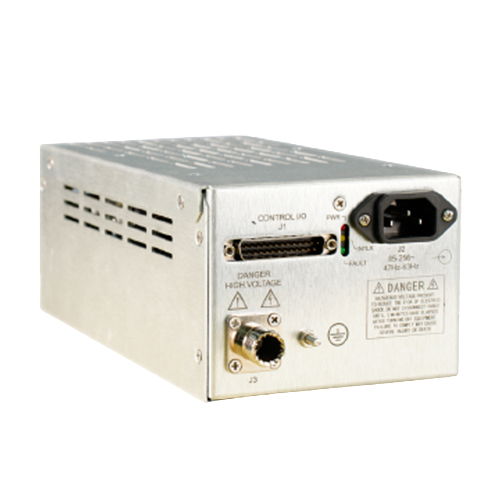
Safety considerations for teaching power supplies are paramount. The output voltage must be limited to safe levels. Current limiting must prevent hazardous currents. Interlocks must prevent unsafe operation. Warning systems must indicate hazards. The safety design must be comprehensive.
Software simulation advantages include several benefits. Simulation provides safe exploration of parameters. Simulation enables study of dangerous conditions. Simulation provides immediate visualization. Simulation allows rapid iteration. Simulation complements hardware experience.
Simulation software requirements for education include specific features. The software must model the power supply accurately. The interface must be intuitive for students. The visualization must be clear. The software must be reliable. The software must support the learning objectives.
Hardware experiment advantages include real-world experience. Hardware provides actual measurements. Hardware reveals practical issues. Hardware develops hands-on skills. Hardware builds confidence. Hardware experience is essential.
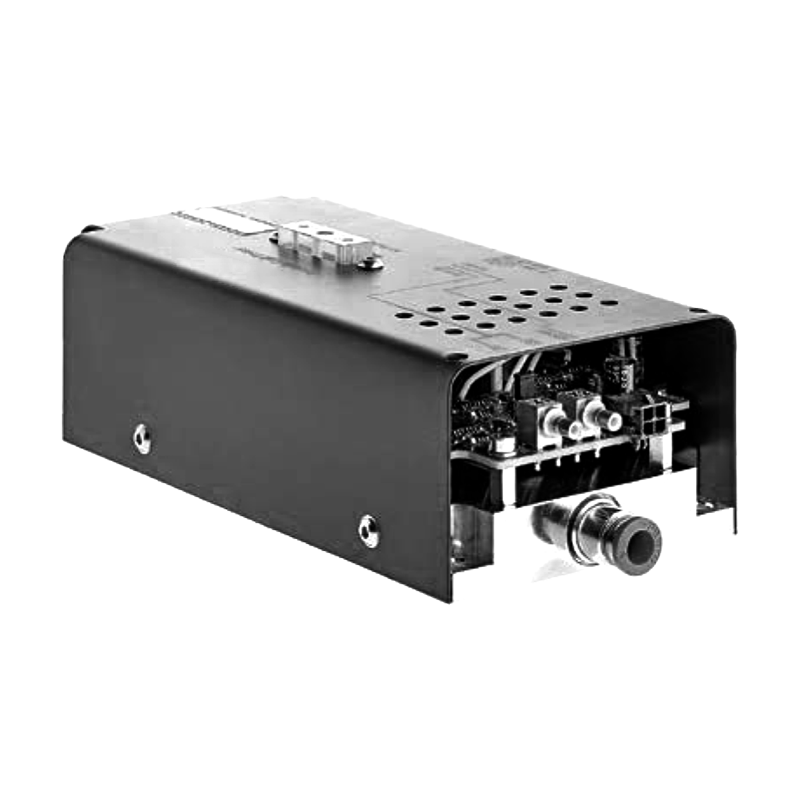
Hardware design for teaching must be appropriate. The power supply must be safe. The construction must be visible. The components must be accessible. The design must be robust. The hardware must support the curriculum.
Integration of simulation and hardware enhances learning. The simulation prepares students for hardware work. The hardware validates the simulation results. The combination provides comprehensive understanding. The integration must be seamless. The integration must support the pedagogy.
Laboratory exercises must be carefully designed. The exercises must address specific learning objectives. The exercises must progress in complexity. The exercises must be safe. The exercises must be engaging. The exercises must be achievable.
Assessment methods must evaluate learning outcomes. Written tests assess theoretical understanding. Laboratory reports assess practical skills. Design projects assess integration capability. The assessment must be comprehensive. The assessment must be fair.
Instructor support materials enhance teaching effectiveness. Instructor guides provide teaching suggestions. Solution manuals provide exercise answers. Presentation materials support lectures. The support materials must be comprehensive. The materials must be practical.
Student support materials enhance learning efficiency. Textbooks provide theoretical background. Laboratory manuals provide exercise instructions. Reference materials provide additional information. The support materials must be clear. The materials must be accessible.
Maintenance of teaching equipment is important. The equipment must be maintained in working condition. Calibration must be verified. Safety systems must be tested. The maintenance must be regular. The maintenance program must support the teaching mission.