Experimental Study on Effect of High Voltage Electrostatic Assisted Freeze Drying on Food Quality
Freeze drying, also known as lyophilization, is a preservation method that removes water from frozen food products through sublimation under vacuum conditions. This process produces high-quality dried products with excellent retention of flavor, nutrients, and structure. Recent research has explored the application of high voltage electrostatic fields during freeze drying as a means to improve process efficiency and product quality. Understanding the effects of electrostatic assisted freeze drying on food quality requires systematic experimental investigation.
The principle of electrostatic assisted freeze drying involves applying a high voltage electrostatic field to the product during the sublimation process. The electric field creates forces on polar molecules, including water molecules, potentially enhancing the sublimation rate. The field may also affect the ice crystal structure during freezing and the movement of water vapor during sublimation. These effects could reduce drying time, improve energy efficiency, and affect the quality attributes of the dried product.
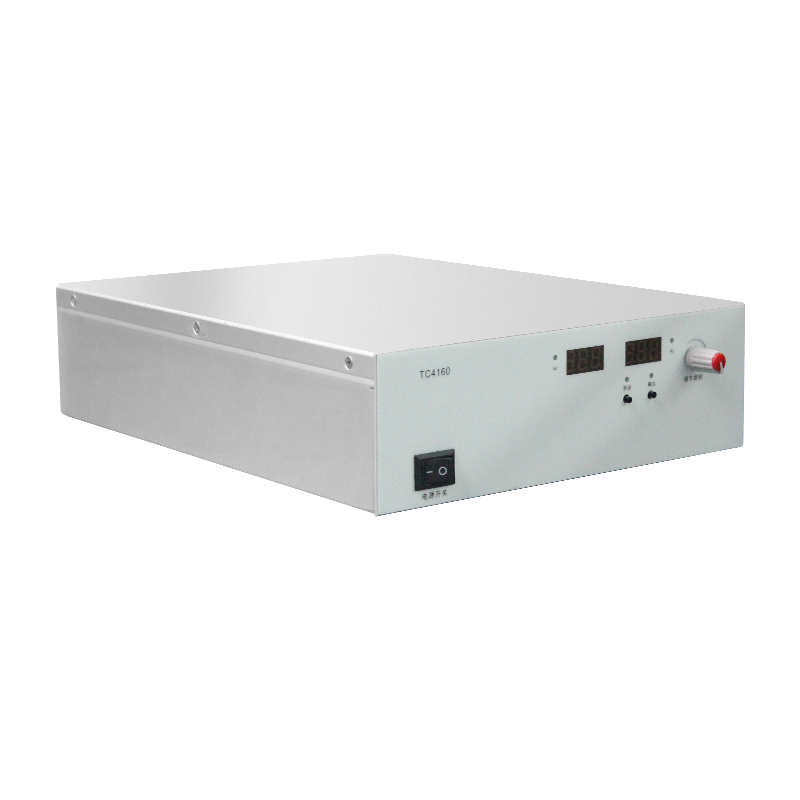
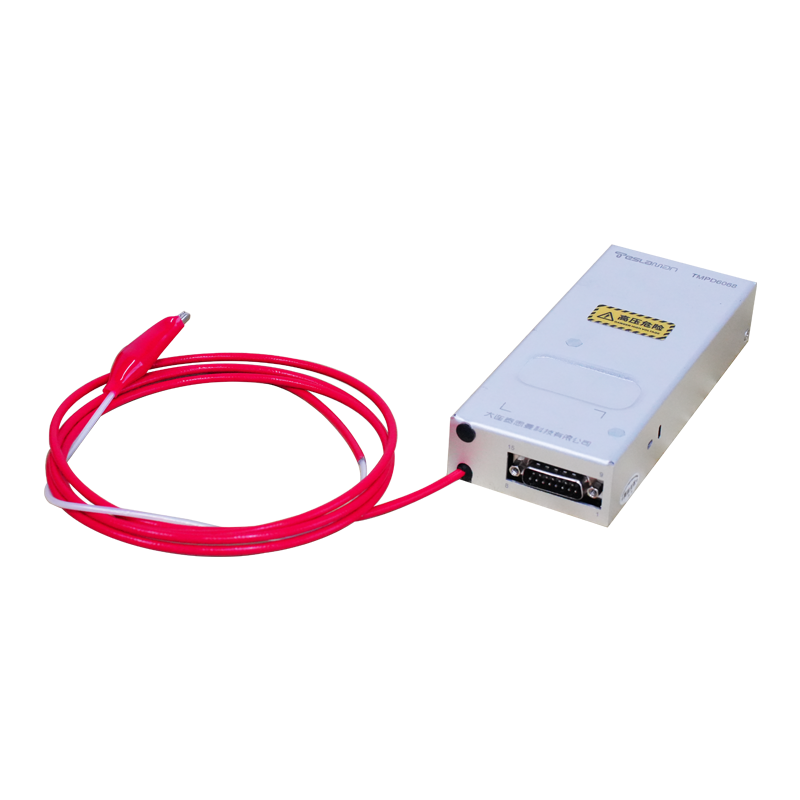
The experimental setup for electrostatic assisted freeze drying requires integration of high voltage electrodes with a freeze dryer. The electrodes are positioned to create an electric field through the product bed without interfering with the vacuum system or temperature control. The high voltage power supply must provide stable voltage output with minimal ripple and noise. Safety interlocks prevent operator exposure to high voltage during operation. The system design must accommodate the unique requirements of freeze drying while enabling controlled application of the electrostatic field.
Drying rate is a primary parameter affected by electrostatic assistance. Experimental measurements compare the sublimation rate with and without the applied field under otherwise identical conditions. The drying rate is typically determined by weighing the product at intervals or by measuring the amount of ice removed from the condenser. Faster drying reduces processing time and energy consumption, improving the economics of freeze drying operations.
Product temperature during drying affects quality attributes such as nutrient retention and structural integrity. The electrostatic field may influence the temperature distribution within the product by affecting the sublimation dynamics. Temperature measurements at various locations within the product characterize the thermal behavior during electrostatic assisted drying. Understanding these effects is important for optimizing process parameters to maximize quality.
Nutrient retention is a critical quality attribute for dried food products. Heat-sensitive vitamins, antioxidants, and other bioactive compounds can degrade during drying. The reduced drying time with electrostatic assistance may improve nutrient retention by reducing the duration of thermal exposure. Analytical methods such as high-performance liquid chromatography quantify the retention of specific nutrients in dried products with and without electrostatic assistance.
Color is an important quality attribute that influences consumer acceptance. Freeze drying generally preserves color better than other drying methods due to the low temperatures involved. The electrostatic field may affect color through various mechanisms, including effects on pigment stability and oxidation reactions. Color measurements using spectrophotometry or colorimetry quantify the color differences between products dried with and without electrostatic assistance.
Texture and rehydration properties determine the functionality of dried products. The structure created during freeze drying affects how quickly and completely the product reabsorbs water during reconstitution. The electrostatic field may influence the pore structure and density of the dried product through effects on ice crystal formation and sublimation dynamics. Texture analysis and rehydration tests characterize these functional properties.
Sensory evaluation provides direct assessment of consumer-perceived quality. Trained panelists evaluate attributes such as appearance, aroma, flavor, and texture using standardized sensory analysis methods. Comparison of products dried with and without electrostatic assistance reveals any differences that would affect consumer acceptance. Sensory evaluation complements instrumental analysis by capturing quality aspects that may not be apparent from physical or chemical measurements.
Microstructural analysis using scanning electron microscopy reveals the internal structure of freeze-dried products. The pore size distribution, wall thickness, and overall morphology affect both the physical properties and the rehydration behavior. The electrostatic field may influence the microstructure through effects on ice crystal growth during freezing or sublimation patterns during drying. Microstructural images provide insight into the mechanisms by which electrostatic assistance affects product quality.
Statistical analysis of experimental data determines the significance of observed effects. Replicated experiments with appropriate experimental design enable rigorous comparison between treatment conditions. Analysis of variance identifies which quality attributes are significantly affected by the electrostatic field. Regression analysis relates the magnitude of effects to process variables such as field strength, drying temperature, and pressure. These analyses guide the optimization of electrostatic assisted freeze drying processes for specific products and quality objectives.