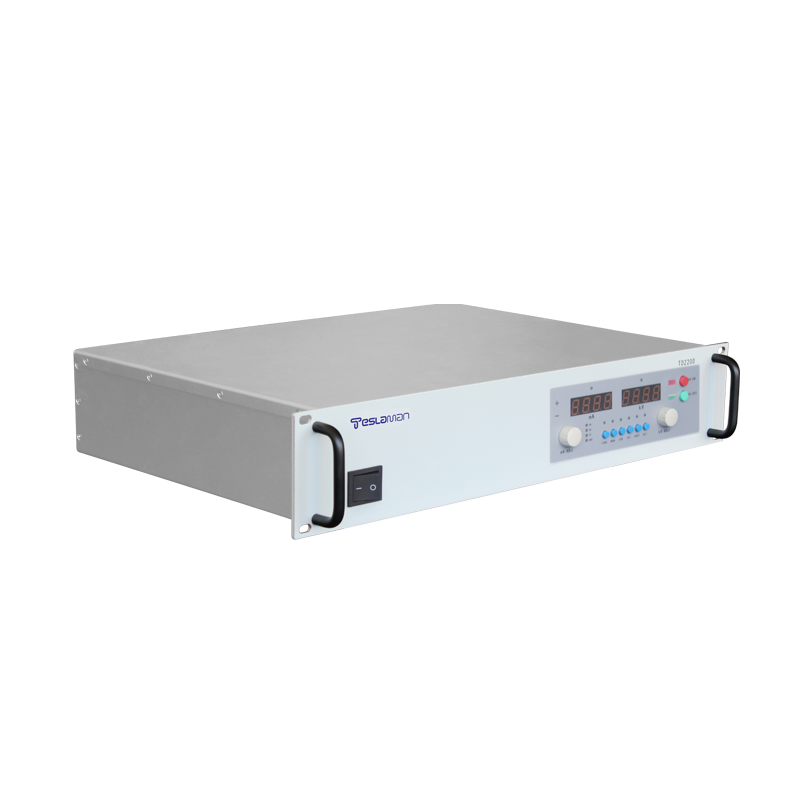
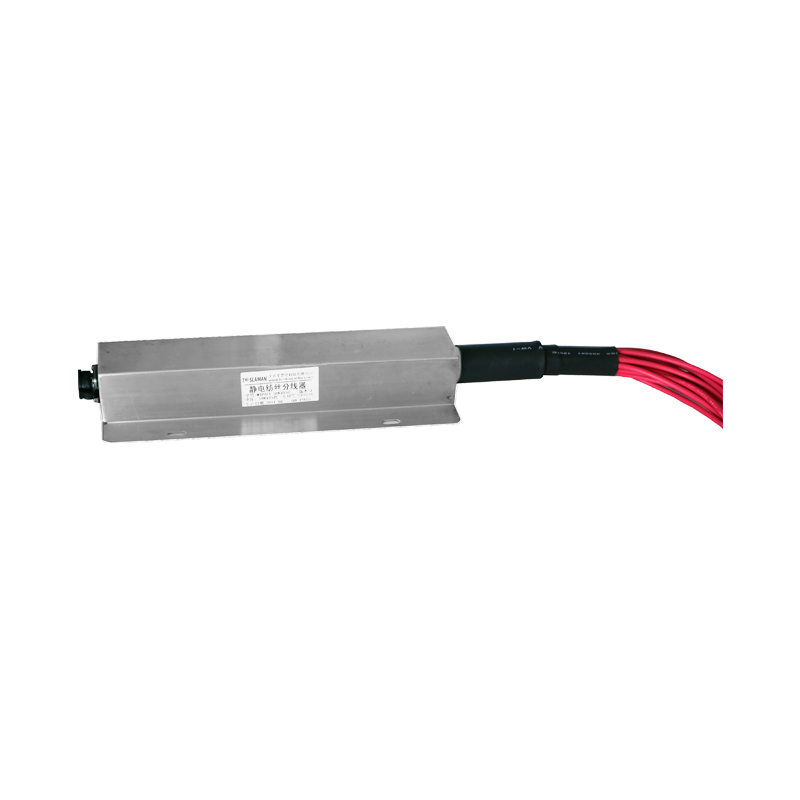
On-chip Integrated Electrodes and Interfaces for Microfluidic Chip Electrophoresis High Voltage Power Supply
Microfluidic chip electrophoresis has revolutionized analytical chemistry by enabling rapid, efficient separation of biomolecules on miniaturized platforms. The integration of electrodes and power supply interfaces directly on the microfluidic chip represents a significant advancement toward fully integrated lab-on-a-chip systems. Understanding the design considerations and implementation challenges for on-chip electrodes and interfaces is essential for developing practical microfluidic electrophoresis devices.
Electrophoresis separates charged molecules based on their migration in an electric field through a buffer solution. The migration velocity depends on the charge-to-size ratio of the molecule and the electric field strength. In capillary electrophoresis, separations occur in narrow capillaries with high electric fields, typically hundreds of volts per centimeter. Microfluidic chip electrophoresis adapts this technique to microfabricated channels, offering advantages in integration, throughput, and sample consumption.
The high voltage requirements for microfluidic electrophoresis present integration challenges. Separation voltages typically range from hundreds to thousands of volts, applied across the separation channel. The current is relatively low, typically microamperes, determined by the buffer conductivity and channel geometry. The power supply must provide stable voltage with minimal ripple to ensure reproducible separations. The integration of high voltage generation and control on the microfluidic chip requires innovative approaches to circuit design and fabrication.
On-chip electrodes provide the electrical interface between the external power supply and the microfluidic channels. The electrode material must be compatible with the buffer chemistry and the analytes being separated. Platinum, gold, and other noble metals are commonly used for their chemical stability. The electrode geometry affects the electric field distribution in the channel and the efficiency of the electrokinetic injection. The electrode placement must enable both the separation voltage and the injection control.
Fabrication of on-chip electrodes involves various microfabrication techniques. Thin film deposition and patterning create electrodes on the chip substrate. The electrode thickness, typically tens to hundreds of nanometers, must be sufficient to carry the required current without excessive resistance. Adhesion layers improve the bonding between the electrode metal and the substrate. Passivation layers protect the electrodes from the buffer solution except at the intended contact areas.
The interface between the on-chip electrodes and the external power supply must accommodate the high voltage while maintaining reliable electrical connection. Wire bonding provides one approach for making electrical connections to the chip pads. For high voltage applications, the wire bonds must have adequate insulation and spacing to prevent arcing. Flip-chip bonding offers an alternative approach with potentially better high voltage performance due to the shorter interconnect length.
Integration of the high voltage power supply on the chip represents the ultimate goal for miniaturization. Charge pump circuits can generate high voltages from low-voltage external supplies using on-chip capacitors and switches. The capacitors can be implemented using metal-insulator-metal structures or MOS capacitors. The switches use high voltage transistors fabricated in specialized processes. The integration eliminates the need for external high voltage supplies and reduces the system size and complexity.
The control interface for on-chip electrophoresis includes both analog and digital functions. The separation voltage must be precisely controlled to ensure reproducible separations. The injection timing must be coordinated with the separation voltage to inject precise sample plugs. Detection systems, whether optical or electrochemical, must be synchronized with the separation. Digital control circuits implemented on the chip or in an external microcontroller manage these functions.
Thermal management becomes important for integrated electrophoresis systems. Joule heating in the separation channel raises the buffer temperature, affecting the separation efficiency and potentially causing bubble formation. The small dimensions of microfluidic channels provide good heat dissipation, but the heating rate increases with the square of the electric field. Temperature sensors integrated on the chip can monitor the thermal conditions and enable feedback control of the separation voltage.
Reliability and lifetime considerations affect the practical utility of on-chip electrodes. Electrochemical reactions at the electrodes can degrade the electrode material over time. Gas generation at the electrodes can cause bubbles that disrupt the separation. Buffer depletion or pH changes near the electrodes can affect the separation performance. Design strategies such as electrode placement in buffer reservoirs rather than directly in the separation channel can mitigate these effects.
Packaging of microfluidic electrophoresis chips must accommodate the high voltage requirements while providing fluidic interfaces and protection for the on-chip components. The package must prevent high voltage arcing to adjacent conductors or the user. The package must also provide access for sample introduction and waste removal. Standardized package formats enable compatibility with external instrumentation while supporting the specific requirements of electrophoresis applications.