Timing Coordination Between High Voltage Power Supply and Powder Spreading Mechanism in Electron Beam Selective Melting Equipment
Electron beam selective melting has emerged as a powerful additive manufacturing technology for producing complex metal parts directly from digital designs. The process uses a focused electron beam to selectively melt powder particles layer by layer, building up three-dimensional parts with high precision. The coordination between the high voltage power supply and the powder spreading mechanism is critical for achieving consistent part quality and reliable operation.
The electron beam selective melting process involves several sequential steps for each layer. First, a powder spreading mechanism deposits a thin layer of metal powder across the build platform. Next, the electron beam preheats the powder layer to a temperature that promotes spreading and reduces thermal gradients. Then, the beam selectively melts the powder in the regions defined by the part geometry. Finally, the build platform lowers by one layer thickness, and the cycle repeats. The timing coordination between these steps affects the thermal conditions and the resulting part quality.
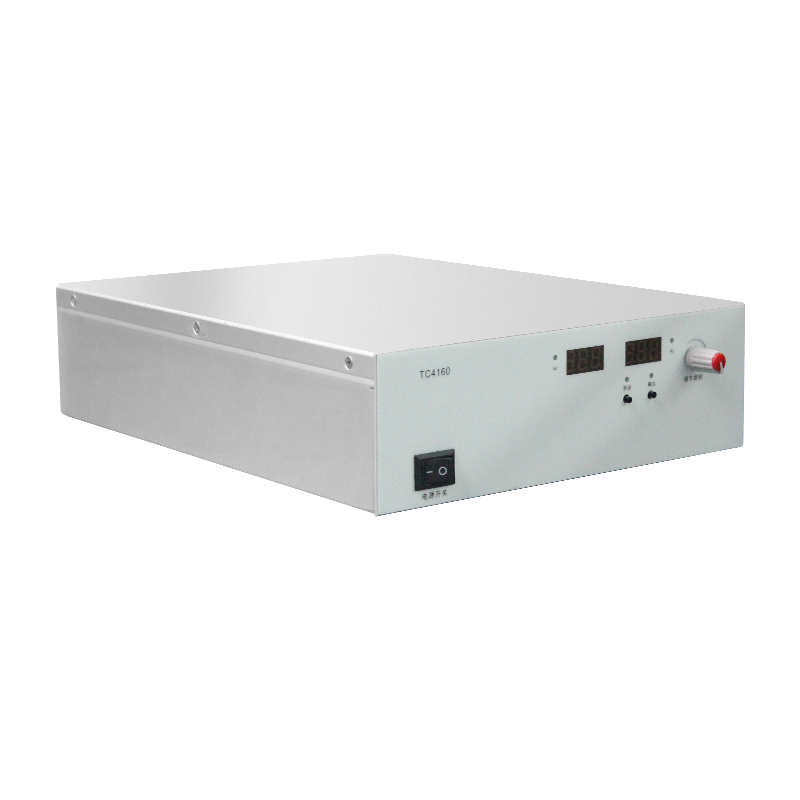
The high voltage power supply provides the accelerating voltage for the electron beam, typically ranging from thirty to sixty kilovolts. The beam current, controlled by the cathode heating and grid voltage, determines the beam power. The beam deflection system scans the beam across the powder bed according to the programmed pattern. The power supply must maintain stable voltage and current during the melting phase while enabling rapid transitions between different operating states.
The powder spreading mechanism typically consists of a hopper that stores the powder and a rake or blade that spreads the powder across the build platform. The spreading must produce a uniform layer of consistent thickness, typically tens of micrometers. The spreading speed affects the powder packing density and surface quality. The mechanism must operate reliably in the high-temperature vacuum environment of the build chamber.
Timing coordination begins with the transition from melting to powder spreading. The electron beam must be turned off or deflected to a safe position before the spreading mechanism moves across the powder bed. Any beam interaction with the spreading mechanism could cause damage or contamination. The power supply must respond quickly to the beam-off command, with the voltage and current dropping to safe levels within the required time window.
The transition from spreading to preheating requires careful timing. The spreading mechanism must clear the build area before the beam begins scanning. The powder surface must be stable before the beam interaction begins. The power supply must be ready to deliver the preheating power at the appropriate time. Coordination between the mechanical motion and the electrical systems ensures smooth transitions without delays that could affect productivity.
During preheating, the beam scans rapidly across the powder layer to raise its temperature. The preheating power and duration depend on the material properties and the desired temperature. The power supply must deliver controlled power during preheating, typically at lower beam current than during melting. The transition from preheating to melting involves increasing the beam current and changing the scan pattern. The power supply must support these transitions smoothly.
Melting requires precise control of the beam power and position. The power supply must maintain stable voltage and current despite variations in the beam loading caused by the changing melt pool characteristics. The beam deflection system must accurately position the beam according to the programmed pattern. Any fluctuations in power supply output could affect the melt pool stability and the resulting part density and surface quality.
Thermal management affects the timing coordination. The powder bed temperature influences the spreading behavior and the melting characteristics. The timing between layers affects the thermal history of the part. Faster layer times reduce the cooling between layers, potentially affecting the microstructure. The coordination must account for the thermal requirements of the specific material and part geometry.
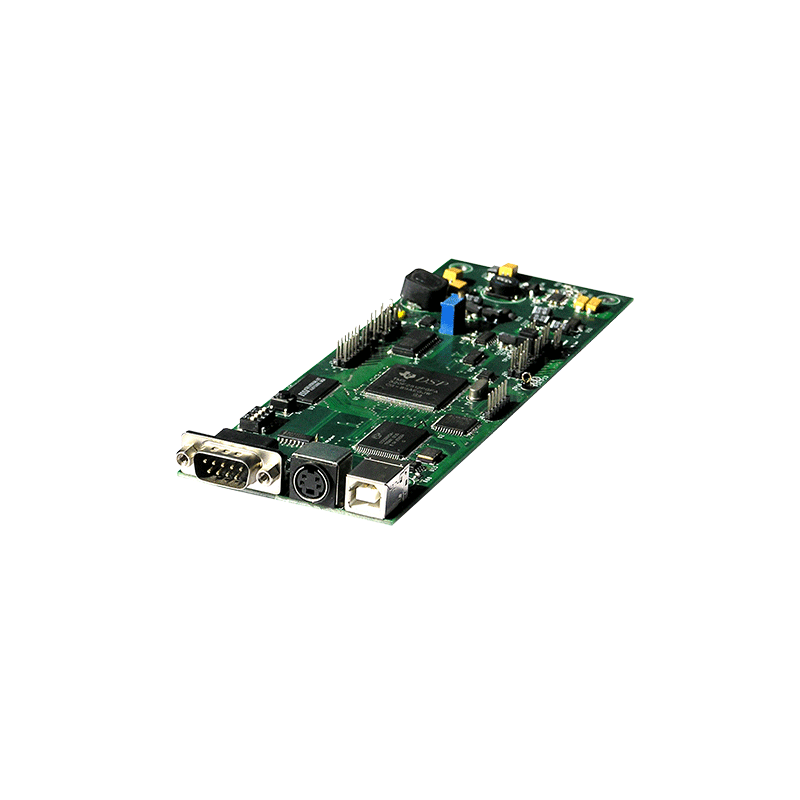
Control system integration manages the timing coordination between all subsystems. Programmable logic controllers or industrial computers execute the sequence of operations for each layer. Sensors monitor the position of the spreading mechanism, the beam current and voltage, and the powder bed temperature. The control system adjusts the timing based on the monitored conditions to maintain consistent process parameters.
Safety interlocks protect the equipment and operators during operation. The beam must be disabled when the chamber is open or when the spreading mechanism is not in the correct position. Emergency stop functions immediately disable the high voltage and stop all mechanical motion. The interlock system must be designed for high reliability to prevent accidents in the high-energy environment of electron beam melting.