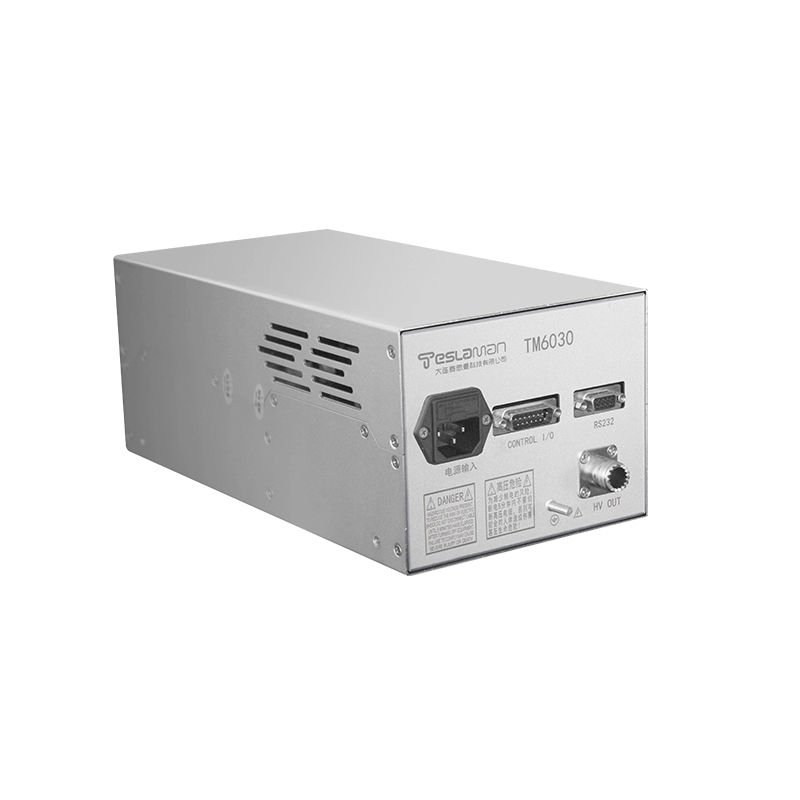
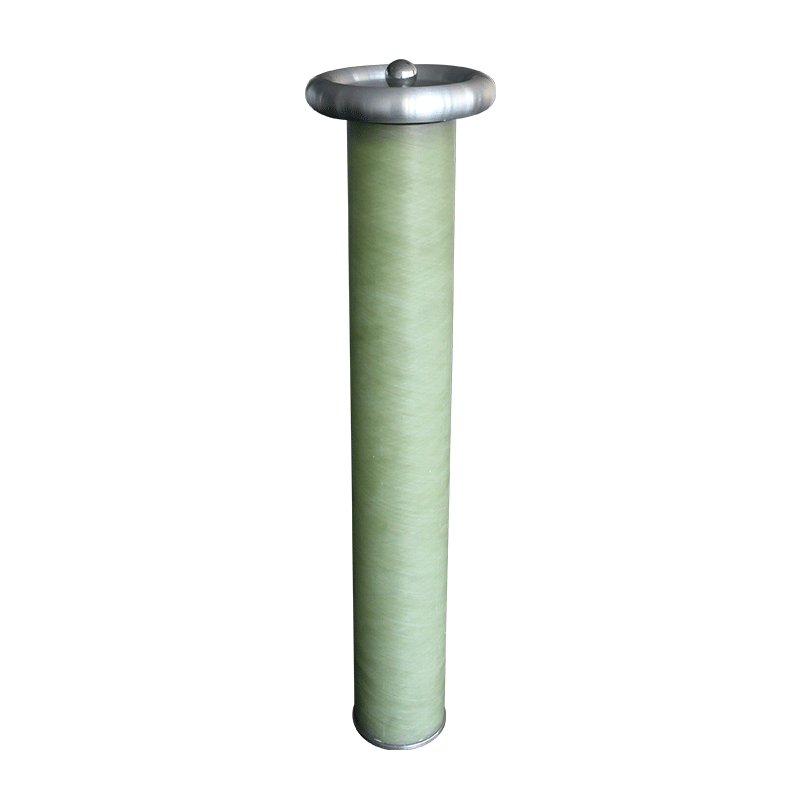
Big Data Monitoring Platform for Electrostatic Chuck High Voltage Power Supply in 18-inch Wafer Fabrication Facility
The semiconductor industry continues to advance toward larger wafer sizes and smaller feature dimensions, with eighteen-inch wafers representing the next generation of manufacturing capability. Electrostatic chucks are critical components that hold wafers securely during various processing steps, and their high voltage power supplies must operate with exceptional reliability and precision. The implementation of big data monitoring platforms for these power supplies enables predictive maintenance, process optimization, and yield improvement across the production line.
The electrostatic chuck operates by applying high voltage to electrodes embedded within a dielectric structure, creating electrostatic attraction that holds the wafer against the chuck surface. The clamping force must be uniform across the wafer to ensure consistent processing, and the voltage must remain stable throughout each process step. Any variation in the power supply output can affect the clamping force and potentially cause wafer movement, scratches, or breakage.
Eighteen-inch wafer fabrication facilities operate at unprecedented scale, with hundreds of process tools each containing multiple electrostatic chucks. The sheer volume of equipment creates challenges for traditional monitoring approaches that rely on manual inspection and reactive maintenance. Big data platforms can aggregate information from all power supplies across the facility, enabling comprehensive monitoring and analysis that would be impossible with manual methods.
The data acquisition system forms the foundation of the monitoring platform. Sensors measure the output voltage, current, and temperature of each power supply at regular intervals, typically every few seconds or minutes depending on the monitoring requirements. Additional sensors may measure the input power, internal component temperatures, and environmental conditions. The data is transmitted to a central server through industrial communication networks.
Data storage systems must accommodate the large volumes of time-series data generated by continuous monitoring. Modern big data platforms use distributed database systems that can scale to handle the data from thousands of power supplies operating continuously. Data compression and aggregation techniques reduce storage requirements while preserving the information needed for analysis. Historical data retention policies balance the value of long-term trend analysis against storage costs.
Real-time monitoring dashboards provide operators with visibility into the current status of all power supplies across the facility. Color-coded status indicators highlight power supplies that are operating normally, approaching warning thresholds, or experiencing faults. Drill-down capabilities allow operators to examine the detailed data for individual power supplies. Alert systems notify operators when parameters exceed acceptable limits or when trends indicate developing problems.
Statistical analysis of the monitoring data reveals patterns and relationships that would not be apparent from individual power supply data. Comparison of power supplies operating under similar conditions can identify outliers that may indicate developing problems. Correlation analysis can relate power supply behavior to process outcomes such as wafer yield or defect rates. Statistical process control methods can detect subtle drift in power supply performance before it affects production quality.
Predictive maintenance algorithms use the monitoring data to forecast when power supplies will require maintenance or replacement. Machine learning models can learn the patterns that precede failures, enabling proactive maintenance before failures cause unplanned downtime. Remaining useful life predictions can optimize maintenance scheduling to minimize disruption to production. The economic value of avoiding unplanned downtime often justifies the investment in predictive maintenance systems.
Process optimization uses the monitoring data to identify opportunities for improving power supply performance. Analysis of the relationship between power supply parameters and process outcomes can identify optimal operating conditions. Comparison of power supplies across different process tools can identify best practices that can be standardized across the facility. Continuous improvement programs can track the impact of optimization efforts on power supply performance and process yield.
Integration with facility management systems enables coordinated operation and maintenance planning. The monitoring platform can communicate with the manufacturing execution system to correlate power supply performance with production schedules and product types. Integration with maintenance management systems can automatically generate work orders when predictive algorithms indicate maintenance is needed. Enterprise resource planning integration enables procurement of replacement parts based on predicted maintenance needs.
Cybersecurity considerations are essential for big data monitoring platforms in semiconductor facilities. The monitoring data could reveal sensitive information about production processes and equipment configurations. The control interfaces could be exploited to disrupt production or cause equipment damage. The platform must implement appropriate security measures including network segmentation, access control, encryption, and intrusion detection. Regular security assessments and updates maintain protection against evolving threats.