Development of High Voltage Power Supply Teaching Experimental Platform Combining Virtual Simulation and Physical Operation
High voltage engineering education requires students to develop both theoretical understanding and practical skills in working with high voltage systems. Traditional laboratory instruction provides hands-on experience but faces limitations in safety, equipment availability, and the range of experiments that can be conducted. Virtual simulation offers complementary capabilities that can enhance the learning experience. The development of teaching experimental platforms that combine virtual simulation with physical operation provides students with comprehensive educational opportunities.
High voltage power supplies present particular challenges for educational laboratories. The voltages involved, typically ranging from kilovolts to hundreds of kilovolts, pose significant safety hazards that require careful supervision and safety procedures. The equipment is expensive and may have limited availability for student use. The experiments that can be safely conducted are constrained by the laboratory facilities. These factors can limit the depth and breadth of the practical experience available to students.
Virtual simulation provides a safe environment for students to explore high voltage concepts without the risks associated with actual high voltage equipment. Computer models can simulate the behavior of high voltage circuits, including transient phenomena that would be difficult or dangerous to create in a laboratory. Students can experiment with different circuit configurations and operating conditions without risk of equipment damage or personal injury. The simulation can visualize phenomena such as electric field distributions and current flow patterns that are not directly observable in physical experiments.
Physical experimentation provides essential hands-on experience that cannot be fully replicated in simulation. Students learn proper safety procedures, measurement techniques, and troubleshooting skills through direct interaction with actual equipment. The physical laboratory exposes students to the practical challenges of high voltage work, including the effects of environmental conditions, component tolerances, and measurement limitations. This experience is essential for preparing students for professional practice.
The integrated platform architecture combines virtual and physical components into a unified learning environment. The virtual simulation component includes computer models of high voltage circuits and systems, with graphical interfaces that allow students to configure experiments and observe results. The physical component includes actual high voltage equipment with safety interlocks and measurement systems. The platform coordinates the virtual and physical components to provide a seamless learning experience.
The simulation component can include models of various high voltage phenomena. Circuit simulation models the behavior of power electronic converters, transformers, and filter circuits. Field simulation models the electric field distribution in high voltage structures, including the effects of electrode geometry and insulation materials. Discharge simulation models the behavior of corona, spark, and arc discharges. These models can be validated against physical measurements to ensure accuracy.
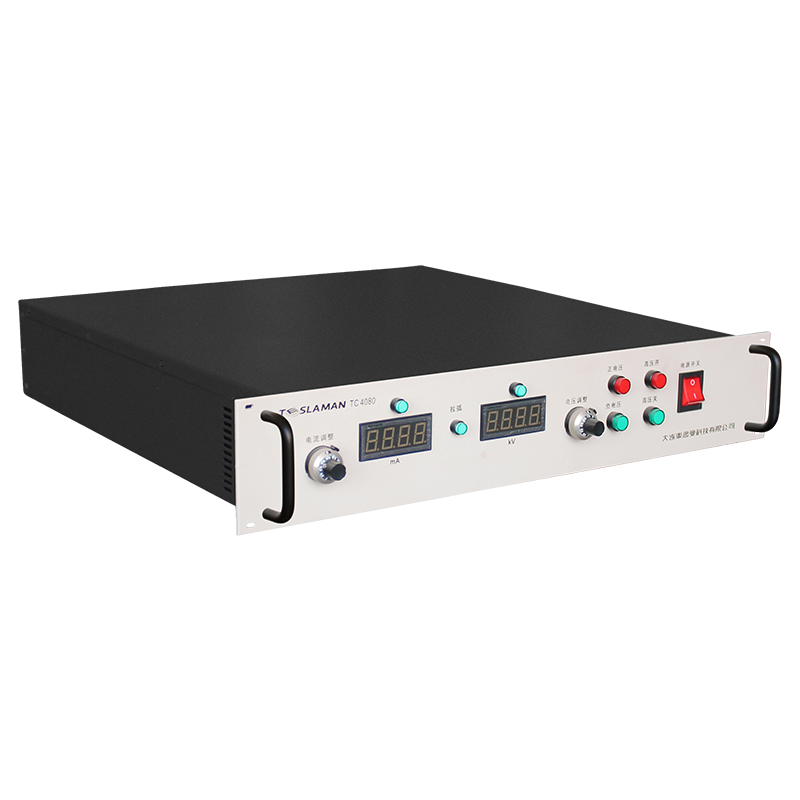
The physical component includes a high voltage power supply with appropriate safety features. The power supply should be designed for educational use, with robust construction that can withstand student use and clear labeling of all controls and connections. Safety interlocks prevent operation when safety conditions are not met. Measurement systems provide the data needed for comparison with simulation results.
Safety integration is a critical aspect of the platform design. The virtual simulation can include safety training modules that teach students proper procedures before they work with physical equipment. The physical laboratory can include safety monitoring systems that detect unsafe conditions and alert students and instructors. The platform can track student completion of safety training and verify competency before allowing access to physical equipment.
The learning management system coordinates the educational activities across the virtual and physical components. The system can present theoretical content, assign simulation exercises, schedule laboratory sessions, and assess student performance. The system can track student progress and provide feedback to instructors. The learning management system enables efficient delivery of the educational program to large numbers of students.
Curriculum integration ensures that the platform supports the learning objectives of the high voltage engineering course. The virtual and physical experiments should be coordinated with the theoretical content to reinforce key concepts. The experiments should progress from simple to complex as students develop their understanding and skills. The assessment should evaluate both theoretical understanding and practical competency.
Remote access capabilities extend the availability of the platform beyond scheduled laboratory sessions. Students can access the virtual simulation from any location with internet connectivity. Remote laboratory capabilities can allow students to conduct physical experiments remotely, with the actual equipment operated under computer control. This capability increases the flexibility of the educational program and enables students to gain more practical experience.
Assessment and evaluation of the platform effectiveness guide continuous improvement. Student performance data can identify areas where the platform is effective and areas that need improvement. Student feedback can identify usability issues and suggest enhancements. Comparison with traditional laboratory instruction can quantify the educational benefits of the integrated approach. The evaluation results inform ongoing development of the platform and curriculum.