Energy-saving Operation Optimization Strategy for Electrostatic Precipitator High Voltage Power Supply in Steel Plant Sintering Machine Tail
Steel plant sintering machines produce significant quantities of dust and particulate emissions that must be controlled to meet environmental regulations. Electrostatic precipitators at the sintering machine tail capture these particles using high voltage electric fields. The power consumption of these precipitators represents a significant portion of the plant operating costs. Optimization of the high voltage power supply operation can achieve substantial energy savings while maintaining the required emission control performance.
The sintering process converts iron ore fines, fluxes, and coke into a porous sinter suitable for blast furnace feeding. The sintering machine is a traveling grate that moves the raw materials through ignition, heating, and cooling zones. The exhaust gases from the sintering process contain particulate matter, sulfur oxides, and other pollutants. The electrostatic precipitator removes the particulate matter before the gases are released to the atmosphere.
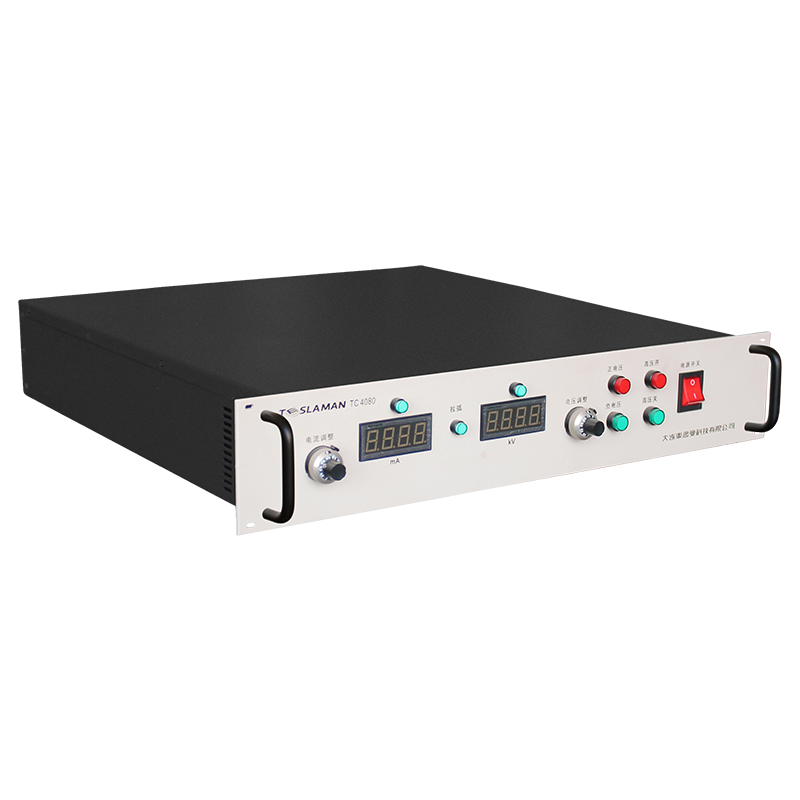
The electrostatic precipitator operates by charging particles in the gas stream and collecting them on electrodes. The high voltage power supply energizes the discharge electrodes that generate ions for particle charging. The same voltage creates the electric field that drives the charged particles toward the collecting electrodes. The power supply must provide sufficient voltage and current to achieve the required collection efficiency, but excessive power consumption wastes energy and may cause operational problems.
The relationship between power consumption and collection efficiency is nonlinear. At low power levels, increasing the voltage improves the collection efficiency by enhancing particle charging and collection. However, beyond a certain point, further power increases provide diminishing returns in efficiency improvement. The optimal operating point depends on the particle characteristics, gas conditions, and emission requirements.
The dust properties from sintering machine exhaust present particular challenges for electrostatic precipitation. The dust contains iron oxides, calcium compounds, and other materials that can have variable electrical resistivity. High-resistivity dust can cause back corona, where reverse discharges occur on the collecting electrode, reducing the collection efficiency. Low-resistivity dust can be easily re-entrained from the collecting electrodes. The power supply operation must account for these dust characteristics.
Automatic voltage control systems optimize the precipitator operation by adjusting the voltage to maintain operation near the sparking threshold. When sparking is detected, the voltage is momentarily reduced to extinguish the spark, then gradually increased back toward the threshold. This approach maximizes the average voltage and collection efficiency. However, the spark rate and the voltage recovery characteristics affect the energy consumption.
Energy-saving strategies include reducing the voltage during periods of low dust loading. The dust generation rate varies with the sintering machine operating conditions. During periods of reduced production or favorable raw material conditions, the dust loading may be lower, and the collection efficiency requirement can be met with reduced power. The power supply control system can adjust the voltage based on the measured dust concentration in the outlet gas.
Pulse energization is an alternative to continuous DC energization that can reduce power consumption. In pulse energization, short high-voltage pulses are applied at a lower repetition rate than the continuous DC operation. The pulses provide effective particle charging while reducing the average power consumption. The pulse parameters can be optimized for the specific dust and gas conditions.
Intermittent energization further reduces power consumption by cycling the power on and off. During the off periods, the electric field collapses, and some particles may be re-entrained. However, if the off periods are short enough, the overall collection efficiency remains acceptable. The duty cycle can be adjusted based on the emission requirements and the dust characteristics.
Rapping control optimization affects the overall precipitator performance and energy consumption. Rapping dislodges the collected dust from the electrodes, maintaining clean surfaces for effective collection. Excessive rapping can cause re-entrainment of collected dust, reducing the collection efficiency. Insufficient rapping allows dust buildup that reduces the electric field and collection efficiency. The rapping intensity and frequency should be optimized for the dust characteristics and the power supply operating conditions.
Monitoring and diagnostics support the optimization of power supply operation. Continuous measurement of the inlet and outlet dust concentrations enables calculation of the collection efficiency. Measurement of the voltage, current, and spark rate indicates the precipitator operating status. Analysis of the relationship between power consumption and collection efficiency identifies opportunities for optimization. Advanced analytics can detect degradation trends and predict maintenance needs.
Integration with the sintering machine control system enables coordinated optimization. The power supply operation can be adjusted based on the sintering machine production rate, raw material characteristics, and other process parameters. The coordination ensures that the precipitator performance meets the emission requirements while minimizing energy consumption across all operating conditions.