Channel Inconsistency Calibration of High Voltage Transmitter Power Supply for Medical Ultrasound Imaging Array Probe
Medical ultrasound imaging has become one of the most widely used diagnostic imaging modalities due to its safety, real-time capability, and relatively low cost. Modern ultrasound systems use array transducers with dozens to hundreds of individual elements that are electronically steered and focused to form images. The high voltage transmitter power supplies that drive these elements must produce consistent output across all channels to achieve optimal image quality. Channel inconsistency calibration is essential for correcting the variations that inevitably exist in practical systems.
The ultrasound transducer array consists of piezoelectric elements arranged in linear, curved, or phased array configurations. Each element converts electrical pulses into acoustic waves for transmission, and converts received acoustic waves into electrical signals. The imaging quality depends on the precise timing and amplitude of the signals from each element. Variations between elements degrade the beam forming and reduce the image quality.
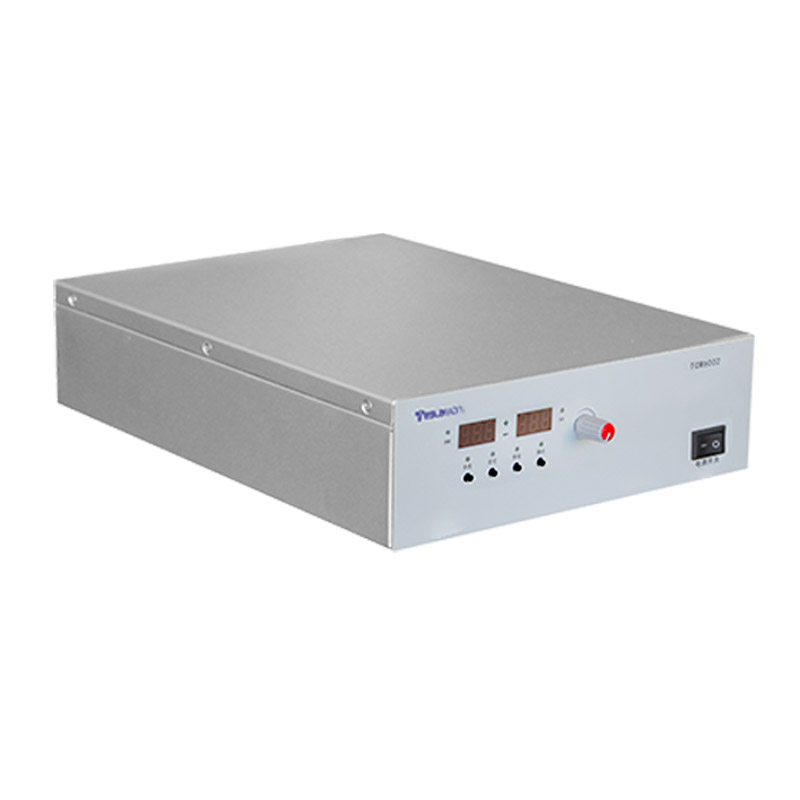
The high voltage transmitter generates the pulses that excite the transducer elements. Typical transmitter voltages range from tens to hundreds of volts, with pulse widths determined by the desired ultrasound frequency. The transmitter must generate these pulses with precise timing and amplitude for each element. Any variations in the pulse characteristics between channels cause beam forming errors.
Channel inconsistency arises from several sources. Component tolerances in the transmitter circuits cause variations in the output amplitude and timing. Differences in the interconnection lengths and impedances affect the pulse delivery. Variations in the transducer element characteristics affect the acoustic output for a given electrical input. Manufacturing variations and component aging contribute to the overall inconsistency.
Amplitude inconsistency causes variations in the acoustic pressure generated by each element. When the elements in an array produce different pressure levels, the beam pattern deviates from the ideal. The main lobe may be reduced in amplitude, and the side lobes may be increased, degrading the image contrast and resolution. Amplitude calibration corrects these variations by adjusting the transmitter output for each channel.
Timing inconsistency causes errors in the beam steering and focusing. The beam forming relies on precise timing relationships between the pulses from different elements. Timing errors cause the acoustic waves to arrive at the focal point at slightly different times, reducing the constructive interference and broadening the beam. Timing calibration corrects these variations by adjusting the transmit delays for each channel.
Phase inconsistency at the ultrasound frequency is particularly important for high-frequency imaging. The phase of the transmitted pulse affects the interference pattern that forms the beam. Phase errors cause beam distortion similar to timing errors but are more significant at higher frequencies. Phase calibration may be required for high-frequency systems where the timing resolution is insufficient.
Calibration methods measure the actual output characteristics of each channel and determine the correction factors needed to achieve consistency. Acoustic measurement using hydrophones can directly measure the pressure output of each element. Electrical measurement using voltage and current probes can measure the transmitter output characteristics. The measurement system must have adequate accuracy and resolution to detect the variations of interest.
Factory calibration is performed during manufacturing to establish the initial correction factors. The calibration is typically performed under controlled conditions with precise measurement equipment. The correction factors are stored in non-volatile memory in the ultrasound system. The factory calibration provides the baseline consistency for the system.
Field calibration may be performed periodically or when component replacement is required. Portable calibration equipment can measure the channel characteristics in the clinical environment. The field calibration updates the correction factors to account for component drift or replacement. The calibration procedure must be practical for clinical settings and must not require excessive downtime.
Self-calibration techniques use the transducer itself to measure the channel characteristics. The transducer elements can transmit and receive signals that are analyzed to determine the relative timing and amplitude. Self-calibration can be performed automatically without external equipment, enabling frequent calibration to maintain consistency. The self-calibration algorithms must account for the acoustic propagation in the coupling medium and tissue.
Temperature effects on channel characteristics require attention in the calibration design. Component parameters can change with temperature, causing the channel characteristics to drift during warm-up or with ambient temperature changes. Temperature compensation can adjust the correction factors based on measured temperature. Alternatively, thermal design can maintain stable temperatures to minimize the drift.
The calibration data management system stores and applies the correction factors for each channel. The system must associate the correction factors with the specific transducer and system configuration. The system must handle transducer replacement and system updates that may require recalibration. The data management must be reliable to ensure that the correct calibration is always applied.