High Voltage Power Supply Process for Low Temperature Plasma Treatment of Medical Catheter Surface Modification
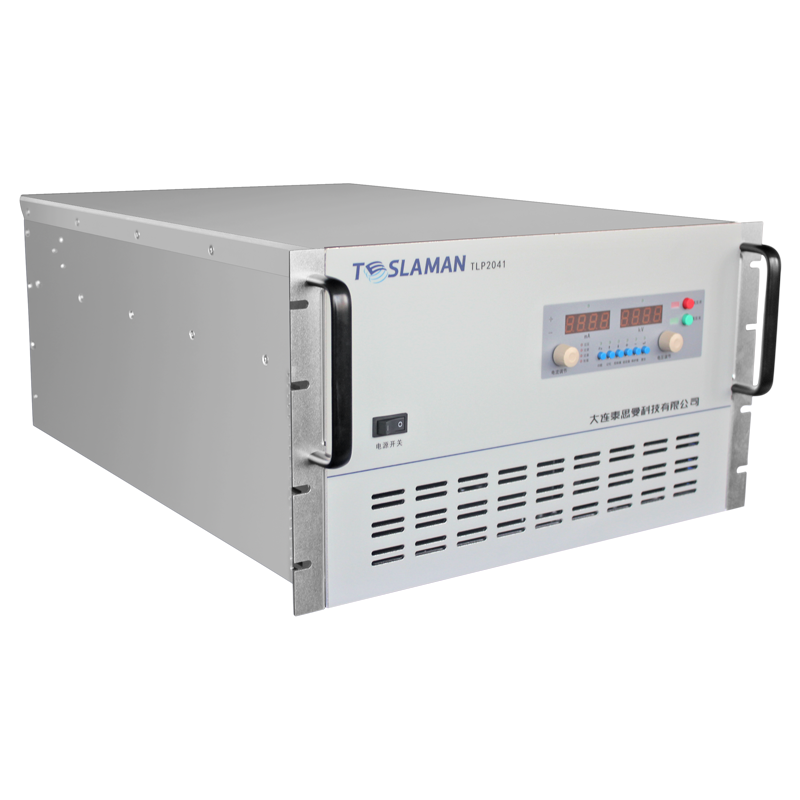
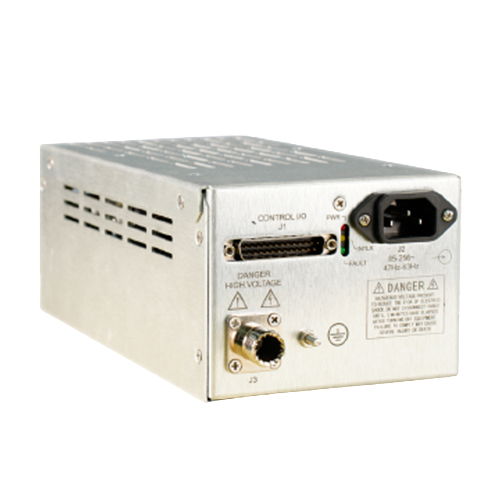
Medical catheters require specific surface properties to ensure biocompatibility, reduce friction, and prevent infection. Low temperature plasma treatment offers an effective method for modifying catheter surfaces without affecting the bulk material properties. The high voltage power supply that generates the plasma must be carefully controlled to achieve the desired surface modification while avoiding damage to the catheter material.
Low temperature plasma is a partially ionized gas where the electron temperature is high but the ion and neutral gas temperatures remain near ambient. This non-equilibrium condition allows plasma to drive chemical reactions and surface modifications without thermal damage to heat-sensitive materials. Medical polymers used in catheters can be treated with plasma to modify their surface chemistry and morphology.
Plasma surface modification can achieve various effects depending on the process conditions. Plasma cleaning removes organic contaminants from the surface. Plasma activation introduces functional groups that improve wettability and adhesion. Plasma etching removes material to create microscale texture. Plasma polymerization deposits thin films with specific chemical properties. Each of these processes requires specific plasma conditions.
The high voltage power supply generates the electric field that sustains the plasma discharge. The voltage amplitude, frequency, and waveform affect the plasma characteristics. Typical operating voltages range from hundreds to thousands of volts, depending on the electrode configuration and the gas pressure. The power supply must provide stable output to maintain consistent plasma conditions throughout the treatment process.
The plasma generation mechanism depends on the power supply characteristics. At low frequencies, typically below about one hundred kilohertz, the plasma is generated through streamer or filamentary discharges that propagate through the gas during each voltage cycle. At higher frequencies, the plasma can transition to a more diffuse or glow-like mode. The frequency selection affects the plasma uniformity and the treatment characteristics.
Atmospheric pressure plasma jets are commonly used for medical device treatment. These devices generate plasma in a gas flow that is ejected from a nozzle to form a jet extending into ambient air. The plasma jet can treat three-dimensional objects such as catheters without requiring a vacuum chamber. The power supply must drive the plasma jet with appropriate voltage and frequency.
The treatment process parameters affect the surface modification results. The treatment time determines the extent of surface modification. Longer treatment times produce more extensive modification but may also cause degradation of the surface properties. The power level affects the plasma density and the rate of surface reactions. The gas composition determines the types of reactive species generated and the nature of the surface modification.
Process control is essential for achieving consistent results. The power supply parameters must be monitored and controlled to maintain the desired plasma conditions. The treatment time must be precisely controlled for each catheter. The gas flow rate and composition must be maintained at the specified values. The catheter position relative to the plasma source affects the treatment uniformity.
Quality assurance verifies that the surface modification meets the specifications. Surface analysis techniques such as contact angle measurement, X-ray photoelectron spectroscopy, and atomic force microscopy characterize the modified surface properties. Functional tests such as coating adhesion tests and biocompatibility tests verify that the surface performs as intended. Statistical process control monitors the process parameters and the quality metrics.
Safety considerations are important for plasma treatment of medical devices. The high voltage presents electrical hazards that must be addressed through proper insulation and interlocks. The plasma may generate ultraviolet radiation that requires shielding. The process gases may be hazardous and require appropriate handling and ventilation. The treated devices must be handled and packaged to maintain the modified surface properties.
Scale-up from laboratory to production requires careful attention to process consistency. Laboratory processes often use small plasma sources and manual handling of samples. Production processes require larger plasma sources, automated handling, and higher throughput. The power supply design must scale appropriately while maintaining the plasma characteristics. The process parameters must be optimized for the production scale equipment.