Electrolytic Cell Matching Design of High Voltage Power Supply for Ship Ballast Water Electrolysis Treatment
Ship ballast water carries aquatic organisms that can invade new ecosystems when discharged, causing ecological and economic damage. International regulations require treatment of ballast water to reduce the concentration of viable organisms. Electrolysis treatment uses electrical current to generate oxidizing agents that disinfect the ballast water. The high voltage power supply must be matched to the electrolytic cell characteristics to achieve efficient and effective treatment.
Electrolysis treatment of ballast water generates hypochlorite and other oxidizing agents from the chloride ions naturally present in seawater. The oxidizing agents kill or inactivate organisms in the ballast water. The treatment can be performed during ballast water uptake, during the voyage, or during discharge, depending on the system design. The electrolytic cell is the heart of the treatment system, where the electrochemical reactions occur.
The electrolytic cell consists of electrodes immersed in the ballast water flow. Anodes are typically made from materials such as mixed metal oxides that efficiently generate chlorine. Cathodes are typically made from materials such as titanium or stainless steel. The cell geometry affects the current distribution, the mass transport, and the pressure drop. The cell design must achieve the required treatment capacity while minimizing power consumption.
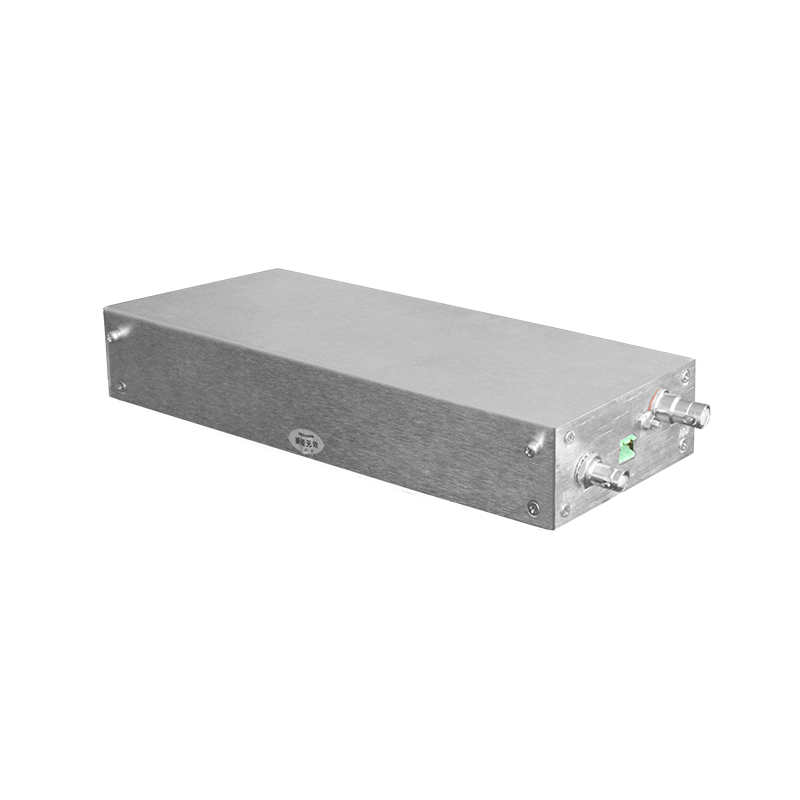
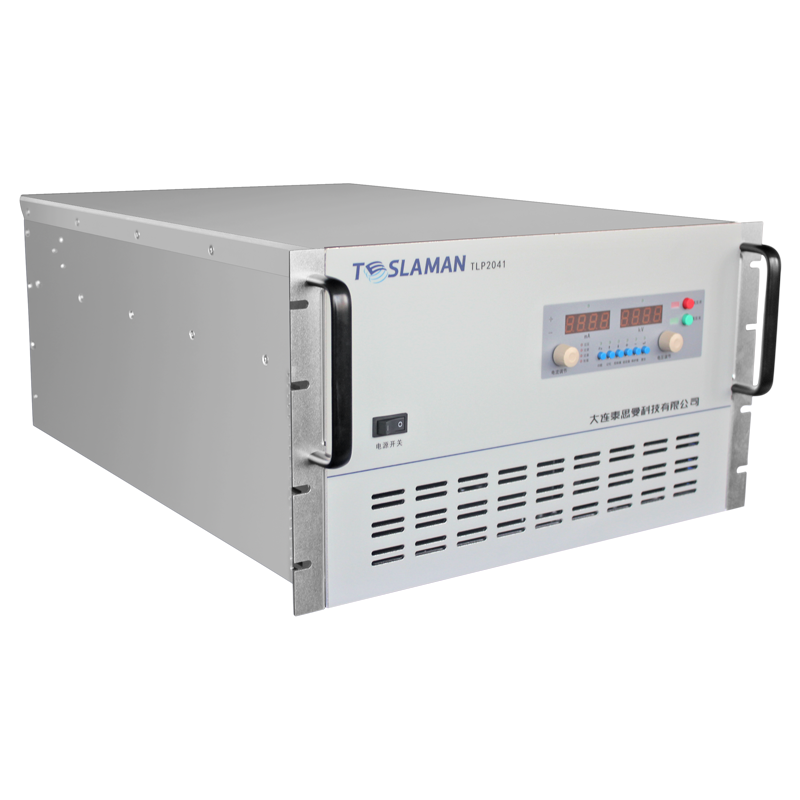
The high voltage power supply provides the electrical energy for the electrolysis reactions. The output voltage must overcome the cell resistance and the overpotentials at the electrodes. Typical cell voltages range from several volts to tens of volts, depending on the electrode spacing, the water conductivity, and the current density. The power supply must deliver the required current for the treatment capacity.
The matching between the power supply and the electrolytic cell affects the system efficiency and performance. The power supply voltage range must match the cell voltage requirements under all operating conditions. The current capability must match the treatment capacity requirements. The power supply characteristics must be compatible with the cell dynamics during startup, load changes, and fault conditions.
The cell resistance depends on the water conductivity, the electrode spacing, and the electrode area. Seawater conductivity varies with salinity and temperature, typically ranging from three to five siemens per meter. The power supply must accommodate this variation in cell resistance while maintaining the required current. The voltage regulation must maintain stable operation despite the varying load.
Current density affects the treatment efficiency and the electrode lifetime. Higher current density generates more oxidizing agents per unit electrode area but may reduce the current efficiency and accelerate electrode degradation. The power supply must enable operation at the optimal current density for the specific application. Current control may be preferred over voltage control to maintain consistent treatment despite varying water conductivity.
Polarity reversal can help maintain electrode performance by reducing scale formation and redistributing electrode wear. The power supply must be capable of reversing the output polarity when required. The reversal frequency and duration must be optimized for the specific water chemistry and electrode materials. The power supply must handle the transient conditions during polarity reversal.
Protection circuits safeguard the electrolytic cell and the power supply from damage. Overcurrent protection limits the maximum current to prevent damage from excessive current density. Overvoltage protection prevents damage from excessive voltage that could cause arcing or insulation breakdown. Ground fault protection detects leakage currents that could indicate cell damage or safety hazards. The protection system must respond quickly enough to prevent damage.
Energy efficiency is important for shipboard applications where power generation capacity is limited. The power supply efficiency affects the overall energy consumption of the treatment system. The cell design also affects the energy efficiency through the cell voltage and the current efficiency. The matching between power supply and cell should optimize the overall system efficiency.
Integration with the ballast water management system enables coordinated operation. The power supply operation must be coordinated with the ballast water pumping operations. The treatment level must be adjusted based on the water conditions and the regulatory requirements. The control system must manage startup, shutdown, and fault conditions appropriately. Monitoring and diagnostics support maintenance and troubleshooting.