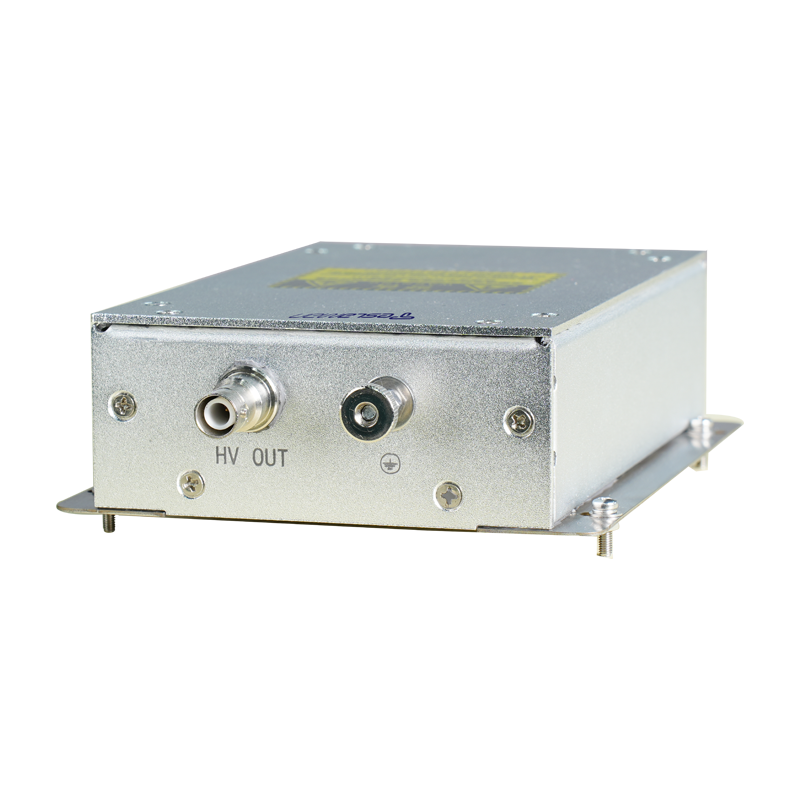
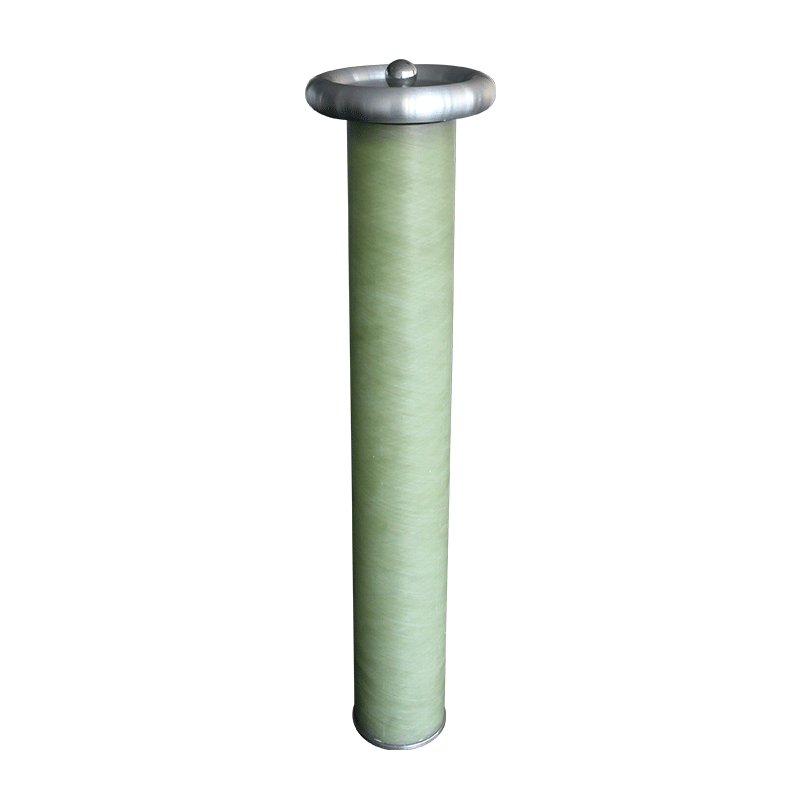
High Voltage Power Supply Configuration for Coaxial Dual-jet Electrospinning of Core-shell Fibers
Core-shell fibers have attracted significant attention for applications in drug delivery, tissue engineering, and functional materials. These fibers consist of a core material surrounded by a shell material, enabling encapsulation of active compounds or creation of unique functional properties. Coaxial electrospinning uses concentric needles to simultaneously spin core and shell materials into core-shell fibers. The high voltage power supply configuration significantly affects the fiber formation and quality.
Coaxial electrospinning extends conventional electrospinning by using two concentric needles. The inner needle delivers the core solution, while the outer annular region delivers the shell solution. Both solutions are simultaneously drawn into a compound Taylor cone under the influence of the electric field. The resulting jet solidifies into a fiber with core-shell structure. The process requires precise control of the electric field and the solution flows.
The high voltage power supply creates the electric field that drives the electrospinning process. The voltage level determines the field strength and the electrostatic forces on the solutions. Typical operating voltages range from several kilovolts to tens of kilovolts, depending on the needle geometry, the solution properties, and the desired fiber characteristics. The power supply must provide stable, controllable voltage for consistent fiber production.
The electrode configuration affects the electric field distribution and the fiber formation. The high voltage can be applied to the needles with the collector grounded, or the collector can be biased with the needles grounded. The choice affects the field pattern and the jet trajectory. For coaxial electrospinning, the field must effectively draw both the core and shell solutions while maintaining the concentric structure.
Single power supply configuration uses one high voltage source to power both the core and shell needles. This approach is simple and ensures that both solutions experience the same electric field. However, the core and shell solutions may have different electrical properties, and a single voltage may not be optimal for both. The power supply must provide sufficient voltage for the more demanding solution.
Dual power supply configuration uses separate high voltage sources for the core and shell needles. This approach enables independent adjustment of the voltage applied to each solution. The voltages can be optimized separately for the core and shell materials. However, the two power supplies must be well isolated to prevent interference. The voltage difference between the core and shell needles creates an additional field component that affects the jet formation.
The voltage difference between core and shell needles affects the internal flow in the compound Taylor cone. A voltage difference creates an electric field between the core and shell solutions at the needle tip. This field can affect the interface between the solutions and the formation of the core-shell structure. The optimal voltage configuration depends on the solution properties and the desired fiber characteristics.
The collector configuration affects the fiber deposition and alignment. A flat plate collector produces randomly oriented fiber mats. A rotating drum collector produces aligned fibers. Patterned collectors can create specific fiber arrangements. The collector voltage, if the collector is biased, affects the field distribution and the fiber deposition.
Solution properties interact with the power supply configuration to determine the fiber characteristics. The electrical conductivity affects the charge carrying capacity and the jet behavior. The viscosity affects the solution flow and the fiber diameter. The surface tension affects the Taylor cone formation and the jet stability. The power supply parameters must be optimized for the specific solution properties.
Process monitoring enables quality control during fiber production. Current measurement indicates the charge flow and can detect process instability. Imaging of the Taylor cone and jet provides visual feedback on the process. Fiber characterization after production verifies the core-shell structure and the fiber quality. The monitoring data guides the adjustment of power supply parameters.
Scale-up considerations affect the power supply configuration for production systems. Multiple coaxial needles operating in parallel increase the production rate. The power supply must provide sufficient voltage and current for all needles. The voltage distribution to multiple needles must be uniform to ensure consistent fiber quality. The system design must accommodate the increased power and thermal management requirements.