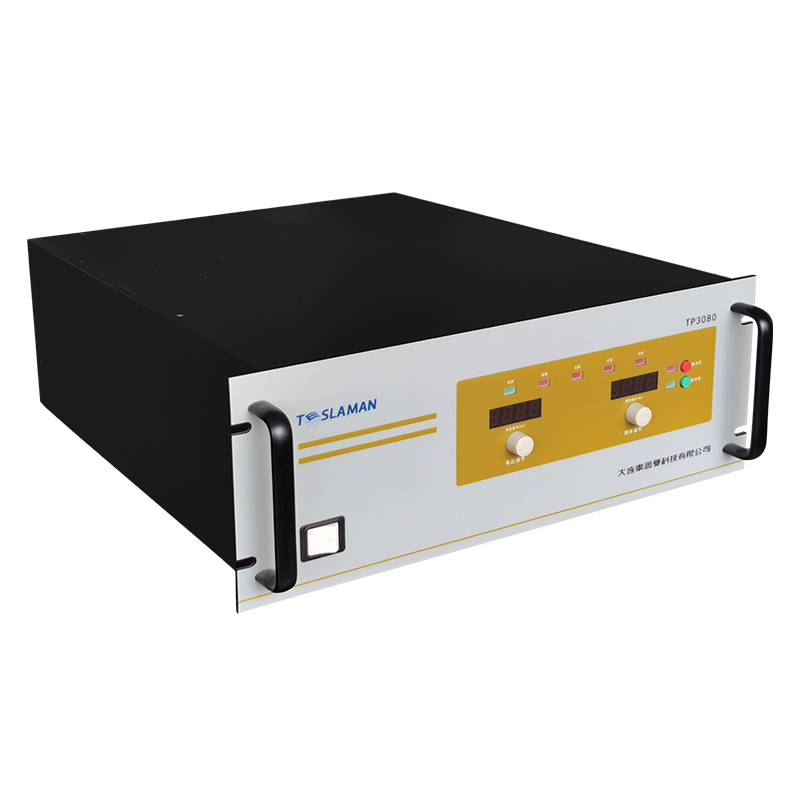
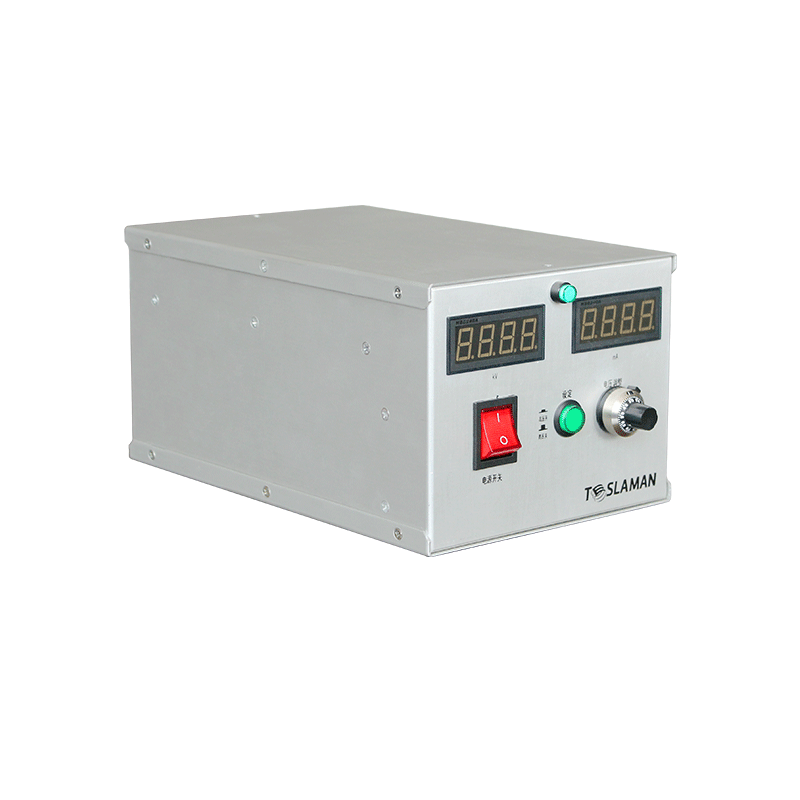
Pulse Frequency Programmable Design of High Voltage Light Source Power Supply for Ampoule Bottle Intelligent Inspection Line
Pharmaceutical manufacturing requires rigorous quality control to ensure product safety and efficacy. Ampoule bottles containing injectable medications must be inspected for defects including cracks, particles, and fill level variations. Intelligent inspection lines use high voltage light sources to illuminate the ampoules for visual inspection systems. The pulse frequency programmable design of the high voltage power supply enables optimization of the illumination for different inspection requirements.
Ampoule inspection systems examine bottles moving at high speed on a conveyor line. The inspection must be completed within the brief time that each ampoule is in the inspection station. The illumination must provide sufficient light intensity for the camera system to capture clear images. The light pulse timing must be synchronized with the camera exposure and the conveyor motion.
High voltage light sources for inspection applications include xenon flash lamps and light emitting diode arrays driven by high voltage pulses. Xenon flash lamps produce intense, short duration light pulses suitable for high speed imaging. The lamp is triggered by a high voltage pulse that ionizes the xenon gas, producing a bright flash. The flash duration and intensity depend on the electrical characteristics of the triggering pulse and the lamp design.
The high voltage power supply for a flash lamp provides both the triggering pulse and the main discharge energy. The triggering pulse initiates ionization in the lamp. The main discharge then flows through the ionized gas, producing the light output. The power supply must deliver these pulses at the repetition rate required by the inspection line speed.
Pulse frequency programmability enables the inspection system to adapt the illumination to different operating conditions. Higher conveyor speeds require higher pulse frequencies to maintain adequate illumination for each ampoule. Different inspection tasks may require different light intensities or pulse durations. The programmable power supply can adjust these parameters through software commands without hardware changes.
The pulse frequency affects both the illumination characteristics and the power supply operation. Higher frequencies increase the average power delivered to the lamp, potentially affecting lamp temperature and life. The power supply must be designed to operate efficiently across the required frequency range. The control system must maintain consistent pulse characteristics as the frequency varies.
Programmable frequency generation can be implemented through several approaches. Direct digital synthesis generates precise frequency signals using a phase accumulator and lookup table. This approach provides excellent frequency resolution and fast frequency changes. Timer-based generation uses hardware timers in a microcontroller to generate pulse trains. This approach is simpler but may have more limited frequency resolution.
The pulse energy affects the light output intensity. The energy stored in the discharge capacitor determines the energy available for each flash. Programmable pulse energy enables adjustment of the light intensity for different inspection requirements. The power supply can include programmable charging circuits that adjust the capacitor voltage to control the pulse energy.
Synchronization with the inspection system is essential for effective operation. The light pulse must occur at the correct time relative to the ampoule position and the camera exposure. The power supply receives trigger signals from the inspection system controller and responds with appropriately timed light pulses. The response latency must be small and consistent to enable precise synchronization.
Multiple light sources may be used to illuminate ampoules from different angles for comprehensive defect detection. Each light source may have its own power supply, or a single supply may serve multiple sources through distribution circuits. The programmable design enables independent control of each light source for optimized illumination geometry.
The user interface for programming the pulse parameters must be intuitive and accessible to inspection line operators. Graphical interfaces can display the current settings and allow adjustment through touch screens or keyboards. Parameter limits prevent settings that could damage the equipment or produce inadequate illumination. Preset configurations for different ampoule types or inspection modes simplify the operator task.
Communication interfaces enable integration with the overall inspection line control system. Standard industrial protocols allow the control system to set the pulse parameters and monitor the power supply status. Remote programming enables centralized control of multiple inspection stations. Diagnostic information from the power supply can be logged for maintenance planning and troubleshooting.