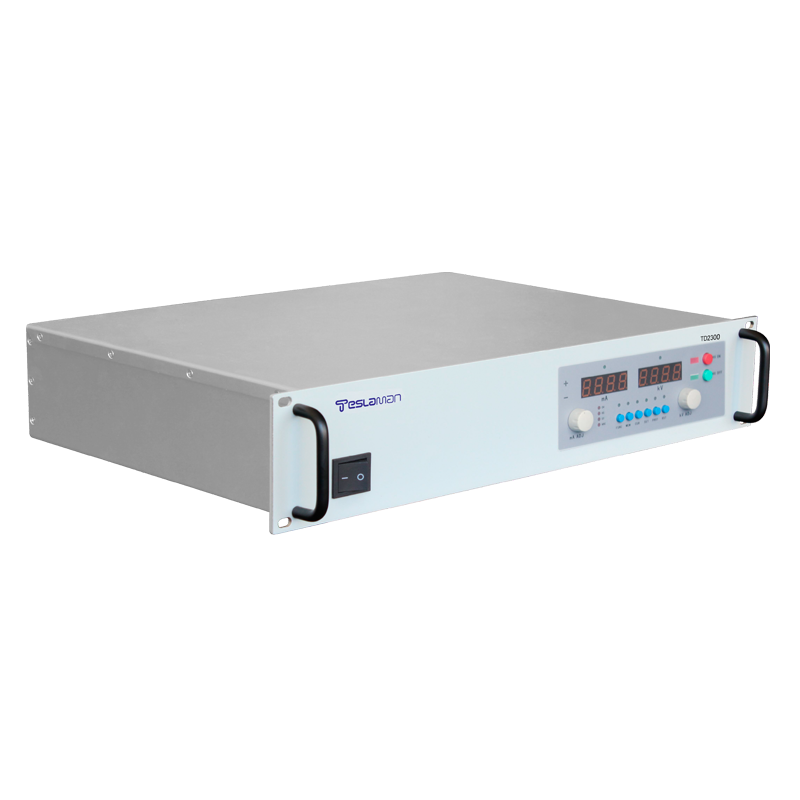
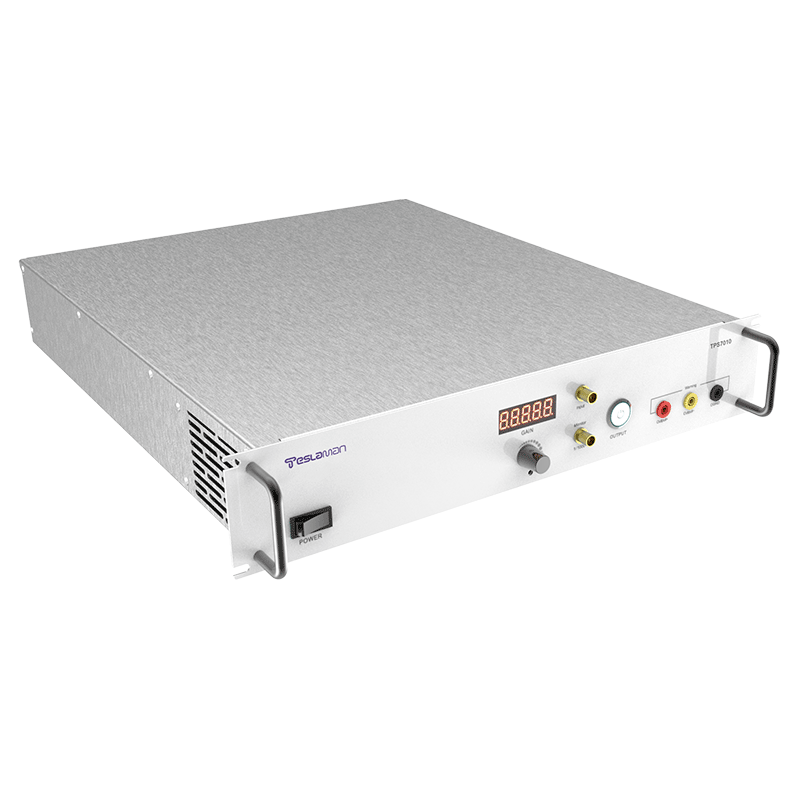
Process Parameter Optimization of 160kV High Voltage Power Supply in Electron Beam Surface Modification
Electron beam surface modification has emerged as a powerful technique for enhancing the surface properties of engineering materials without affecting their bulk characteristics. The process uses a focused electron beam to rapidly heat and modify the surface layer, enabling hardening, alloying, or texturing depending on the process parameters. The one hundred sixty kilovolt high voltage power supply that accelerates the electrons plays a central role in determining the modification characteristics, and optimization of the power supply parameters is essential for achieving the desired surface properties.
Electron beam surface modification encompasses several distinct processes. Electron beam hardening heats the surface layer above the austenitization temperature for steels, then allows rapid self quenching by heat conduction into the bulk, producing a hardened martensitic layer. Electron beam alloying melts the surface while simultaneously adding alloying elements, creating a modified surface composition. Electron beam texturing creates controlled surface patterns that affect tribological or optical properties. Each process requires specific beam characteristics that depend on the power supply operation.
The electron beam is generated by an electron gun, where electrons are emitted from a cathode, accelerated by a high voltage, and focused by electromagnetic lenses. The acceleration voltage determines the electron energy, which affects the penetration depth and the energy deposition profile in the material. At one hundred sixty kilovolts, electrons have sufficient energy to penetrate tens of micrometers into typical metals, depositing their energy in a characteristic teardrop shaped interaction volume.
The beam current determines the power delivered to the workpiece. The product of voltage and current gives the beam power, which directly affects the heating rate and the maximum temperature achieved. Higher beam powers enable faster processing but require careful control to prevent excessive melting or vaporization. The power supply must provide stable, controllable current for consistent processing.
Beam scanning or deflection moves the beam across the workpiece surface to treat the desired area. The scanning pattern, speed, and overlap between passes affect the uniformity of the treatment. Fast scanning enables treatment of large areas but reduces the dwell time at each point, affecting the thermal cycle. The scanning system must be coordinated with the power supply operation for consistent beam characteristics during scanning.
Process parameter optimization involves finding the combination of voltage, current, scanning speed, and other parameters that produces the desired surface properties. The optimization must consider multiple objectives including the surface hardness, the depth of the modified layer, the surface roughness, and the processing efficiency. These objectives may conflict, requiring trade-offs in the parameter selection.
The voltage affects the electron penetration and the energy deposition profile. Higher voltages produce deeper penetration, which can be beneficial for thicker modified layers but may reduce the surface power density. Lower voltages concentrate the energy closer to the surface, producing higher surface temperatures but shallower modification. The optimal voltage depends on the desired modification depth and the material properties.
The beam current affects the heating rate and the maximum temperature. The relationship between current and temperature depends on the thermal properties of the material and the beam spot size. Higher currents produce higher temperatures, but excessive temperatures can cause melting, vaporization, or cracking. The current must be optimized to achieve the required temperature without causing damage.
The beam spot size affects the power density and the spatial resolution of the treatment. Smaller spots produce higher power densities for a given beam power, enabling faster heating and higher peak temperatures. However, smaller spots require more passes to cover a given area, reducing the overall processing efficiency. The spot size can be adjusted by changing the focus lens current.
Scanning speed determines the dwell time at each point on the surface. Faster scanning reduces the dwell time, producing a shorter thermal cycle with less heat input. This can be beneficial for minimizing thermal distortion and achieving shallow modification depths. Slower scanning increases the dwell time, allowing more heat input and deeper modification.
Interaction between parameters complicates the optimization. The effect of one parameter depends on the values of other parameters. For example, the effect of scanning speed on the thermal cycle depends on the beam power and spot size. Multivariate optimization methods can identify the optimal combination of parameters by exploring the parameter space systematically.
Quality assessment of the modified surface provides feedback for parameter optimization. Hardness measurements quantify the mechanical property improvement. Metallographic examination reveals the microstructure and the depth of the modified layer. Surface roughness measurements characterize the topographical changes. These measurements guide the optimization toward the desired properties.