Automation of 320kV Programmable High Voltage Power Supply for Voltage Withstand Test of Insulation Materials
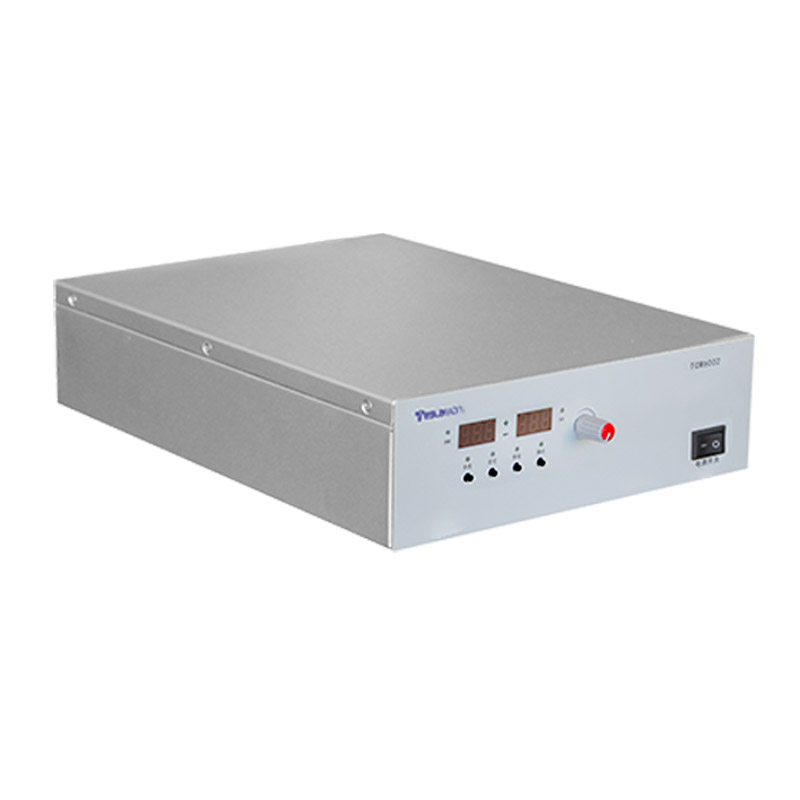
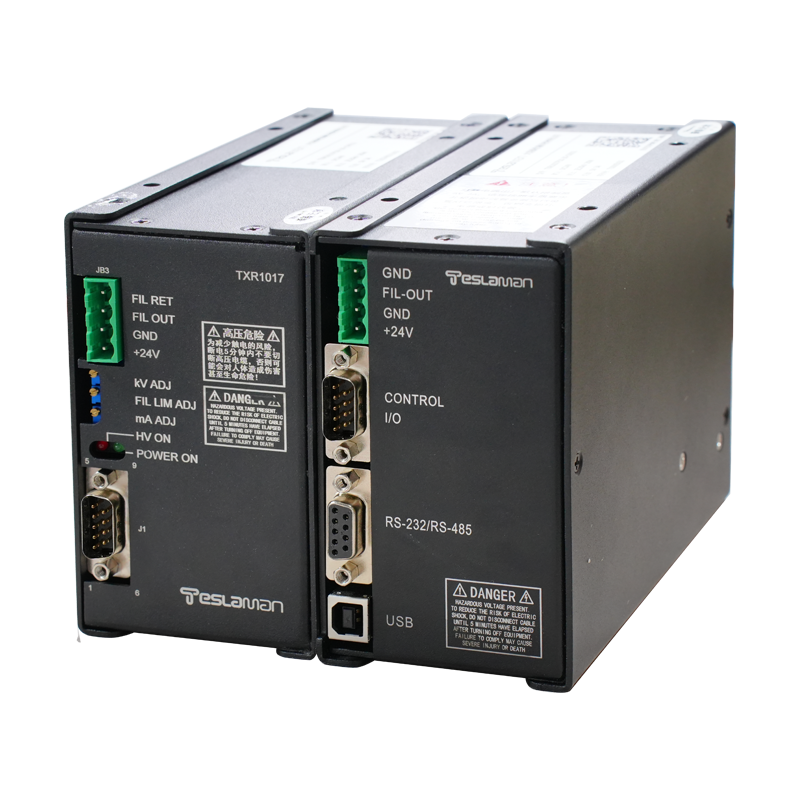
Voltage withstand testing is a fundamental quality control procedure for insulation materials, verifying that the material can safely withstand the expected operating voltages. The three hundred twenty kilovolt programmable high voltage power supply enables automated testing with precise control of the test voltage and duration. Automation improves test consistency, throughput, and safety compared to manual testing procedures.
Insulation materials are used throughout electrical systems to prevent current flow where it is not intended. These materials include solid insulators such as polymers and ceramics, liquid insulators such as transformer oil, and gaseous insulators such as air or sulfur hexafluoride. The insulation must withstand the normal operating voltage as well as transient overvoltages that occur during switching or fault conditions.
Voltage withstand testing applies a voltage higher than the rated operating voltage for a specified duration. The test voltage is typically based on standards that specify the test levels for different voltage classes and applications. If the insulation withstands the test without breakdown, it is considered acceptable for service. The test provides confidence that the insulation will perform reliably in operation.
The three hundred twenty kilovolt level is appropriate for testing insulation intended for high voltage applications. This voltage can stress insulation materials to reveal defects that might not be apparent at lower voltages. The programmable power supply enables precise setting of the test voltage according to the applicable standards and the specific test requirements.
Programmability enables automated test sequences that follow standard test procedures. The power supply can be programmed to ramp the voltage from zero to the test level at a specified rate, hold the voltage for the specified duration, and ramp down to zero. This controlled voltage profile prevents sudden voltage changes that could cause misleading test results or damage the test object.
The voltage ramp rate affects the test outcome. Too fast a ramp can cause overshoot or oscillations that exceed the intended test voltage. Too slow a ramp extends the test duration unnecessarily. Standards typically specify the ramp rate or the acceptable range. The programmable supply ensures consistent ramp rates for all tests.
The hold time at the test voltage allows time for any weak points in the insulation to break down. Standards specify the hold time, typically one minute for routine tests and longer for type tests. The programmable supply maintains the voltage accurately for the specified duration, ensuring consistent stress on the insulation.
Automation improves test throughput by eliminating manual setup and control. The test system can automatically configure the power supply for each test, execute the test sequence, record the results, and prepare for the next test. This automation enables testing of large numbers of samples with minimal operator intervention.
Safety is enhanced by automation because the operator does not need to manually control the high voltage. The automated system can include safety interlocks that prevent high voltage application unless the test area is secured. The system can also automatically shut down the voltage if any anomaly is detected, protecting both the operator and the test equipment.
Data logging captures the test parameters and results for each sample. The recorded data includes the test voltage, duration, current, and any events such as breakdown or partial discharge. This data provides documentation for quality records and enables statistical analysis of test results. Trends in the data can indicate changes in material quality or test conditions.
Integration with sample handling systems enables fully automated testing. Robotic systems can load samples into the test fixture, initiate the test, and unload the sample after completion. This integration is particularly valuable for high volume testing where manual handling would be impractical. The programmable power supply communicates with the handling system to coordinate the test sequence.
Breakdown detection is a critical function of the test system. The system must detect when insulation breakdown occurs and immediately terminate the test. Breakdown is indicated by a sudden increase in current, a voltage collapse, or both. Fast detection and response prevent excessive damage to the sample and the test equipment. The programmable supply typically includes overcurrent protection that responds within microseconds to breakdown events.