Research on Dielectric Material and Thermal Stability of High Voltage Power Supply for High Temperature Process Electrostatic Chuck
Electrostatic chucks for high temperature processes face demanding requirements that go beyond those of conventional room temperature applications. Processes such as rapid thermal processing, epitaxial growth, and high temperature annealing require chucking at temperatures exceeding several hundred degrees Celsius. The high voltage power supply and the electrostatic chuck must maintain reliable operation at these elevated temperatures, requiring careful selection of dielectric materials and attention to thermal stability.
High temperature processes in semiconductor manufacturing expose wafers to extreme thermal conditions. Rapid thermal processing can heat wafers to over one thousand degrees Celsius in seconds. Epitaxial growth occurs at temperatures of several hundred to over one thousand degrees Celsius. These processes require the wafer to be held securely on a chuck that is itself at elevated temperature, or that is thermally isolated from the hot wafer.
Electrostatic chucks at high temperature face multiple challenges. The dielectric material between the electrodes and the wafer must maintain its insulating properties at the operating temperature. The electrode materials must resist oxidation and degradation. The mechanical structure must accommodate thermal expansion without cracking or delamination. The high voltage power supply must operate reliably despite the thermal environment.
Dielectric materials for high temperature electrostatic chucks must have high dielectric strength, low leakage current, and good thermal conductivity at the operating temperature. Common materials include alumina, aluminum nitride, and specialized ceramics. These materials have dielectric strengths of tens of kilovolts per millimeter at room temperature, but the strength may decrease at elevated temperatures.
Alumina is a widely used dielectric for high temperature applications. It has good dielectric properties, excellent thermal stability, and is relatively inexpensive. However, its thermal conductivity is moderate, which can limit heat transfer through the chuck. Aluminum nitride offers higher thermal conductivity, enabling better temperature uniformity on the wafer, but is more expensive and more difficult to fabricate.
Leakage current through the dielectric increases with temperature due to the temperature dependence of the material resistivity. The leakage current represents a load on the high voltage power supply and can cause heating in the dielectric. Excessive leakage can degrade the chucking force and potentially damage the power supply. The dielectric material and thickness must be selected to maintain acceptable leakage at the maximum operating temperature.
Thermal expansion mismatch between the dielectric and the electrode or substrate materials can cause mechanical stress during temperature cycling. This stress can lead to cracking, delamination, or dimensional changes that affect the chuck performance. Matching the thermal expansion coefficients or using compliant interlayers can reduce the stress. The mechanical design must accommodate the thermal expansion while maintaining the required tolerances.
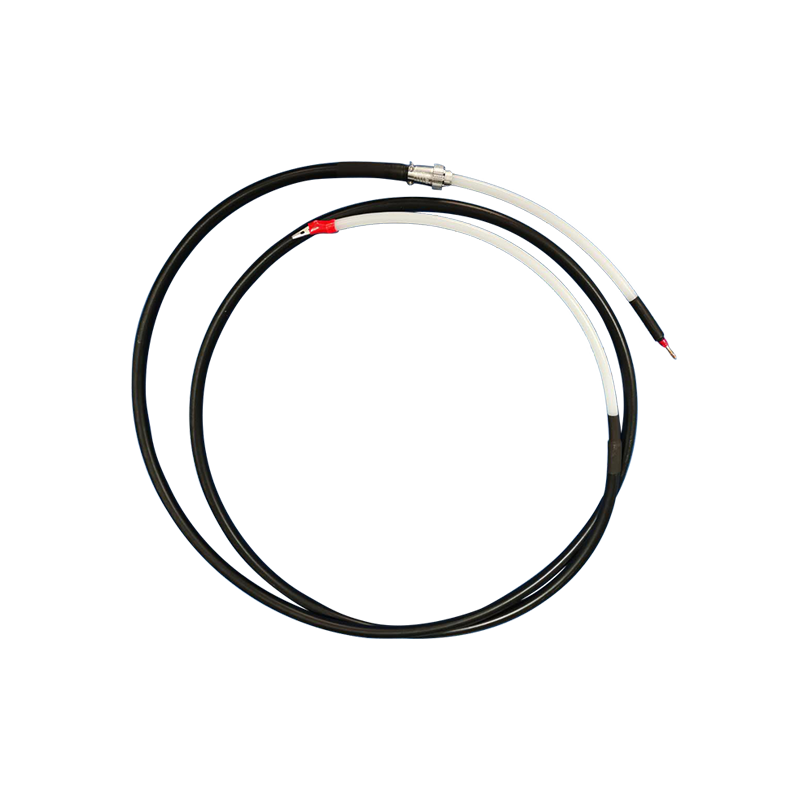
The high voltage power supply for high temperature electrostatic chucks may be located remotely from the hot zone, with high voltage cables connecting to the chuck. This arrangement protects the power supply from the thermal environment but requires careful cable routing and insulation. Alternatively, the power supply may be integrated with the chuck assembly, requiring high temperature rated components and thermal management.
Power supply components have maximum operating temperatures specified by the manufacturer. Semiconductor devices, capacitors, and other components may have temperature limits of one hundred twenty-five to one hundred fifty degrees Celsius for reliable operation. Operating near these limits requires derating the component specifications and may reduce the operational life. Thermal management within the power supply maintains acceptable component temperatures.
Temperature cycling during process operation causes thermal fatigue in the chuck and power supply. Each cycle causes expansion and contraction that can accumulate damage over many cycles. The design must accommodate the expected number of thermal cycles over the equipment lifetime. Accelerated life testing at temperature extremes can verify the reliability under cycling conditions.
Dielectric breakdown strength decreases with temperature for most materials. The voltage rating of the chuck must account for this decrease, with adequate margin at the maximum operating temperature. The power supply output voltage must be limited to safe values that account for the temperature dependent dielectric strength. Temperature sensors can enable voltage limiting based on the actual chuck temperature.