Energy Management and Endurance of High Voltage Power Supply for Micro Robot Electrostatic Adhesion
Micro robots use various adhesion mechanisms for climbing walls or grasping objects. Electrostatic adhesion uses the attractive force between charged electrodes and surfaces, providing a lightweight, controllable adhesion method suitable for micro robots. The high voltage power supply for electrostatic adhesion must be extremely energy efficient to enable long operating endurance from limited onboard energy storage.
Electrostatic adhesion works by applying high voltage to interdigitated electrodes on the robot foot or gripper. The electric field between the electrodes induces opposite charges in the surface, creating attractive forces. The adhesion force depends on the voltage, the electrode geometry, and the dielectric properties of the intervening materials.
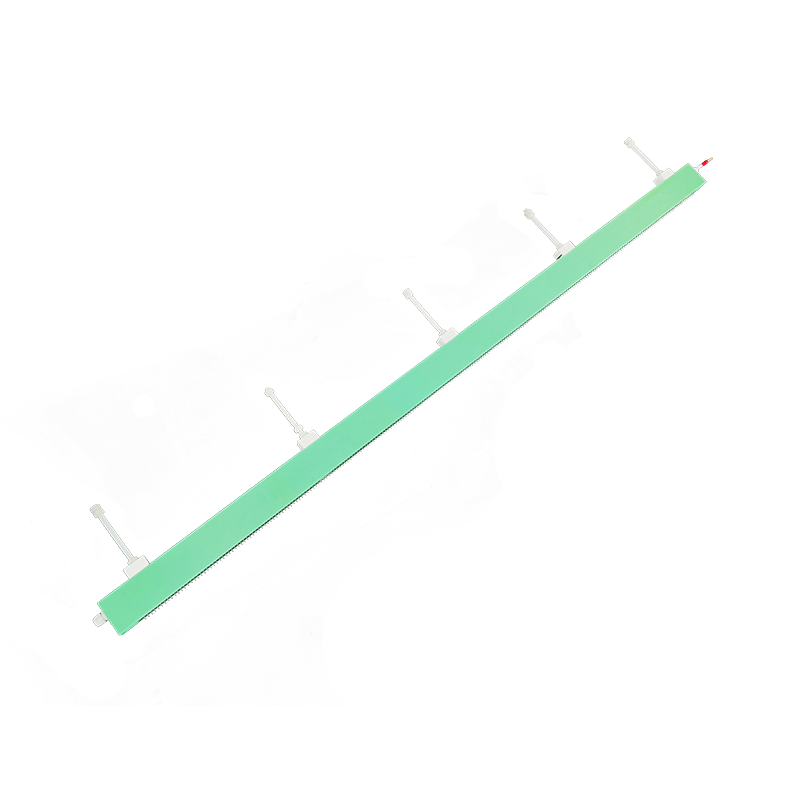
The electrodes are typically thin conductive traces on a flexible substrate. The flexibility allows the electrodes to conform to surface irregularities, maintaining close contact. A dielectric layer may cover the electrodes to prevent direct contact and short circuits. The electrode pattern, including the trace width and spacing, affects the adhesion force and the required voltage.
The required voltage for electrostatic adhesion is typically several kilovolts. The exact voltage depends on the electrode geometry, the surface material, and the required adhesion force. Higher voltages produce stronger adhesion but increase the power consumption and may cause breakdown or safety concerns.
Power consumption of electrostatic adhesion is primarily the leakage current through the dielectric and any surface contamination. In ideal conditions with perfect insulation and clean surfaces, the electrostatic adhesion would draw no steady state current after the initial charging. In reality, some leakage always occurs, drawing power from the supply.
The leakage current depends on the dielectric properties, the surface conditions, and the environmental humidity. Higher humidity increases surface conductivity and leakage. Contamination on the surface can provide conductive paths. The power supply must maintain the voltage despite this leakage current.
Energy efficiency is critical for micro robots with limited energy storage. The robot may operate from small batteries or energy harvesting systems. The adhesion power consumption directly affects the operating endurance. Minimizing the leakage through proper dielectric selection and surface management extends the endurance.
Duty cycling the adhesion voltage can reduce the average power consumption. The electrostatic adhesion can be maintained for a period after the voltage is removed, as the charge on the electrodes persists. By applying voltage only when needed to refresh the charge, the average power can be reduced while maintaining adhesion.
Charge retention depends on the dielectric properties and the leakage paths. High quality dielectrics with low leakage retain charge longer, enabling longer off periods in the duty cycle. The optimal duty cycle depends on the charge retention characteristics and the required adhesion reliability.
Voltage optimization finds the minimum voltage that provides adequate adhesion. Operating at the minimum voltage reduces the leakage current and the power consumption. The optimal voltage depends on the surface material, the robot weight, and the safety margin for dynamic loads.
The power supply must be lightweight and compact to fit on the micro robot. Miniaturized high voltage converters using piezoelectric transformers or switched capacitor circuits can achieve small size. The efficiency of the converter affects the overall energy consumption, as losses in the converter add to the load power.
Energy harvesting can extend the operating endurance by replenishing the energy storage during operation. Solar cells, vibration harvesters, or thermal harvesters can provide energy to charge the batteries. The energy management system balances the harvested energy with the consumption, optimizing the operating time.
Thermal management in micro robots is challenging due to the limited surface area for heat dissipation. The power supply losses generate heat that must be dissipated to maintain acceptable temperatures. The thermal design must ensure that the temperature does not exceed component ratings or cause user discomfort if the robot is handled.