Portable Design and Application Cases of High Voltage Power Supply for Cultural Relic Nondestructive Testing
Nondestructive testing of cultural relics and archaeological artifacts provides valuable information about composition, structure, and condition without damaging the objects. Many nondestructive techniques require high voltage for X ray generation, particle acceleration, or other functions. Portable high voltage power supplies enable in situ examination of artifacts that cannot be moved to a laboratory, expanding the application of these techniques.
Cultural relics include paintings, sculptures, ceramics, metals, textiles, and archaeological finds. These objects may be located in museums, storage facilities, archaeological sites, or historic buildings. Moving fragile or valuable objects to a laboratory involves risk and may not be permitted. Portable equipment enables examination at the object location, reducing handling and transportation.
X ray radiography reveals internal structures and hidden features. X rays penetrate the object and are recorded on film or a digital detector. Variations in thickness and composition appear as variations in the recorded intensity. Hidden features such as underpaintings, internal cracks, or construction details can be revealed. The X ray tube requires a high voltage power supply to accelerate electrons.
X ray fluorescence analysis determines the elemental composition of the object surface. X rays excite characteristic fluorescence from the elements present. The fluorescence spectrum identifies the elements and their concentrations. The technique is valuable for identifying pigments, metals, and other materials. The X ray source requires high voltage for the tube operation.
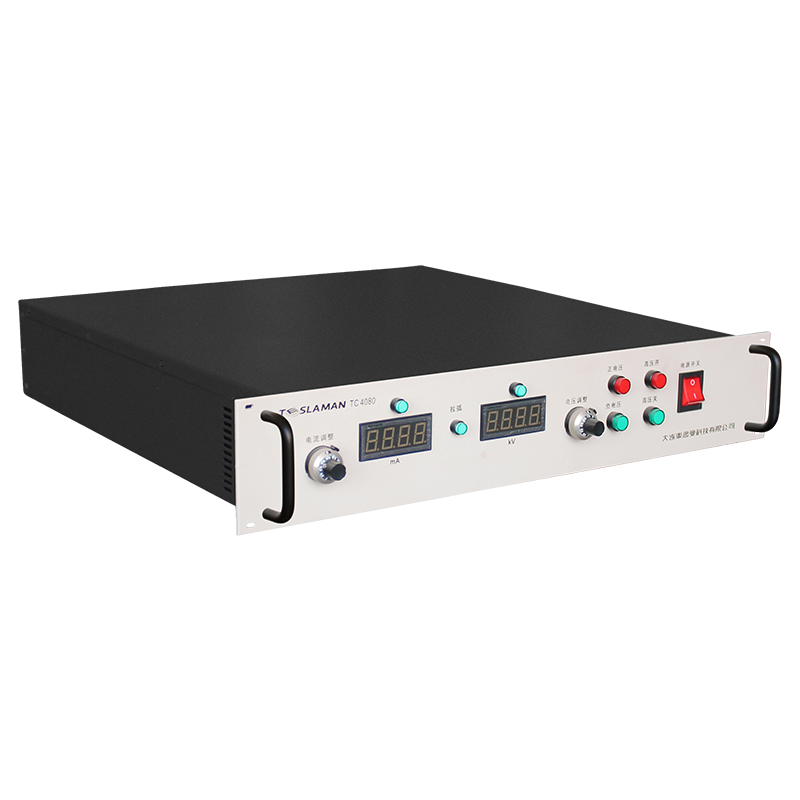
Portable X ray systems for cultural heritage typically operate at voltages from tens to hundreds of kilovolts, depending on the object thickness and density. The power supply must be compact and lightweight for transport. The output must be stable and controllable for different examination requirements. Battery operation may be needed for sites without power.
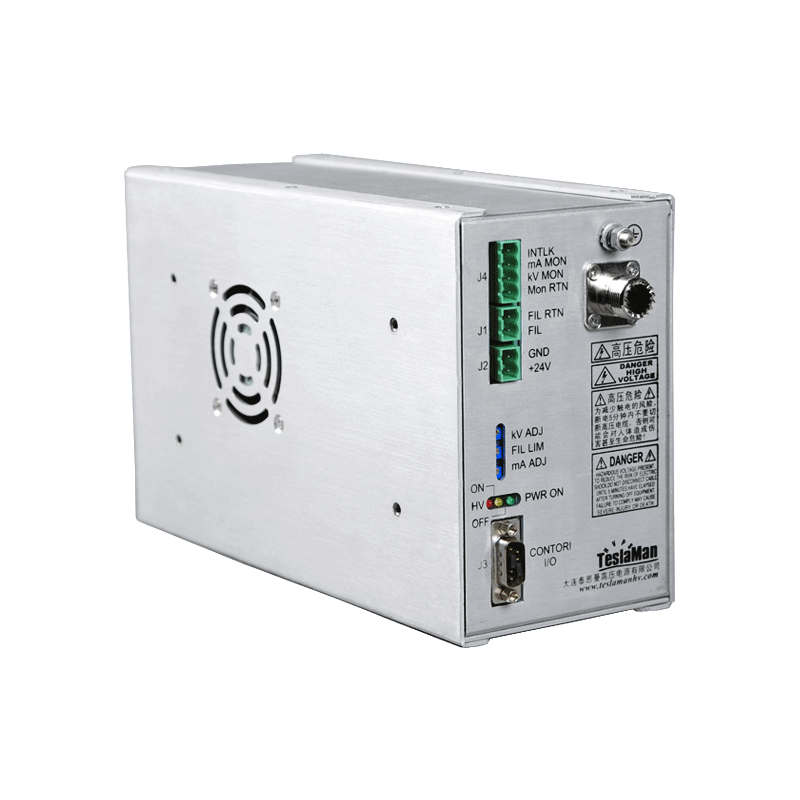
Design for portability emphasizes compact size and low weight. The power supply components must be selected and arranged for minimum volume. Lighter materials are used where possible. The enclosure must be rugged enough for transport and field use. Handles or cases facilitate carrying.
Battery operation enables use at remote sites. The power supply must operate from battery power, either directly or through an inverter. The battery capacity must support the expected operating time. Recharging between uses must be practical. The power supply efficiency affects the battery life.
Safety considerations are important for field use of high voltage and X rays. Radiation shielding must protect the operator and bystanders. Interlocks should prevent operation when the system is not properly configured. Warning indicators should show when high voltage or X rays are present. The safety features must be appropriate for operation by non specialists.
Application cases demonstrate the value of portable high voltage systems for cultural heritage. Examination of paintings has revealed underdrawings and alterations by the artist or restorers. Analysis of metal sculptures has identified the alloy composition and manufacturing techniques. Study of archaeological finds has provided information about ancient technology and trade.
At archaeological sites, portable systems enable examination of finds during excavation, before deterioration from exposure occurs. X ray examination of soil blocks containing artifacts can guide the excavation strategy. On site analysis can inform conservation treatment decisions.
In museums, portable systems enable examination of objects in storage or on display without moving them. Large or fragile objects that cannot be transported to a laboratory can be examined in place. Comparison of multiple objects can be performed efficiently.
Documentation of the examination results combines the technical measurements with interpretation by specialists. The documentation becomes part of the object record, informing future research and conservation. Standardized procedures ensure that the results are reproducible and comparable across different examinations.