Emission Reduction Effect and Economy of High Voltage Electrostatic Power Supply for Industrial Boiler Flue Gas
Industrial boilers generate flue gas containing particulate matter that must be removed before emission to meet environmental regulations. Electrostatic precipitators powered by high voltage supplies are widely used for particulate control due to their high efficiency and low pressure drop. The emission reduction performance and the economic factors including capital cost, operating cost, and maintenance cost determine the value proposition of these systems.
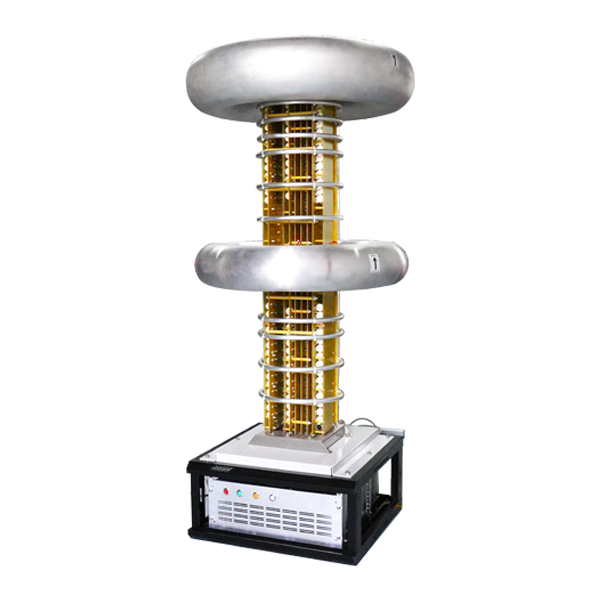
Electrostatic precipitation removes particles by charging them in a corona discharge and collecting them on plates under the influence of an electric field. The high voltage power supply energizes the discharge electrodes to produce the corona. The voltage level determines the electric field strength and the charging efficiency. The current determines the ion production rate and the power consumption.
The collection efficiency depends on the particle properties, the gas conditions, and the precipitator design. Larger particles are collected more easily than smaller particles. The efficiency typically exceeds ninety-nine percent for particles larger than ten micrometers but decreases for submicron particles. The overall efficiency must meet the regulatory emission limits.
The high voltage power supply characteristics affect the collection efficiency. Higher voltages produce stronger fields and more effective charging, but excessive voltage causes sparking that reduces the effective field. The power supply must provide the optimal voltage for the conditions, with spark suppression to prevent excessive sparking.
Power consumption is a major operating cost. The power is the product of voltage and current. The current depends on the corona characteristics and the particle loading. Higher particle loading draws more current as particles intercept the ions. The power consumption varies with the boiler load and the fuel characteristics.
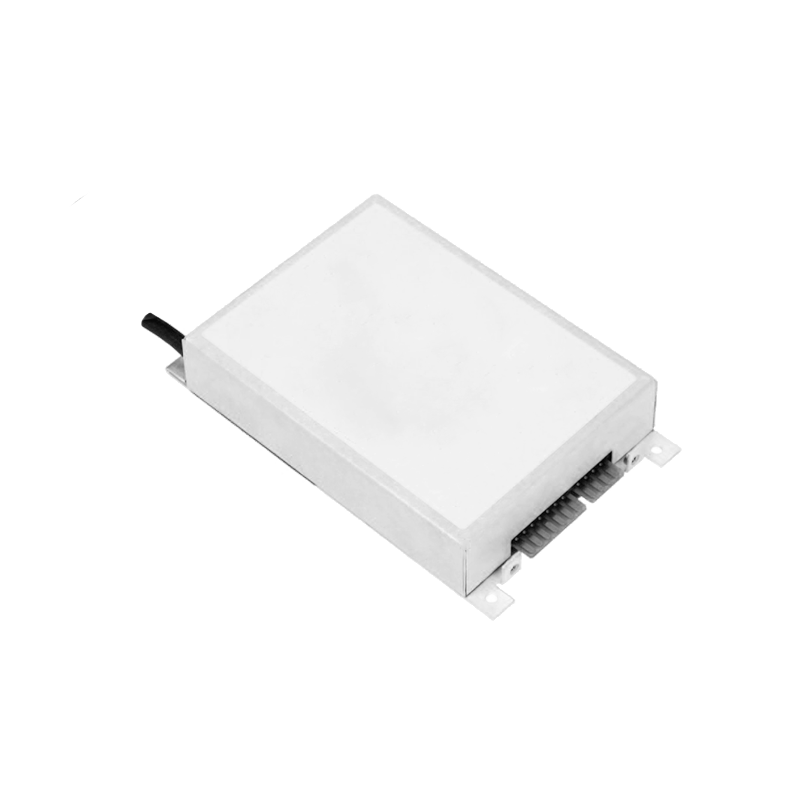
Energy efficiency optimization reduces the operating cost. The power supply efficiency, the ratio of DC output power to AC input power, affects the total power consumption. Modern switching power supplies achieve efficiencies above ninety percent. The precipitator operation can also be optimized to use the minimum power while maintaining the required efficiency.
Capital cost includes the precipitator structure, the power supply, and the installation. The precipitator size depends on the gas volume and the required efficiency. Larger precipitators cost more but achieve higher efficiency. The power supply cost depends on the power rating and the sophistication of the control system.
Maintenance costs include regular inspection, cleaning, and replacement of worn components. The electrodes and collection plates accumulate ash that must be removed by rapping or washing. The electrodes can wear from erosion or corrosion. The power supply components have finite life and require periodic replacement. The maintenance schedule affects both the cost and the reliability.
Economic analysis compares the total cost of ownership against the benefits of emission compliance. The analysis includes the capital cost, the present value of operating costs over the system life, and the present value of maintenance costs. The benefits include avoided penalties for noncompliance and potential revenue from selling collected ash.
Comparison with alternative technologies provides context for the economic evaluation. Fabric filters offer high efficiency but have higher pressure drop and power consumption. Wet scrubbers can remove gaseous pollutants along with particles but have high water consumption. The choice depends on the specific application requirements and the overall economics.
Regulatory drivers affect the economic calculation. Stricter emission limits may require upgrades to existing systems or installation of additional controls. The cost of noncompliance, including fines and operational restrictions, motivates investment in emission control. The regulatory trend toward lower limits increases the value of effective control systems.
Life cycle assessment considers the environmental impact beyond direct emissions. The manufacturing impact, the energy consumption during operation, and the disposal impact all contribute to the overall environmental footprint. The high efficiency of electrostatic precipitation typically results in favorable life cycle performance compared to alternatives.