Electric Field Parameter Optimization for High Voltage Pulsed Electric Field Assisted Wine Aging
Wine aging traditionally requires years of storage under controlled conditions to develop the complex flavor and aroma characteristics associated with mature wines. The aging process involves numerous chemical reactions including oxidation, esterification, polymerization, and Maillard reactions that proceed slowly at ambient temperatures. High voltage pulsed electric field treatment has emerged as a promising technology for accelerating wine aging, applying intense electric field pulses to modify the molecular structure and reaction kinetics in wine. The electric field parameters including field strength, pulse duration, pulse number, and treatment temperature critically determine the aging acceleration and the quality of the resulting wine. Optimization of these parameters enables effective acceleration while preserving or enhancing the desirable characteristics of the wine.
The pulsed electric field treatment exposes wine to brief pulses of intense electric field, typically ranging from 10 to 50 kilovolts per centimeter. The electric field causes several effects in the wine matrix that may contribute to accelerated aging. Electroporation of cell membranes in any remaining yeast or bacterial cells releases intracellular compounds that can participate in aging reactions. The electric field can affect the structure of water and the solvation of organic compounds, potentially modifying reaction rates. The field can also directly influence chemical equilibria and reaction pathways through electrochemical effects.
The electric field strength determines the magnitude of the electrical stress on the wine components. Higher field strengths produce stronger effects but may also cause undesirable changes such as electrolysis, heating, or degradation of sensitive compounds. The field strength must be sufficient to produce the desired aging acceleration while remaining below the threshold for negative effects. The optimal field strength may vary with wine type, initial composition, and desired aging characteristics.
Pulse duration affects the energy delivered per pulse and the nature of the interaction with the wine. Short pulses in the microsecond range deliver energy before significant heating occurs, minimizing thermal effects. Longer pulses allow more energy transfer but may cause heating that affects the wine chemistry. The pulse duration also affects the electroporation efficiency for any cellular material in the wine. Multiple short pulses may provide equivalent treatment to fewer long pulses while better controlling the temperature rise.
The number of pulses determines the total treatment energy and the cumulative effect on the wine. More pulses provide more extensive treatment but also increase the total energy input and potential for heating. The relationship between pulse number and aging effect may not be linear, as the wine chemistry may saturate or the effects may accumulate in complex ways. Finding the optimal pulse number requires experimentation across a range of treatment levels.
Treatment temperature during and after pulsed electric field exposure affects the wine chemistry. Higher temperatures accelerate chemical reactions but may also promote undesirable reactions or volatilize important aroma compounds. The pulsed electric field treatment itself causes some heating through resistive dissipation of the electrical energy. Temperature control during treatment limits the maximum temperature experienced by the wine. Post treatment temperature management controls the reaction environment as the wine chemistry continues to evolve.
The treatment chamber geometry determines the electric field distribution in the wine and the flow characteristics during treatment. Parallel plate chambers provide uniform field in the gap between electrodes, suitable for batch treatment of wine samples. Coaxial chambers provide a radial field distribution with flow through the annular region, suitable for continuous flow treatment. The electrode material must be compatible with wine, avoiding contamination through electrode erosion or electrochemical reactions.
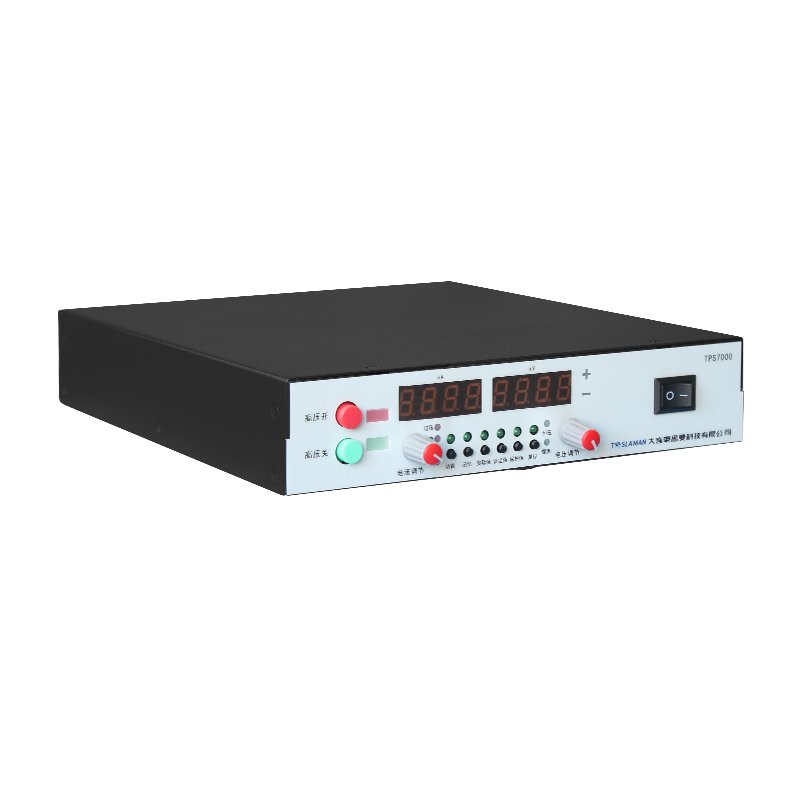
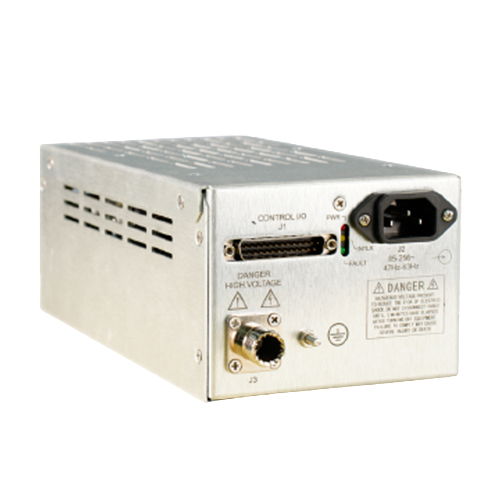
High voltage power supply requirements for wine treatment include the ability to generate the required field strength, the pulse characteristics, and the repetition rate for continuous treatment. The supply must provide clean pulses without significant overshoot or ringing that could affect the treatment consistency. Voltage stability ensures that each pulse delivers the intended field strength. The supply must handle the load presented by the treatment chamber, which may have complex impedance characteristics.
Sensory evaluation of treated wines assesses the effects of the pulsed electric field treatment on the organoleptic properties. Trained panelists evaluate attributes including appearance, aroma, taste, and mouthfeel, comparing treated wines with control samples and traditionally aged wines. Chemical analysis complements sensory evaluation by quantifying specific compounds associated with wine quality. The combination of sensory and analytical data guides optimization of the treatment parameters.
Different wine types may require different treatment parameters due to variations in composition, structure, and aging requirements. Red wines with higher phenolic content may respond differently than white wines. Wines with higher alcohol content have different electrical properties that affect the field distribution and energy absorption. Optimization studies should consider the specific wine types of interest rather than assuming universal parameters.