Pulse Modulation Mode of High Voltage Bias Power Supply for Inductively Coupled Plasma Etcher
Inductively coupled plasma etchers are essential tools in semiconductor manufacturing for patterning thin films through plasma assisted chemical and physical etching processes. The etch characteristics including rate, selectivity, anisotropy, and damage are determined by the plasma conditions and the ion bombardment energy at the substrate. The high voltage bias power supply that powers the substrate electrode enables control of the ion bombardment through various pulse modulation modes that offer advantages over continuous wave operation.
The inductively coupled plasma source generates a high density plasma by applying radio frequency power to an inductive coil wrapped around a dielectric tube. The alternating magnetic field from the coil induces an electric field in the plasma that accelerates electrons, sustaining the discharge. The plasma densities achieved are typically an order of magnitude higher than in capacitively coupled discharges, providing high ion fluxes for etching. The plasma potential is relatively low in inductively coupled plasmas, reducing the ion energy at the substrate without applied bias.
The bias power supply applies radio frequency power to the substrate electrode, creating a sheath with a time averaged potential that accelerates ions toward the substrate. The ion energy distribution depends on the bias waveform, the sheath dynamics, and the ion mass. In continuous wave operation with a single radio frequency, the ion energy distribution has a characteristic shape with a peak at the maximum energy and a tail extending to lower energies. The width of the distribution depends on the ratio of the radio frequency period to the ion transit time across the sheath.
Pulse modulation of the bias power supply offers enhanced control over the ion energy distribution compared to continuous wave operation. Synchronous pulsing, where the bias is applied only during specific phases of the source plasma, can synchronize the ion bombardment with the plasma conditions. Dual frequency operation, where two radio frequencies are applied simultaneously or alternately, can provide independent control of ion flux and ion energy. Pulsed direct current bias, where the bias is switched between high and low voltages, can create bimodal ion energy distributions.
The pulse parameters including pulse duration, duty cycle, and voltage levels determine the ion energy characteristics. Short pulses with high voltage can create narrow ion energy distributions with high peak energy, useful for anisotropic etching where vertical etching is desired. Longer pulses or continuous operation creates broader distributions that may be useful for selective etching where different materials etch at different rates. The duty cycle affects the average ion energy and the total ion flux to the substrate.
Synchronization between the bias pulsing and the source plasma pulsing can provide additional control dimensions. When the source plasma is pulsed, the plasma density varies during the afterglow period after the power is turned off. Synchronizing the bias pulse with specific phases of the source plasma cycle can optimize the ion energy and flux for particular etching requirements. The timing precision required depends on the plasma time constants, which are typically microseconds.
Process benefits of pulsed bias operation include reduced charging damage, improved etch selectivity, and enhanced profile control. Charging damage occurs when insulating regions on the substrate accumulate charge from the ion flux, creating local electric fields that can damage thin gate oxides. Pulsed bias can allow charge neutralization during off periods, reducing the accumulated charge. Selectivity improvements arise from the different responses of different materials to ion energy variations. Profile control benefits from the ability to tailor the ion energy distribution for the desired sidewall passivation.
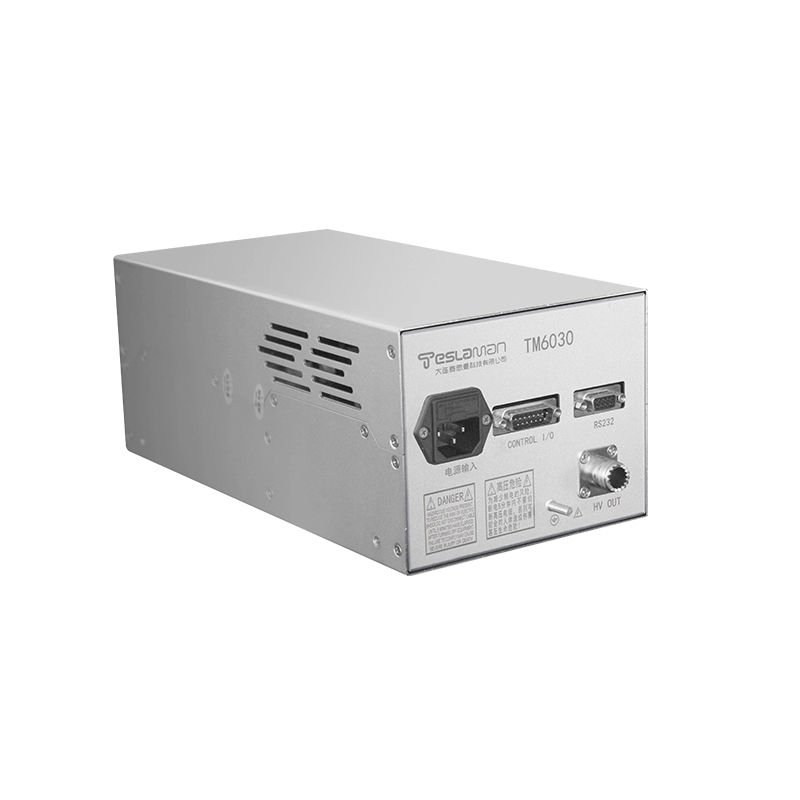
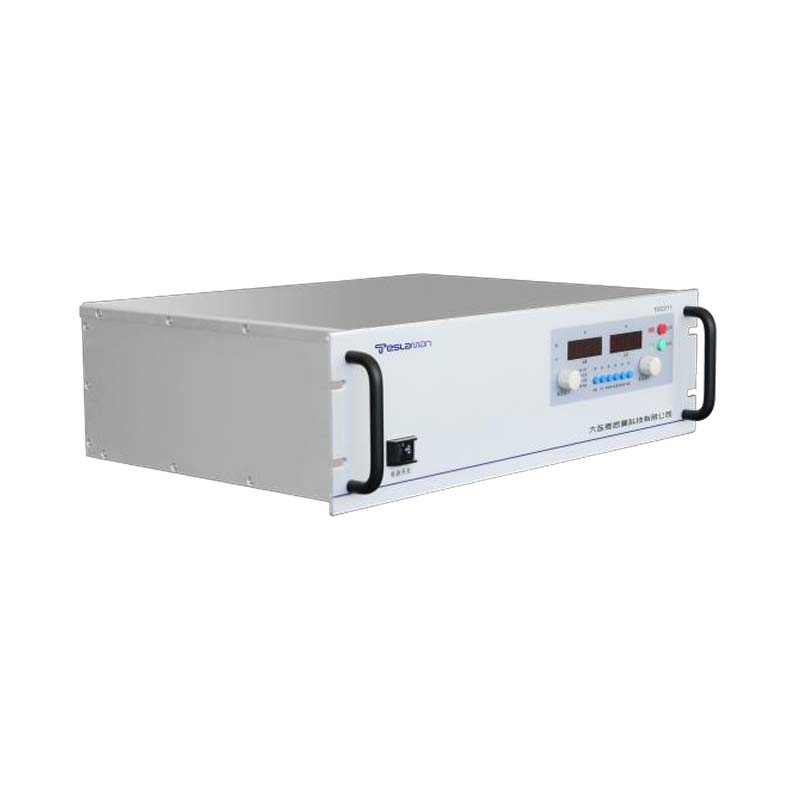
Implementation of pulsed bias power supplies requires high speed switching of radio frequency power or the ability to modulate the output amplitude rapidly. Solid state switches or fast amplitude modulators enable the required switching speeds. The power supply must maintain impedance matching throughout the pulse cycle, as the plasma impedance may change with the bias conditions. Fast matching networks or matching algorithms that anticipate the impedance changes enable efficient power delivery during pulsed operation.
Diagnostics for pulsed plasma processes include time resolved measurements of ion energy distributions, plasma density, and optical emission. Retarding field analyzers can measure the ion energy distribution with time resolution synchronized to the pulse cycle. Langmuir probes can measure the plasma density evolution during the pulse. Optical emission spectroscopy can monitor the plasma chemistry and the etch products. These diagnostics enable optimization of the pulse parameters for specific etching applications.