Safety Protection Mechanism and Misoperation Prevention of High Voltage Power Supply for Teaching Experiment
Teaching laboratories introduce students to high voltage phenomena through controlled experiments that demonstrate electrical principles while maintaining absolute safety. The high voltage power supplies for educational use must incorporate comprehensive safety features that protect students from electrical hazards even if they make mistakes or misuse the equipment. The design philosophy prioritizes safety above all other considerations, implementing multiple layers of protection that prevent any single failure from creating a hazardous condition.
Electrical safety in teaching environments addresses several hazard types including electric shock from contact with live conductors, arc flash from short circuits, and fire from overheated components. The power supply design must prevent exposure to hazardous voltages, limit the available energy to reduce shock and arc flash severity, and prevent overheating through appropriate ratings and thermal protection.
Enclosure design for safety prevents access to internal high voltage circuits. The enclosure should have no openings large enough to insert fingers or objects that could contact live parts. Interlocked covers disconnect power when opened, preventing access to energized circuits. Terminals and connections should be shrouded or recessed to prevent accidental contact. The enclosure material should be nonconductive or grounded metal, with appropriate insulation from internal circuits.
Output terminal design limits the available current and energy to reduce shock hazard. Current limiting restricts the maximum current that can flow through a person contacting the output. Energy limiting restricts the stored energy that could be discharged through a person. For teaching supplies, the output may be limited to currents below the let go threshold, typically a few milliamperes, ensuring that a person can release their grip if they contact the output.
Interlock systems prevent operation when safety conditions are not met. Door interlocks disable the high voltage when enclosure doors are open. Ground interlocks verify that the return path is properly connected before enabling output. External interlock inputs allow connection to facility safety systems such as emergency stop circuits or door switches. The interlock system should fail safe, disabling output if the interlock circuit is open or interrupted.
Misoperation prevention addresses common student errors including incorrect connections, control adjustments beyond safe limits, and operation without proper setup. Clear labeling and color coding help students make correct connections. Control limits prevent adjustment beyond the safe operating range. Sequencing controls require proper startup procedures before high voltage is enabled. Warning indicators alert students to conditions that could lead to problems.
Emergency stop capability provides immediate shutdown in case of accident or unexpected behavior. Emergency stop buttons should be prominently located and easily accessible. Activating emergency stop should remove all hazardous outputs and bring the system to a safe state. The emergency stop function should be fail safe and should require explicit reset before operation can resume.
Ground fault protection detects leakage current that could indicate contact with the output or insulation failure. Ground fault circuit interrupters compare the current in the output and return conductors, tripping if the difference exceeds a threshold. For teaching supplies, the ground fault threshold may be set very low to provide sensitive protection. Ground fault indication helps students understand the importance of proper grounding.
Overload and short circuit protection prevents damage from excessive current. Current limiting or current shutdown protects the power supply and the external circuit if a short circuit occurs. Overload protection activates if the load draws excessive current for too long. The protection should be automatic and should not require fuse replacement or manual reset, enabling quick return to operation after the fault is cleared.
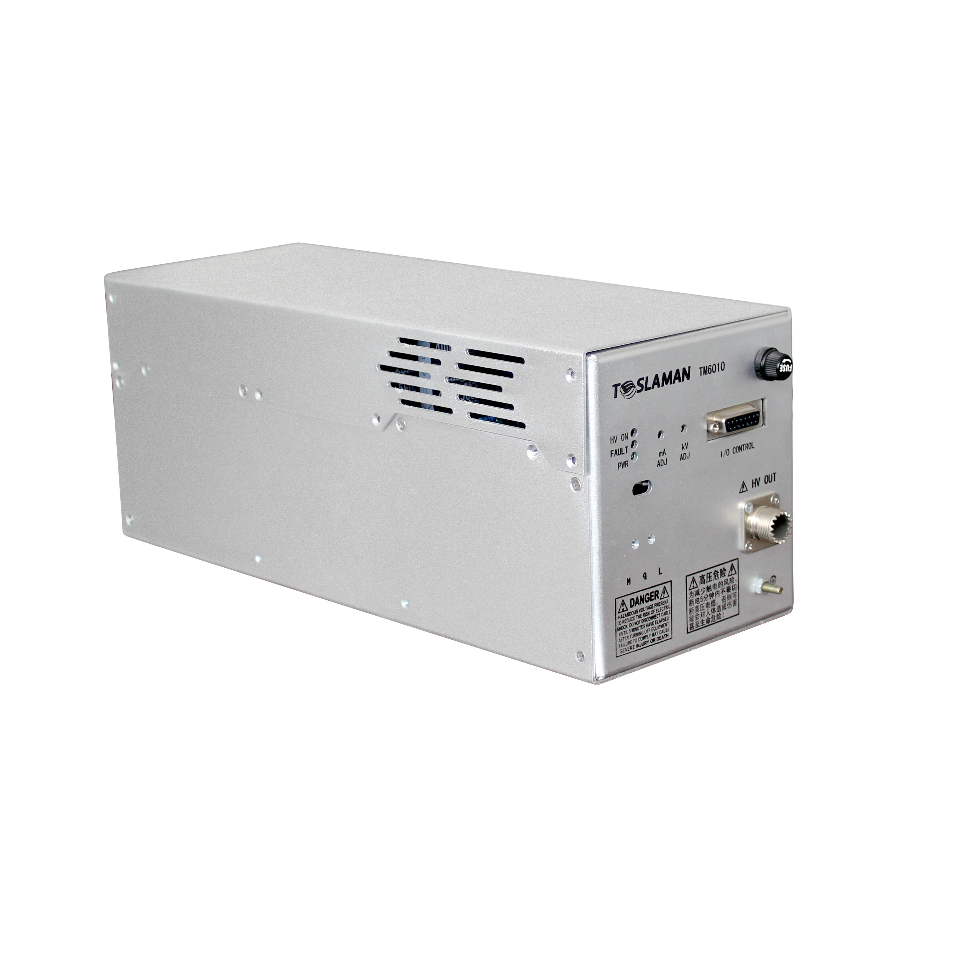
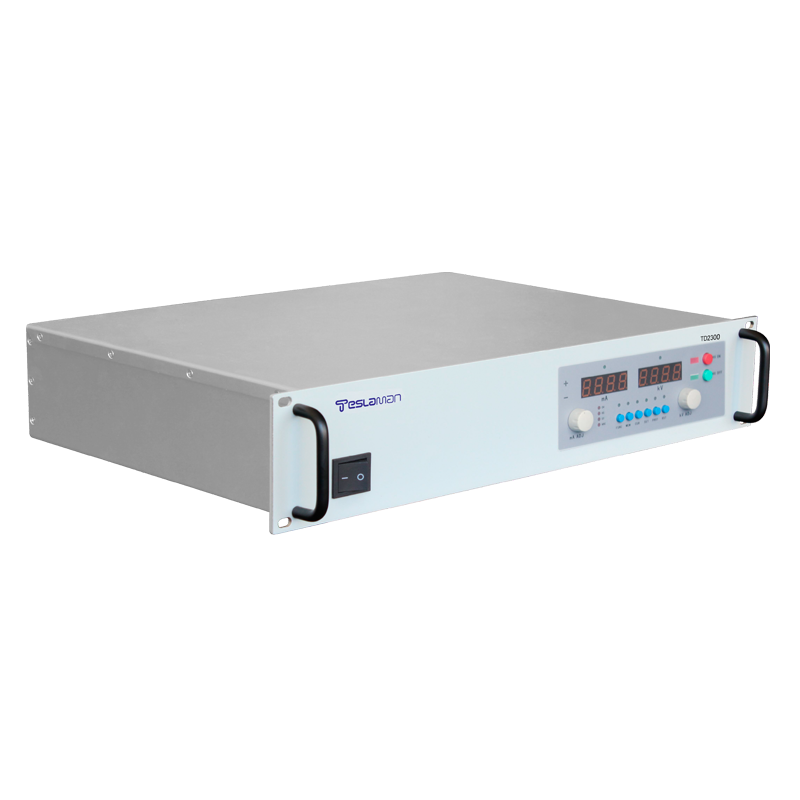
User interface design for teaching supplies emphasizes clarity and intuitive operation. Controls should be clearly labeled with their function and the expected effect. Meters should be easily readable with appropriate scales for the experiments. Status indicators should clearly show the operating state and any fault conditions. Instructions and warnings on the front panel reinforce proper operating procedures.
Documentation and training materials support safe use of the equipment. Operating instructions should clearly explain the proper procedures, the safety features, and the emergency response. Laboratory exercises should include safety briefings that cover the specific hazards and precautions. Instructor guides should include safety checklists and supervision requirements. The documentation should be updated when new hazards are identified or procedures are changed.