Electrode Lifetime and Efficiency of High Voltage Pulse Power Supply for Electrochemical Wastewater Treatment
Electrochemical wastewater treatment uses high voltage pulse power supplies to drive electrochemical reactions that degrade pollutants in wastewater. The treatment efficiency depends on the electrode reactions, which are influenced by the pulse parameters and the electrode condition. Electrode lifetime is a critical operational concern, as electrodes degrade through various mechanisms during treatment, eventually requiring replacement. Understanding the factors affecting electrode lifetime and treatment efficiency enables optimization of the power supply operation and the treatment process.
Electrochemical treatment processes include electrooxidation, electrocoagulation, and electroflotation. Electrooxidation uses anodic reactions to oxidize organic pollutants, either directly on the electrode surface or indirectly through generated oxidants. Electrocoagulation uses sacrificial anodes that dissolve to release coagulant ions that remove pollutants. Electroflotation uses gas evolution at electrodes to generate bubbles that float pollutants. Each process has different electrode requirements and degradation mechanisms.
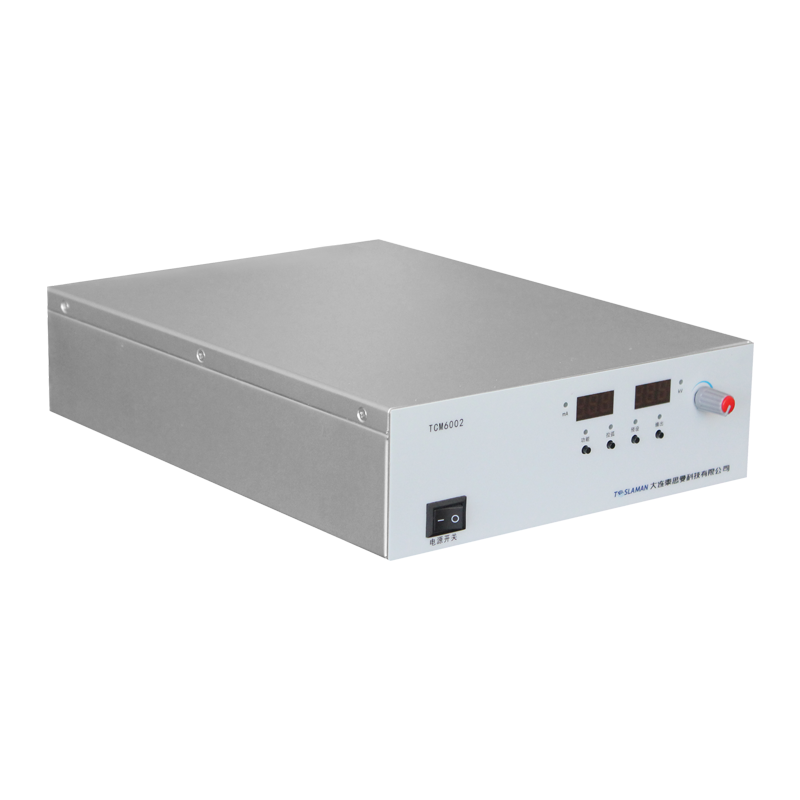
The high voltage pulse power supply provides the electrical energy for the electrochemical reactions. The pulse voltage determines the electrode potential, which affects the reaction rates and the types of reactions that occur. The pulse current determines the reaction rate per unit electrode area. The pulse waveform affects the mass transport and the electrode surface condition. The pulse parameters influence both the treatment efficiency and the electrode degradation.
Anode degradation mechanisms include corrosion, passivation, and fouling. Corrosion is the dissolution of the electrode material into the solution, which is the intended mechanism for sacrificial anodes in electrocoagulation but is undesirable for inert anodes in electrooxidation. Passivation is the formation of an oxide layer that reduces the electrode activity, potentially decreasing treatment efficiency. Fouling is the deposition of reaction products or other materials on the electrode surface, blocking active sites.
Cathode degradation mechanisms include scaling and hydrogen embrittlement. Scaling is the deposition of insoluble materials such as calcium carbonate on the cathode surface, caused by the elevated pH near the cathode from hydrogen evolution. Hydrogen embrittlement is the absorption of hydrogen into the electrode material, causing mechanical weakening and potential fracture.
Pulse parameters affect electrode degradation through several mechanisms. Higher voltages cause more aggressive reactions that may accelerate corrosion or passivation. Higher currents increase the reaction rates and the electrode consumption. Pulse duration affects the time available for electrode processes including surface reactions and mass transport. Pulse frequency affects the electrode recovery between pulses.
Polarity reversal periodically reverses the electrode polarity, which can reduce scaling and passivation. When the cathode becomes the anode, the acidic conditions near the anode can dissolve scale deposits. When the anode becomes the cathode, the reducing conditions can reduce oxide layers. Polarity reversal extends electrode lifetime but may affect treatment efficiency during the reversal periods.
Electrode material selection affects both lifetime and efficiency. Inert anode materials such as titanium with oxide coatings provide long lifetime for electrooxidation but may have higher cost. Sacrificial anode materials such as iron or aluminum provide efficient coagulant generation but require regular replacement. The material selection must balance lifetime, efficiency, and cost for the specific application.
Electrode geometry affects the current distribution and the local reaction rates. Uniform current distribution provides even electrode wear and consistent treatment. Nonuniform distribution causes localized high current regions that wear faster and may cause premature failure. Electrode design should promote uniform distribution through appropriate geometry and spacing.
Electrode spacing affects the cell voltage and the mass transport. Closer spacing reduces the solution resistance and the required voltage, potentially improving efficiency. However, closer spacing may restrict flow and cause fouling accumulation. Wider spacing increases voltage but may improve flow and reduce fouling. The spacing must be optimized for the specific wastewater and treatment requirements.
Wastewater characteristics affect electrode degradation. High chloride concentrations can cause aggressive corrosion of some anode materials. High calcium concentrations can cause rapid cathode scaling. Organic pollutants can cause electrode fouling. Suspended solids can cause abrasive wear. The wastewater composition must be considered in electrode selection and operating parameters.
Maintenance strategies extend electrode lifetime through regular cleaning and conditioning. Mechanical cleaning removes scale and fouling deposits. Chemical cleaning dissolves deposits that mechanical cleaning cannot remove. Electrochemical conditioning applies specific potentials or currents to restore electrode activity. The maintenance schedule depends on the degradation rate and the treatment requirements.
Lifetime prediction models estimate the remaining electrode life based on operating history and current condition. The models may use empirical relationships between operating parameters and degradation rates, or may use physical models of degradation mechanisms. Prediction enables planning for electrode replacement before failure causes treatment interruption.