Integrated Design and Performance Testing of High Voltage Electrophoresis Power Supply for Microfluidic Chip
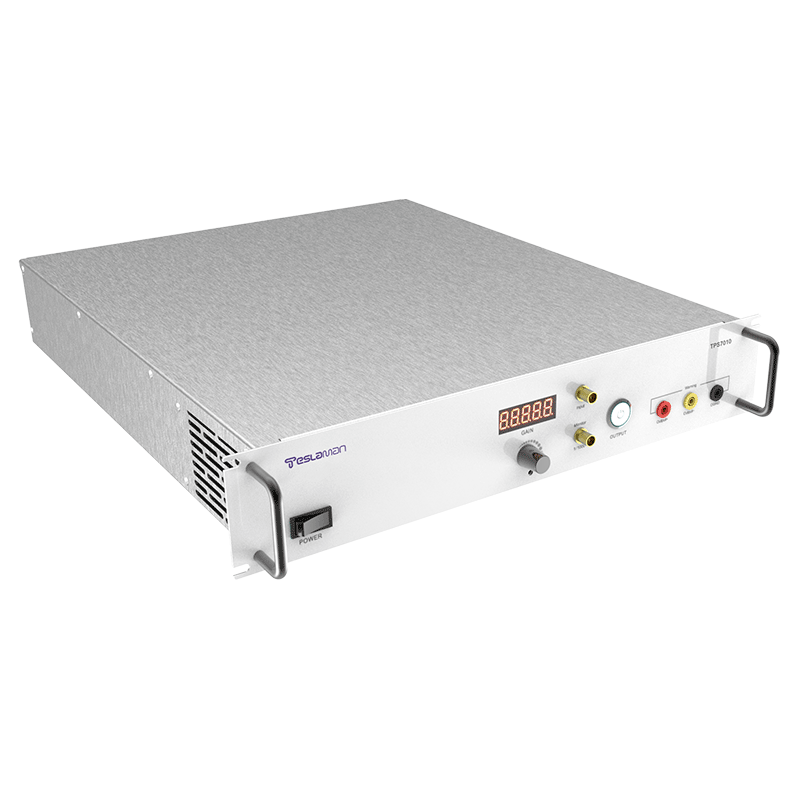
Microfluidic chips miniaturize laboratory processes onto small platforms that manipulate fluids through microscale channels and chambers. Electrophoresis on microfluidic chips separates analytes based on their electrophoretic mobility, enabling rapid analysis with minimal sample consumption. The high voltage power supply for microfluidic electrophoresis must be integrated with the chip platform, providing precise voltage control in a compact format suitable for portable or benchtop instruments.
Capillary electrophoresis separates analytes by applying high voltage across a capillary filled with buffer solution. The electric field drives analytes through the capillary at velocities determined by their charge and size. Different analytes arrive at the detection point at different times, enabling identification and quantification. Microfluidic electrophoresis implements this process in microfabricated channels, reducing the separation length and the analysis time.
Microfluidic electrophoresis channels are fabricated in glass, silicon, or polymer substrates using microfabrication techniques. The channel dimensions are typically tens to hundreds of micrometers in width and depth, with lengths of centimeters. Electrodes at the channel ends contact the buffer solution for voltage application. The chip may include sample injection structures, separation channels, and detection regions in an integrated layout.
The high voltage power supply for microfluidic electrophoresis provides the electric field for separation. Typical separation voltages range from hundreds to thousands of volts, depending on the channel length and the desired field strength. The field strength determines the analyte velocity and the separation speed. Higher fields provide faster separation but may cause Joule heating that affects separation quality.
Voltage precision affects the reproducibility of separation results. The migration time of analytes depends on the applied voltage, with higher voltages producing faster migration. Variations in voltage cause variations in migration times, affecting identification and quantification. The power supply must provide stable, precise voltage to enable reproducible separations.
Current monitoring during electrophoresis provides information about the separation process. The current depends on the buffer conductivity, the channel dimensions, and the applied voltage. Changes in current may indicate changes in buffer composition, channel blockage, or bubble formation. Monitoring the current enables detection of problems that could affect separation quality.
Integrated design places the power supply electronics in close proximity to the microfluidic chip. The integration reduces the interconnect length, minimizing parasitic effects and enabling compact instrument packaging. The integrated power supply may be mounted on the chip carrier, on a circuit board adjacent to the chip, or within the instrument enclosure near the chip.
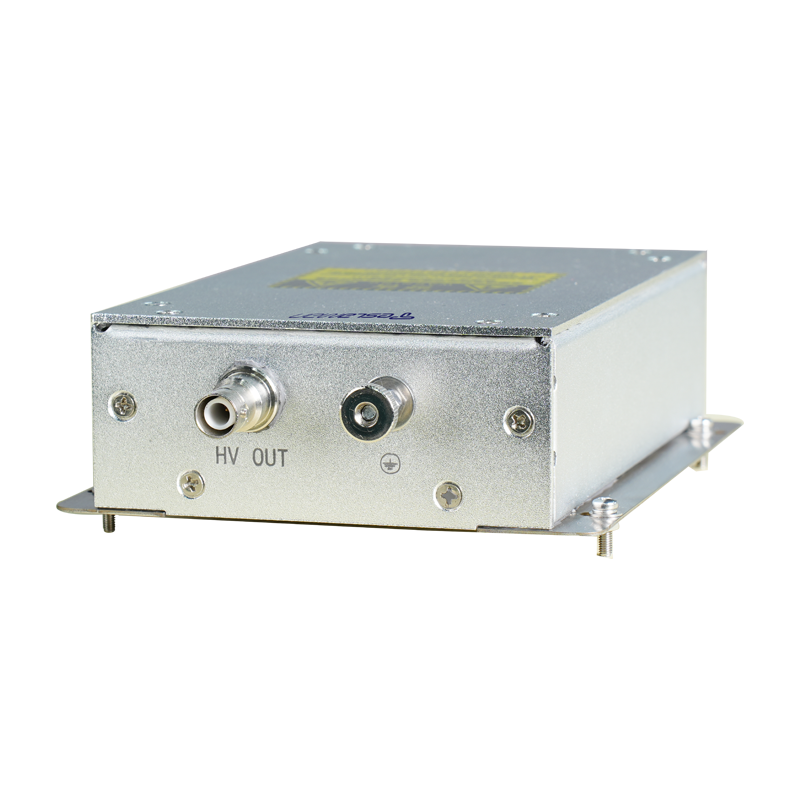
Miniaturization of the power supply components enables integration in compact formats. High voltage generation may use charge pump circuits that step up voltage from a lower supply using switched capacitors. The charge pump eliminates the need for bulky transformers, enabling compact implementation. Miniature high voltage modules provide packaged solutions for compact integration.
Thermal management in integrated designs addresses the heat generation from power supply operation and from electrophoresis. Joule heating from the electrophoresis current warms the buffer and the chip substrate. Power supply losses generate heat in the electronics. The thermal design must maintain temperatures that do not affect separation quality or component reliability.
Electrical isolation between the high voltage and other circuit elements ensures safety and prevents interference. The high voltage electrodes must be isolated from ground referenced circuits. The isolation may use floating power supplies, isolation transformers, or optical isolation for control signals. The isolation design must maintain safety while enabling necessary connections for control and monitoring.
Performance testing of integrated electrophoresis power supplies verifies the voltage and current characteristics. Voltage accuracy testing measures the actual output voltage versus the set value. Voltage stability testing measures the drift over time. Current measurement testing verifies the current monitoring accuracy. Transient response testing measures the voltage rise time and settling time.
Separation testing with standard analytes verifies the overall system performance. Standard mixtures with known analytes are separated, and the migration times and peak shapes are compared with expected values. The separation efficiency, resolution, and reproducibility characterize the electrophoresis performance. The testing validates that the integrated power supply supports effective separations.
Reliability testing verifies the integrated power supply durability. Extended operation testing runs the power supply for prolonged periods to detect any degradation or failure. Cycling testing exercises the voltage on and off repeatedly to verify switching reliability. Environmental testing subjects the integrated system to temperature, humidity, and vibration conditions expected in use. The testing demonstrates that the integration maintains reliability.