Emission Reduction Effect and Economy of High Voltage Electrostatic Power Supply for Industrial Boiler Flue Gas
Industrial boilers generate steam and heat for manufacturing processes, burning fuels that produce flue gas containing particulates, sulfur compounds, nitrogen compounds, and other pollutants. Environmental regulations limit the emissions from industrial boilers, requiring pollution control equipment. High voltage electrostatic precipitators remove particulates from boiler flue gas, achieving emission compliance. The emission reduction effectiveness and the economic costs determine the viability of electrostatic precipitation for boiler applications.
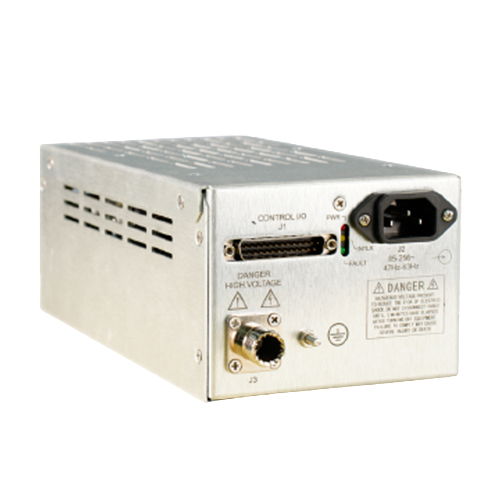
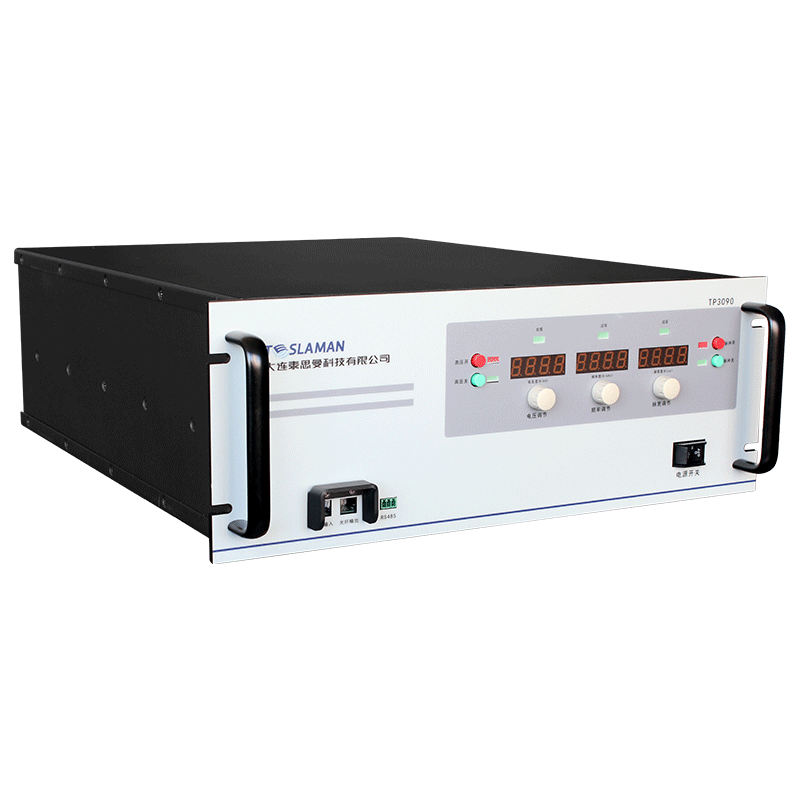
Electrostatic precipitators remove particulates by charging particles in a corona discharge and collecting them on electrode surfaces. The high voltage power supply provides the voltage for the discharge electrodes, creating the corona that charges particles. The charged particles migrate toward collection electrodes under the electric field force, depositing on the collector surface. Periodic cleaning removes the collected particulates from the collectors.
Particulate emission reduction effectiveness depends on the precipitator design and operation. The collection efficiency, the fraction of incoming particulates that are captured, determines the emission reduction. Higher efficiencies produce lower emissions. The efficiency depends on the particle size distribution, the gas conditions, the electric field strength, and the collection surface area.
Particle size affects the collection difficulty. Larger particles are easier to collect, as they have higher charge and lower migration velocity relative to their size. Smaller particles are harder to collect, requiring stronger fields or longer collection paths. The precipitator must achieve adequate collection across the particle size range present in boiler flue gas.
Gas conditions affect the precipitator performance. The gas temperature affects the gas viscosity and the particle mobility. Higher temperatures reduce viscosity, potentially improving collection. The gas humidity affects the particle resistivity and the corona characteristics. The gas flow rate affects the residence time in the precipitator, with higher flow rates reducing collection time.
High voltage power supply parameters affect the collection efficiency. Higher voltages produce stronger corona and higher particle charging, improving collection. However, excessive voltage can cause sparking that disrupts collection. The voltage must be optimized for the specific precipitator and gas conditions. The power supply must maintain stable voltage despite variations in gas conditions.
Emission compliance requires achieving emission levels below regulatory limits. The limits specify maximum particulate concentration in the flue gas or maximum mass emission rate. The precipitator must achieve collection efficiency sufficient to reduce the inlet particulate concentration below the limit. Compliance monitoring verifies that emissions remain within limits.
Economic analysis considers the costs of electrostatic precipitation including capital costs, operating costs, and maintenance costs. Capital costs include the precipitator equipment, installation, and initial setup. Operating costs include electricity for the high voltage supply and auxiliary systems. Maintenance costs include cleaning, repairs, and component replacement. The total cost determines the economic burden of emission control.
Electricity cost for the high voltage supply depends on the power consumption and the electricity price. The power consumption equals the product of the voltage and the corona current. Higher power improves collection but increases electricity cost. The power optimization must balance collection efficiency against electricity cost. Energy saving modes can reduce power consumption during low load periods.
Capital cost comparison with alternative particulate control technologies evaluates the economic competitiveness. Fabric filters offer alternative particulate control with different cost and performance characteristics. Cyclones offer lower cost but lower efficiency control. Wet scrubbers offer combined particulate and gas control. The technology selection considers the specific application requirements and the cost comparison.
Operating cost comparison includes electricity, maintenance, and any consumables. Electrostatic precipitators have lower maintenance requirements than fabric filters, which require bag replacement. Electrostatic precipitators have higher electricity consumption than fabric filters, which have lower pressure drop. The operating cost comparison must account for all cost elements over the equipment lifetime.
Cost effectiveness analysis relates the emission reduction to the cost. The cost per unit of emission reduction measures the economic efficiency of the control. Lower cost per unit reduction indicates more cost effective control. The analysis enables comparison between different control options and optimization of control investment.
Regulatory compliance cost includes the emission control cost and any penalties for noncompliance. The control cost must be weighed against the penalty cost for exceeding emission limits. The compliance strategy must achieve adequate control to avoid penalties while minimizing control cost. The regulatory environment affects the compliance economics through the penalty structure and the enforcement.
Long term economic trends affect the viability of electrostatic precipitation. Electricity price trends affect the operating cost. Regulatory trends may tighten emission limits, requiring enhanced control. Technology developments may improve precipitator performance or reduce costs. The long term planning must anticipate trends that affect the economic outlook.