Milliampere Second Linearity and Image Gray Scale Calibration of High Voltage Power Supply for Industrial DR Imaging
Industrial digital radiography imaging uses X-rays to inspect objects for internal defects and structures. The X-ray intensity, measured in milliampere seconds, determines the image exposure. The high voltage power supply for the X-ray tube controls the X-ray intensity and energy. Linearity between the power supply settings and the X-ray output ensures accurate exposure control. Image gray scale calibration relates the exposure to the image appearance for accurate interpretation.
Digital radiography replaces film radiography with digital detectors that capture X-ray images electronically. The detectors convert X-ray intensity to digital signals that form the image. The digital format enables image processing, storage, and transmission. Industrial DR applications include weld inspection, casting inspection, and assembly verification.
The X-ray tube generates X-rays by accelerating electrons toward a target. The electron energy, determined by the tube voltage, determines the X-ray energy spectrum. The electron current, determined by the tube current, determines the X-ray intensity. The exposure time combined with the current determines the milliampere seconds, the total X-ray fluence.
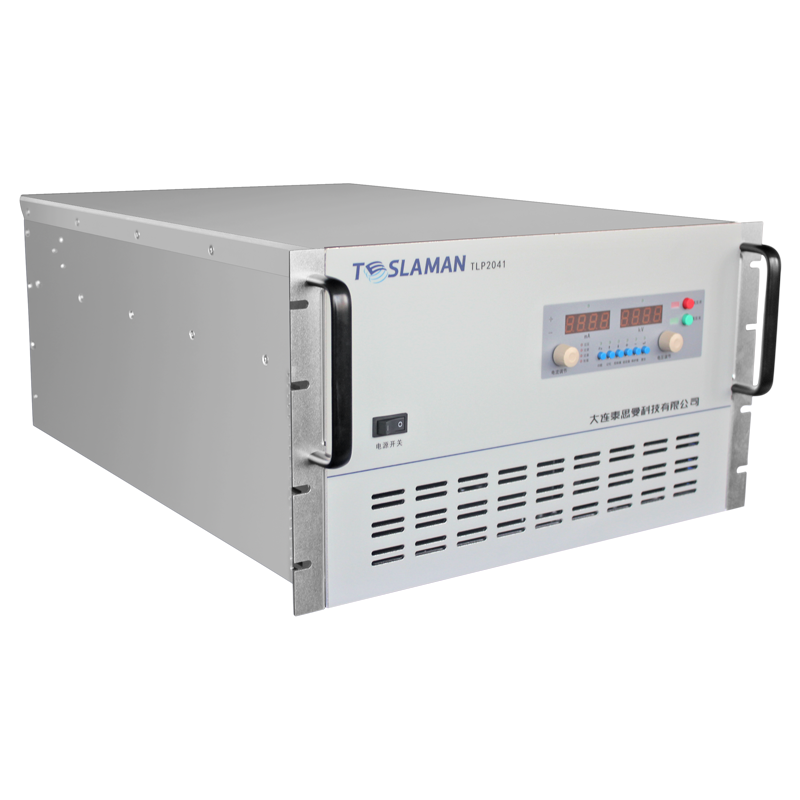
The high voltage power supply provides the tube voltage and may also control the tube current. The voltage supply must be stable and precise for consistent X-ray energy. The current control must be linear for accurate milliampere second setting. The power supply characteristics affect the imaging performance.
Milliampere second linearity ensures that the actual X-ray fluence matches the set value. The linearity requires that the tube current is proportional to the setting, and that the exposure timing is accurate. Nonlinearity causes exposure errors that affect the image quality. The linearity must be verified and maintained through calibration.
Current linearity depends on the filament heating and the electron emission. The tube current is controlled by the filament temperature, which is controlled by the filament current. The relationship between filament current and tube current must be linear for accurate setting. The linearity may vary with tube age and condition.
Exposure timing accuracy ensures that the actual exposure time matches the set time. The timing controls the duration of X-ray generation. Timing errors cause milliampere second errors. The timing must be precise and consistent for accurate exposure.
Voltage accuracy affects the X-ray energy and the penetration. The voltage determines the maximum X-ray energy. Higher voltages produce higher energy X-rays that penetrate thicker or denser materials. The voltage must be accurate for consistent penetration and contrast.
Image gray scale relates the X-ray exposure to the image pixel values. The gray scale depends on the detector response and the image processing. The gray scale must be calibrated to enable accurate interpretation. The calibration relates pixel values to material thickness or density.
Detector response calibration characterizes the relationship between X-ray intensity and pixel value. The detector converts X-ray intensity to electrical signals that are digitized to pixel values. The response may be linear or nonlinear depending on the detector type. The calibration determines the response function.
Gray scale calibration uses known test objects to establish the relationship. Step wedges with known thickness steps provide known X-ray attenuation. Imaging the wedge produces pixel values for each thickness. The calibration relates thickness to pixel value, enabling thickness measurement from images.
Exposure calibration determines the optimal milliampere second settings for different applications. Different materials and thicknesses require different exposures for adequate image quality. The calibration establishes the settings that produce appropriate gray scale ranges for each application.
Automatic exposure control adjusts the milliampere seconds based on the object characteristics. The control measures the X-ray transmission during exposure and adjusts the exposure time to achieve the target gray scale. The automatic control enables consistent image quality without manual setting.
Quality assurance verifies the linearity and calibration through regular testing. Linearity tests measure the actual milliampere seconds versus the set values. Gray scale tests image calibration objects and verify the pixel value relationships. The testing confirms that the system maintains accurate performance.
Correction algorithms compensate for any nonlinearity or calibration drift. The algorithms adjust the settings or the image values to achieve accurate results. The correction enables accurate performance even if the raw characteristics have deviations. The correction parameters must be updated through calibration.