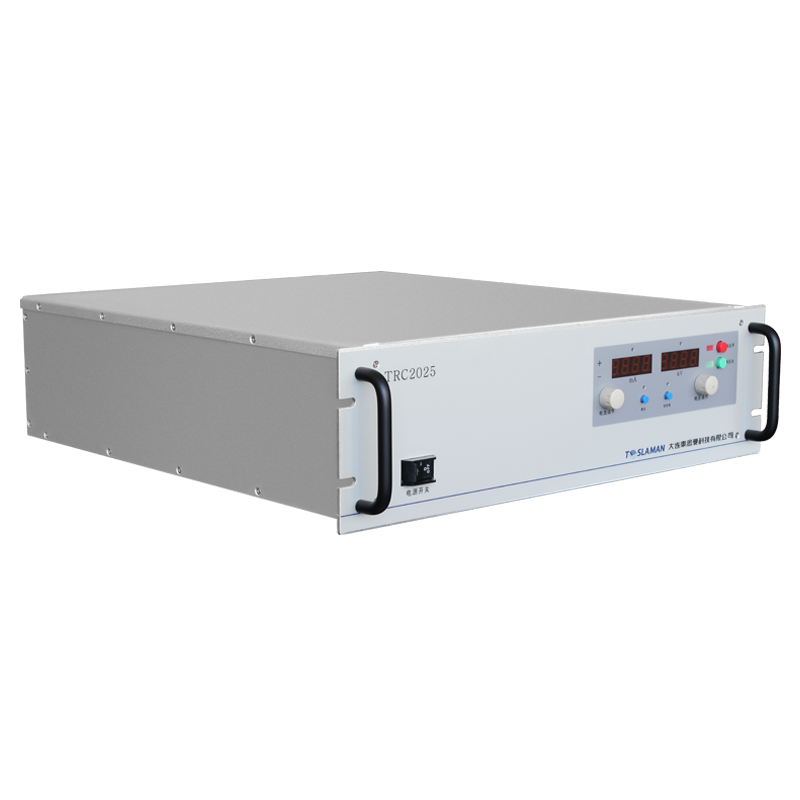
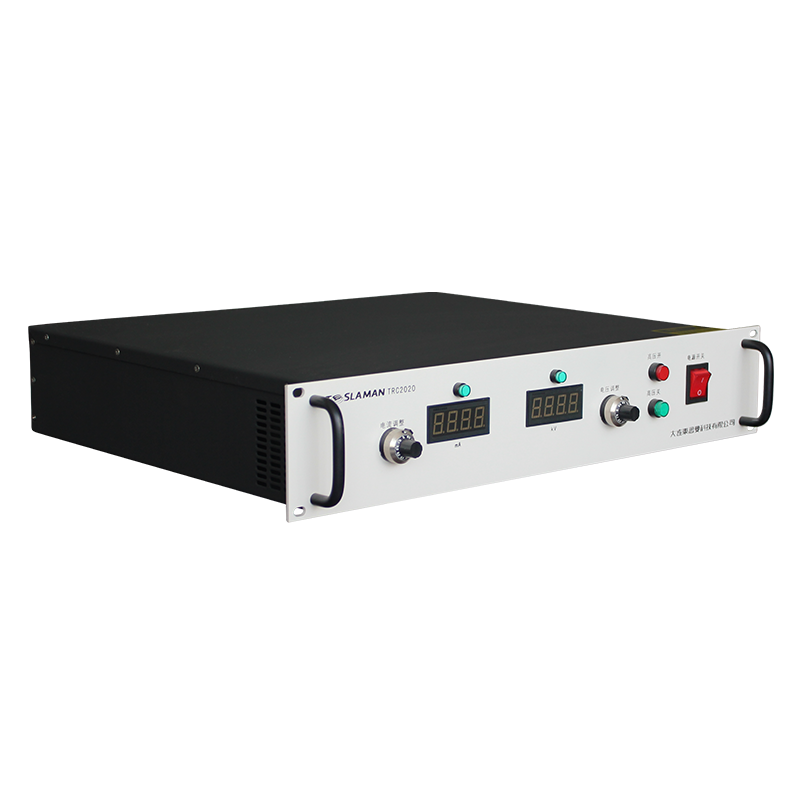
225kV Power Frequency Resonant High Voltage Power Supply for Transformer Interturn Insulation Defect Location
Transformer interturn insulation defects cause short circuits between winding turns that can lead to transformer failure. Detecting and locating these defects enables repair before failure occurs. Power frequency resonant high voltage testing applies elevated voltage at power frequency to stress the insulation and reveal defects. The 225kV resonant power supply provides the test voltage for defect detection and location.
Transformer windings consist of multiple turns of conductor insulated from each other and from the core. The interturn insulation prevents short circuits between adjacent turns. Defects in the insulation, including degradation, damage, and contamination, can reduce the insulation effectiveness. Short circuits between turns cause circulating currents that overheat the winding and can cause catastrophic failure.
Interturn insulation testing applies voltage between turns to stress the insulation and detect defects. The test voltage must be sufficient to reveal defects that would not be detected at normal operating voltage. The test must not cause damage to healthy insulation. The test voltage level and duration must be appropriate for the insulation type and condition.
Power frequency testing uses voltage at the normal operating frequency, typically 50 or 60 hertz. Power frequency testing stresses the insulation similarly to normal operation, revealing defects that affect normal operation. The testing can detect defects that might not appear at other frequencies. The power frequency approach is relevant for insulation that operates at power frequency.
Resonant high voltage generation uses resonant circuits to produce high voltage efficiently. The resonant circuit includes an inductor and a capacitor that resonate at the target frequency. At resonance, the impedance is minimized, enabling high current flow with limited source power. The resonant voltage multiplication produces high voltage from a lower voltage source.
The 225kV resonant power supply provides the test voltage for transformer testing. The voltage level is appropriate for medium and high voltage transformers. The resonant design enables efficient generation of the high voltage. The power supply must provide stable, controlled voltage for testing.
Voltage control for resonant testing adjusts the source voltage to control the output voltage. The resonant circuit amplifies the source voltage by the resonant gain. Adjusting the source voltage adjusts the output voltage proportionally. The control must be precise for accurate test voltage setting.
Frequency tuning maintains resonance at the target frequency. The resonant frequency depends on the inductance and capacitance values. The tuning adjusts the inductance or capacitance to achieve resonance. The tuning must be precise for maximum resonant gain.
Load effects on resonance occur when the test object capacitance affects the resonant circuit. The transformer winding capacitance adds to the resonant circuit capacitance, changing the resonant frequency. The tuning must account for the load capacitance to maintain resonance. The load effects must be considered in the test setup.
Defect detection during testing monitors the test object response. Current measurement detects increased current that indicates insulation breakdown. Partial discharge measurement detects discharge activity that indicates insulation degradation. The detection methods reveal defects during the test.
Defect location identifies the position of detected defects within the winding. The location can use multiple measurements at different winding positions. Comparing measurements at different positions reveals the defect location. The location enables targeted repair of the defective region.
Partial discharge location uses the discharge signals to identify the defect position. The discharge pulses propagate through the winding with time delays that depend on the propagation path. Measuring the arrival times at multiple sensors enables location calculation. The partial discharge location identifies the defective turn or region.
Time domain reflectometry can locate defects by analyzing the winding response to voltage transients. The transient propagates through the winding, reflecting from impedance discontinuities including defects. Analyzing the reflections reveals the discontinuity positions. The reflectometry provides defect location information.
Test safety considerations protect personnel and equipment from high voltage hazards. The test area must be secured to prevent accidental contact with high voltage. The test equipment must have safety interlocks that prevent operation with unsafe conditions. The safety procedures must ensure safe testing operation.
Test documentation records the test parameters, the measurements, and the conclusions. The documentation provides evidence of the test performance and the insulation condition. The documentation supports maintenance decisions and regulatory compliance. The documentation must be complete and accurate.