Operation Characteristics and Energy Saving Analysis of High Frequency High Voltage Power Supply for Cement Plant Kiln Tail Electrostatic Precipitator
Electrostatic precipitators have long served as the primary particulate matter control technology in cement manufacturing facilities, where dust emissions from kiln operations must be controlled to meet environmental regulations and protect worker health. The kiln tail section represents one of the most challenging dust collection points in cement plants, characterized by high temperature gas streams, large dust loads, and varying process conditions. High frequency high voltage power supplies have emerged as a significant advancement over traditional line-frequency power supplies, offering improved collection efficiency, reduced energy consumption, and enhanced process adaptability.
The fundamental operation of an electrostatic precipitator involves applying high voltage to discharge electrodes that generate corona discharge, ionizing the gas and charging the dust particles. The charged particles migrate toward collection electrodes under the influence of the electric field, depositing on the electrode surfaces where they are periodically removed through rapping or other cleaning mechanisms. The collection efficiency depends on the particle charging characteristics, the electric field strength, and the particle residence time in the collection zone.
Traditional line-frequency power supplies operate at the mains frequency, typically fifty or sixty hertz, generating high voltage through transformer-rectifier units. These supplies produce relatively low ripple frequency and have limited ability to respond rapidly to changing process conditions. The voltage control typically involves manual adjustment or simple automatic voltage control systems that respond to spark events by reducing voltage and gradually ramping back up.
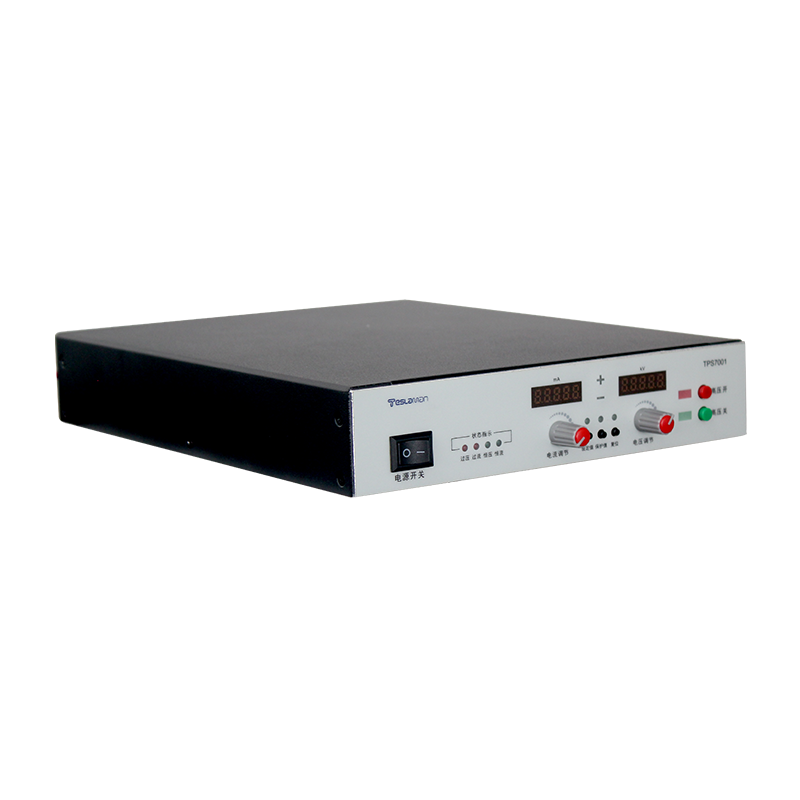
High frequency power supplies operate at frequencies typically ranging from several kilohertz to tens of kilohertz, offering fundamentally different characteristics. The higher frequency enables smaller transformer designs through reduced magnetic core size requirements. The ripple frequency is higher, potentially affecting particle charging dynamics differently than line-frequency supplies. The rapid switching capability enables sophisticated control algorithms that can respond to process changes in milliseconds rather than seconds.
The energy saving potential of high frequency power supplies stems from multiple mechanisms. The improved collection efficiency at equivalent power input reduces the total energy required to achieve target emission levels. The rapid response capability enables operation closer to the optimal voltage without excessive sparking, maximizing useful power delivery. The reduced transformer size and improved power conversion efficiency reduce losses in the power supply itself. The sophisticated control algorithms minimize energy waste during spark events and process upsets.
Collection efficiency improvements with high frequency power supplies arise from enhanced particle charging dynamics. The higher ripple frequency may provide more consistent charging conditions throughout the precipitator volume. The ability to maintain higher average voltage without excessive sparking increases the electric field strength and particle migration velocity. The rapid voltage recovery after spark events minimizes the collection efficiency loss during these transient periods.
Spark management represents a critical aspect of electrostatic precipitator operation, as sparking between electrodes causes voltage collapse and temporary loss of collection capability. High frequency power supplies can detect spark initiation more rapidly and respond with faster voltage reduction, limiting the energy dissipated in the spark and the damage to electrodes. The rapid recovery after spark suppression enables quicker return to effective collection conditions.
The control algorithms for high frequency power supplies can implement sophisticated strategies that optimize performance across varying conditions. Automatic voltage control systems continuously adjust the voltage to maximize collection while avoiding excessive sparking. Current limiting functions prevent excessive power delivery during high dust load conditions. Ramp rate control manages voltage changes to prevent process upset. These algorithms can be tuned for specific precipitator characteristics and process requirements.
Process condition variations in cement plant kiln tail operations create challenging environments for electrostatic precipitator power supplies. Gas temperature variations affect gas properties and particle behavior. Dust load variations occur with changes in kiln operation, raw material characteristics, and process upsets. Gas composition changes occur with variations in fuel type and combustion conditions. The power supply must adapt to these variations while maintaining effective collection.
Temperature effects on precipitator operation influence the optimal power supply settings. Higher gas temperatures reduce gas density, affecting corona characteristics and sparking propensity. Temperature variations affect particle resistivity, influencing collection and cleaning characteristics. The power supply control must account for temperature effects to maintain optimal performance across the operating temperature range.
Dust resistivity significantly affects electrostatic precipitator performance and optimal power supply operation. High resistivity dust can cause back corona phenomena where charge accumulates on the collected dust layer and creates reverse electric fields that degrade collection efficiency. Low resistivity dust can cause rapid charge loss from collected particles, reducing adhesion and causing re-entrainment. The power supply voltage and current characteristics must be optimized for the specific dust resistivity range.
Energy consumption analysis for high frequency versus traditional power supplies requires consideration of multiple factors. The direct power consumption comparison measures the electrical energy consumed by each supply type at equivalent collection performance. The indirect energy effects consider the impact on process efficiency, such as reduced pressure drop or improved heat recovery. The maintenance and reliability effects consider the long-term energy implications of equipment reliability and maintenance requirements.
Power quality considerations for high frequency power supplies include the impact on plant electrical systems. The switching frequency generates harmonic currents that may affect power quality if not properly filtered. The rapid load variations during spark events can cause voltage fluctuations in the plant distribution system. The power supply design must include appropriate filtering and power quality management features.
Integration with plant control systems enables coordinated operation of the precipitator with kiln processes. Process signals indicating kiln conditions can inform precipitator control adjustments. Emission monitoring data can feedback to power supply optimization. Coordination enables proactive response to process changes rather than reactive adjustment after emission changes occur.
Reliability considerations for high frequency power supplies in cement plant environments must address the harsh operating conditions. High ambient temperatures challenge power supply thermal management. Dust contamination can affect electronic components if not properly protected. Vibration from plant equipment can stress components and connections. The power supply design must incorporate appropriate environmental protection and component selection for reliable operation.
Maintenance requirements for high frequency power supplies differ from traditional supplies due to the different component technologies. Electronic switching components may have different failure modes and maintenance requirements than mechanical components in traditional supplies. The sophisticated control systems may require specialized diagnostic capabilities. Maintenance planning must account for these differences to ensure continued reliable operation.
Economic analysis of high frequency power supply installation considers both capital costs and operating cost savings. The capital cost comparison includes equipment purchase, installation, and any required plant modifications. The operating cost savings include energy consumption reduction, maintenance cost changes, and potential process efficiency improvements. The return on investment calculation determines the economic viability of the technology upgrade.
Environmental benefits beyond energy savings include improved emission control and reduced environmental impact. Better collection efficiency reduces particulate emissions, improving air quality and environmental compliance. Reduced energy consumption lowers the carbon footprint of cement production. These environmental benefits may have regulatory or social value beyond direct economic benefits.
Continued advancement in high frequency power supply technology drives ongoing improvement in cement plant electrostatic precipitator performance. Higher switching frequencies enable further size reduction and efficiency improvement. Advanced control algorithms provide more sophisticated optimization. Integration with digital monitoring and analytics enables predictive maintenance and performance optimization. These developments continue to advance the capabilities of electrostatic precipitator systems in cement manufacturing applications.